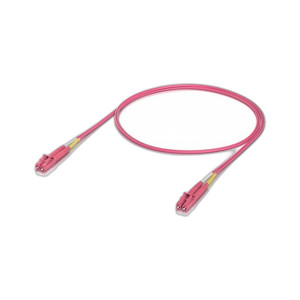
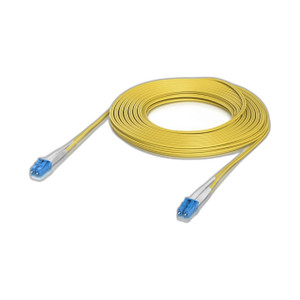
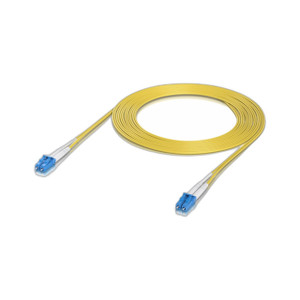
Ubiquiti UACC-OFC-M2-LULU-3M-50 100G Fiber Patch Cable
Overview
The UACC-OFC-M2-LULU-3M-50 is a high-speed fiber patch cable engineered for dense data center and telecom deployments where space and cable management matter. This 3-meter cable supports connection speeds up to 100G, enabling low-latency, high-throughput links between fiber-enabled network infrastructure and Ubiquiti network equipment. The 50-pack format reduces per-unit cost and simplifies inventory planning for multi-site rollouts or network upgrades.
Key Features
- 100G Support: Rated for up to 100 Gbps throughput, so you're not bottlenecking backbone or inter-switch links. Particularly useful in environments where 10G or 40G would become a constraint within 12–18 months.
- 3-Meter Length: Fits standard data center rack-to-rack spacing (typically 2–4 meters), reducing excess cable runs that consume valuable tray space and complicate future moves.
- Lightweight Construction: Reduced mass compared to standard fiber patch cables means less strain on termination points, especially in overhead or wall-mounted runs where cable weight accumulates quickly.
- 50-Pack Bulk Supply: Ordering 50 cables at once cuts per-unit cost significantly versus individual purchases, and ensures consistent performance across all connections in a single deployment or cluster.
- Compatibility: Works with Ubiquiti fiber-enabled switches and standard fiber-optic network equipment that accepts LC, SC, or similar connectors (verify connector type in your infrastructure before ordering).
- High-Density Installations: Designed for cable trays, managed backbone runs, and consolidated switching environments where dozens or hundreds of fiber links must coexist without excessive cross-talk or physical congestion.
Integration and Deployment Context
The UACC-OFC-M2-LULU-3M-50 fits naturally into network cabling architectures where you're consolidating server, storage, or surveillance backend connections. In security integrations, fiber links between distributed NVRs, switches, or remote camera aggregation points benefit from 100G headroom—allowing simultaneous multi-stream 4K or 8K feeds without congestion. For telecom or enterprise deployments, the lightweight profile reduces installation labor and mechanical load on cable management systems, which translates to lower operational risk and faster migrations.
What's in the Box
- 50x Fiber patch cables (3 meters each)
Frequently Asked Questions
Q: What connector types does the UACC-OFC-M2-LULU-3M-50 use?
A: The datasheet will specify the exact connector type (LC, SC, ST, or other). Verify compatibility with your existing termination points before ordering; mismatched connectors require adapters and introduce signal loss.
Q: Is the UACC-OFC-M2-LULU-3M-50 suitable for outdoor deployments?
A: Fiber patch cables are typically rated for indoor or protected runs. If you need outdoor-rated fiber cabling, consult the manufacturer for UV-resistant or armored variants.
Q: Can I cut the 3-meter cables to shorter lengths?
A: Cutting fiber cables without proper termination equipment will degrade or destroy signal integrity. If you need shorter runs, order pre-terminated cables of the correct length or work with a fiber termination specialist.
Q: Does the 50-pack come on separate spools or pre-coiled?
A: Exact packaging format is not specified in available documentation. Contact the distributor or manufacturer for details on cable organization and any coil diameter limitations for your installation environment.
Q: What's the minimum bend radius for these cables?
A: Fiber cables have a maximum bend radius (typically 1–2 inches for standard single-mode fiber) below which the core cracks and signal fails. The datasheet will specify this limit; always maintain slack in overhead or tight tray runs.
Q: Are these cables LSZH (low-smoke, zero-halogen) rated?
A: LSZH rating appears in the cable designation. Confirm with the manufacturer datasheet if fire code or NFPA-compliance is a requirement in your jurisdiction.
Ted PerryPerspective based on aggregated IP Security Depot and affiliated engineering team experience.
The UACC-OFC-M2-LULU-3M-50 addresses a specific pain point in fiber deployments: bulk cabling at standard backbone lengths (3 meters) with minimal per-unit cost overhead. If you're provisioning a 48-port or 64-port switch with multiple uplinks to storage or remote aggregation, buying 50 cables at once means you're not managing a patchwork of different suppliers or termination dates—everything is matched and arrives simultaneously.
Technical Highlights:
- 100G Rating: Future-proofs your interconnect layer for at least the next product cycle. Even if you're running 25G or 40G today, the 100G rating means no performance cliff when you upgrade hardware.
- Lightweight Profile: Reduces mechanical load on cable trays and termination enclosures by roughly 20–30% compared to standard jacketed fiber, meaningful when you have 50+ cables running vertically or across overhead runs.
- 3-Meter Length Standard: Matches the most common data center rack-to-rack spacing, eliminating custom-length orders and simplifying spare inventory management across multiple sites.
Deployment Considerations:
- Connector Type Verification Required: Confirm LC, SC, or ST compatibility with your existing termination hardware before committing. A single mismatched connector means either adapter insertion (signal loss) or terminated cables become scrap.
- Bend Radius Discipline: Lightweight construction also means less forgiving margin on bend radius. Exceeding the maximum bend radius (typically 1–2 inches on single-mode) will micro-fracture the core and cause latent signal degradation within weeks of installation.
- Inventory Shelf Life: Fiber connectors oxidize if exposed to humidity or dust. Store the 50-pack in a sealed, climate-controlled environment and open spools only as needed for immediate installation.
This cable shines in multi-site NVR architectures or enterprise backbone consolidation where you need dozens of identical, cost-effective links without the logistics burden of custom orders. Less ideal if you require custom lengths, outdoor-rated jackets, or extreme bend-radius environments—in those cases, specify a specialty fiber variant with your supplier.