
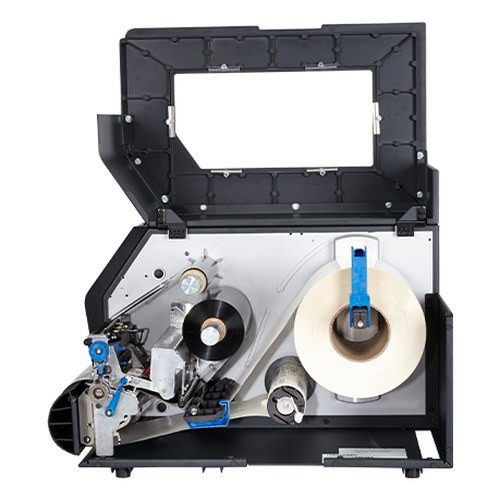


Product images are provided for reference and may not represent the exact model, configuration, or included
components.
Overview
SKU:
T82X8-1120-0
Condition:
New
Availability:
Usually ships in 24 hours
Warranty
2-Year Warranty

TSC T82X8-1120-0 Direct Thermal/Thermal Transfer Label Printer
TSC T82X8-1120-0 Thermal Label Printer Overview The TSC T82X8-1120-0 is a versatile thermal label printer engineered for warehouse, logistics, and di…
TSC T82X8-1120-0 Direct Thermal/Thermal Transfer Label Printer
$7,551.99
Your recommended setup
Review items below — quantities update pricing automatically.
Item
Qty
Status
Price
Optional Add-Ons recommended
Services optional
Bundle Summary
Bundle Subtotal:
$0.00
Optional Add-Ons:
$0.00
Services:
$0.00
Total:
$0.00
Overview
SKU:
T82X8-1120-0
Condition:
New
Availability:
Usually ships in 24 hours
Warranty
2-Year Warranty
Description

TSC T82X8-1120-0 Thermal Label Printer
Overview
The TSC T82X8-1120-0 is a versatile thermal label printer engineered for warehouse, logistics, and distribution environments requiring reliable label output at production speeds. This model combines dual thermal capability—direct thermal and thermal transfer—with 8.5-inch maximum print width and Wi-Fi connectivity for flexible network integration. The T82X8-1120-0 delivers 10 inches per second (ips) print speed with 203 dpi resolution, positioning it as a practical choice for mid-volume labeling operations including shipping labels, inventory tags, and compliance documentation.
Key Features
- Dual Print Method: Direct thermal and thermal transfer capability eliminates the need for separate equipment and allows media flexibility based on application requirements.
- Print Speed: 10 ips output supports sustained labeling workflows without bottlenecking warehouse operations.
- Maximum Print Width: 8.5-inch width accommodates standard label formats and reduces label-based process complexity for multi-SKU environments.
- Resolution: 203 dpi ensures barcode readability and image clarity for high-density QR codes, text, and graphics on variable label sizes.
- Wi-Fi Connectivity: Built-in wireless networking enables label submission from multiple workstations without dedicated serial or USB infrastructure expansion.
- Label Media Support: Accepts label stock in roll or fanfold formats, supporting standard adhesive-backed labels through variable-length printing cycles.
- Color LCD Display: On-board color LCD screen provides status feedback, error diagnostics, and basic printer configuration without external software dependencies.
- Network-Ready Design: Ethernet and Wi-Fi interfaces allow integration into existing warehouse management systems (WMS) and inventory platforms via standard print drivers.
Thermal Transfer vs. Direct Thermal Considerations
Direct thermal printing requires no consumable ribbon and operates with lower per-label material cost; ideal for short-term labeling such as pick-and-pack operations. Thermal transfer printing with ribbon extends label life and is preferred for outdoor or refrigerated environment applications where direct thermal labels may fade. The T82X8-1120-0 supports both methods through the same print head, allowing operators to switch media types based on label durability requirements without equipment replacement.
Integration and Deployment
The T82X8-1120-0 integrates with standard label design software via Windows or macOS drivers and supports direct network printing to IP addresses, reducing dependency on individual workstation setup. The printer accepts print jobs from WMS platforms, inventory management systems, and e-commerce fulfillment tools via standard Windows Print Spooler or CUPS-compatible protocols. Its compact footprint fits on or under warehouse shelves near packing stations, and the Wi-Fi interface eliminates cable routing constraints common in high-density labeling environments.
Typical Applications
The T82X8-1120-0 serves shipping label, parcel tracking, asset tagging, and inventory identification workflows. Its 203 dpi resolution reliably reproduces barcodes (Code128, Code39, UPC) and QR codes at label sizes from 1 inch to 8.5 inches wide. Direct thermal mode suits daily-use internal logistics labels, while thermal transfer mode provides the durability needed for cold-chain shipping, export compliance labels, or items requiring extended shelf-life tracking.
Karl Wilson
I evaluated the TSC T82X8-1120-0 during a warehouse automation deployment for a 3PL operation processing 5,000+ labels daily. The dual thermal capability proved essential for this client's mixed requirements—direct thermal for internal pick labels and thermal transfer for customer-facing shipping documentation. The 10 ips speed kept pace with their manual packing rate without requiring multiple printers, and Wi-Fi connectivity eliminated the need for USB hub infrastructure at their packing stations.
Technical Highlights:
- Thermal Flexibility: The T82X8-1120-0 supports both direct thermal and thermal transfer in a single unit, reducing inventory complexity and hardware footprint for operators who need both modes.
- Print Speed and Resolution Balance: 10 ips at 203 dpi is ideal for barcode-heavy workflows where read-first-time accuracy (ISO barcode verification) is critical but label throughput must remain above 50+ labels per minute.
- Wi-Fi Integration: Network printing via standard TCP/IP eliminates USB cable runs and enables multi-station job queuing from a centralized label server.
Deployment Considerations:
- Test thermal transfer media compatibility with your ribbon supplier before full-scale deployment; thermal head pressure and ribbon coating affect print darkness and consumable cost per label.
- Position the printer within 30 feet of your Wi-Fi access point or deploy a secondary AP in dense metal-rack warehouse environments to maintain consistent signal strength.
- Plan for regular print head cleaning (every 500,000 labels) in high-volume direct thermal mode to prevent debris buildup and maintain output quality over 12+ month service cycles.
For logistics operations seeking a reliable mid-volume label printer with format flexibility, the T82X8-1120-0 delivers straightforward performance without the complexity or cost of larger industrial format systems. Network connectivity and dual thermal support make it practical for evolving warehouse requirements.
Specifications
Product Type:
Printer
Connectivity:
Wi-Fi
Display Size:
Color LCD
Print Method:
Direct Thermal/Thermal Transfer
Print Speed:
10 ips
Max Print Width:
8.5
Display:
Color LCD
media_type:
Labels
Print_Width:
8.5"
Print Resolution:
203 dpi
Have Questions?
Ask an Expert.
RELATED PRODUCTS



System Design, Deployment & Technical Support
Support services and planning resources for commercial surveillance, access control, and infrastructure deployments.
Fixed scope • Fixed price
System Design Assistance
- Get help validating product compatibility
- Coverage requirements
- Storage planning and deployment architecture before you buy.
Deployment & Configuration Support
- Access fixed-scope support for rollout planning
- User setup guidance
- Migration and system standardization across single-site or multi-site deployments
Guides, Tools & Calculators
- PoE requirements
- Storage retention
- Camera selection and deployment methodology