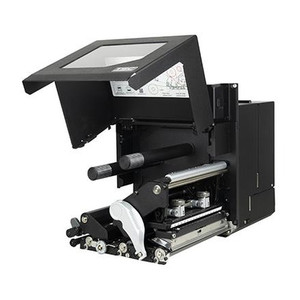
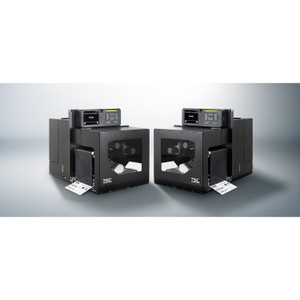
TSC RFID-PEX-2240R-0001 4-Inch RFID Thermal Transfer Printer
Overview
The TSC RFID-PEX-2240R-0001 is a specialized 4-inch RFID-enabled thermal transfer printer designed for organizations requiring integrated radio frequency identification capabilities in label and tag production. This right-hand configuration unit delivers 203 dpi print resolution with thermal transfer printing technology, making it suitable for applications demanding durable, high-contrast output on synthetic and specialty media. The RFID-PEX-2240R-0001 combines compact form factor with enterprise connectivity through Wi-Fi networking, enabling seamless integration into distributed printing environments across warehousing, logistics, and manufacturing operations.
Key Features
- Print Method: Thermal transfer technology ensures crisp, long-lasting impressions on labels and tags without fading
- Print Resolution: 203 dpi output delivers clear barcodes, QR codes, and text suitable for standard scanning and human readability
- RFID Integration: Built-in RFID assembly enables simultaneous printing and encoding of RFID tags and labels in single-pass operation
- Print Width: 4-inch native print width optimized for standard label and tag formats
- Media Compatibility: Supports labels and tags across paper, synthetic, and specialty substrates
- Right-Hand Configuration: RH orientation streamlines media path and label output for efficient operator access
- Wi-Fi Connectivity: Wireless network integration eliminates dependency on USB or serial connections, supporting mobile device and cloud-based job submission
- Compact Design: Optimized footprint for counter-space constrained environments including retail, healthcare, and logistics hubs
Integration & Compatibility
The RFID-PEX-2240R-0001 operates on Wi-Fi protocols, enabling direct network integration without physical cable management overhead. This connectivity model is particularly valuable for multi-location deployments where label templates and design updates require real-time synchronization. The thermal transfer method means operators must select appropriate ribbon media compatible with intended label substrates—a critical consideration when transitioning between synthetic and paper-based applications.
The RFID assembly component requires proper encoder configuration during deployment planning; organizations managing large-scale RFID implementations should validate that RFID-PEX-2240R-0001 encoding profiles align with existing tag memory structures and antenna tuning parameters. The 4-inch constraint defines maximum label width, which directly impacts template design for multi-line barcodes, product images, and regulatory text in pharmaceutical, food safety, and compliance-heavy verticals.
Recommended Use Cases
The TSC RFID-PEX-2240R-0001 serves high-volume environments requiring dual-function printing and encoding: inventory management systems that track physical product movement with synchronized RFID data, pharmaceutical distribution networks combining human-readable lot and serial information with machine-readable tags, and asset lifecycle management where labels and tags serve both identification and anti-counterfeiting functions. Organizations deploying this unit should plan for thermal transfer supply chain management, including ribbon inventory aligned with label substrate selections.
Marty AllisonPerspective based on aggregated IP Security Depot and affiliated engineering team experience.
In evaluating the RFID-PEX-2240R-0001 for enterprise deployment, the combination of thermal transfer printing with integrated RFID encoding addresses a specific operational requirement: organizations that cannot justify separate printing and encoding stations. The 203 dpi resolution is adequate for standard GS1 barcodes and RFID label compliance, and the Wi-Fi interface substantially reduces installation complexity in multi-site rollouts.
Technical Highlights:
- Thermal Transfer Durability: Ribbon-based printing produces labels and tags resistant to moisture, temperature extremes, and chemical exposure—critical in warehouse and outdoor asset tracking scenarios
- RFID Assembly Integration: Right-hand (RH) configuration with embedded RFID encoder eliminates separate tag programming steps, compressing label cycle time in high-throughput environments
- 203 dpi Resolution: Sufficient for density requirements in retail, healthcare, and logistics applications; verify barcode scaling requirements before deployment
- Wi-Fi Connectivity: Network printing eliminates device-specific driver overhead and enables centralized job queue management across distributed facilities
Deployment Considerations:
- Thermal transfer requires ongoing ribbon supply management; establish vendor relationships and inventory protocols to prevent production stoppages
- RFID encoding profiles must align with your organization's tag specifications and reader infrastructure—validate encoder compatibility during pilot phase
- 4-inch width constraint means label templates cannot exceed this dimension; conduct comprehensive template audit before migration from wider-format devices
- Wi-Fi deployment requires network segmentation and security policy review, particularly in pharmaceutical and healthcare environments subject to regulatory oversight
The RFID-PEX-2240R-0001 is well-suited for operations prioritizing compact footprint and integrated encoding capability. Plan for dedicated thermal transfer media management and confirm RFID encoder specifications align with your existing tag and reader ecosystem before full-scale deployment.