PioneerPOS T3-E144A5-A6 4GB/64GB Windows 10 WiFi POS Terminal
The PioneerPOS T3-E144A5-A6 is a compact point-of-sale terminal designed for retail, food service, and hospitality environments where space and flexibility matter. Built on Windows 10 with 4GB RAM and 64GB internal storage, this device balances processing power with physical footprint — ideal for counter-mounted or mobile cart deployments. Integrated Wi-Fi and Bluetooth connectivity eliminate dependence on fixed network drops, while onboard magnetic stripe reader (MSR) and barcode imager handle payment and product identification without external peripherals.
Key Features
- Windows 10 Operating System: Native support for mainstream POS software (Square, Toast, Lightspeed, Clover, custom Windows apps). No virtualization overhead; direct hardware access for peripherals.
- 4GB RAM / 64GB Storage: Sufficient for typical single-register operation with local transaction logging. Supports mid-sized transaction queues during network interruptions; storage adequate for 30–90 days of offline transaction history depending on volume.
- Wi-Fi Connectivity: 802.11ac capable — enables flexible placement away from wired network. Reduces installation cost in retrofit or mobile scenarios (food trucks, temporary pop-ups, event venues).
- Bluetooth Integration: Pairs with wireless payment readers, external scales, label printers, and inventory barcode scanners. Simplifies cable management on crowded counter environments.
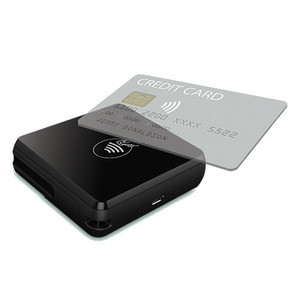
- Integrated Magnetic Stripe Reader (MSR): Supports legacy card payments and employee badge authentication without external card reader attachment. Single device footprint for multi-function operations.
- Built-in Barcode Imager: 1D/2D barcode capture for SKU lookup, inventory tracking, and loyalty program scanning. Eliminates need for secondary barcode scanner in light-duty retail or quick-service contexts.
- Compact Form Factor: Designed for counter mounting or mobile deployment. Black finish integrates into modern POS workstations.
- Included Power Supply: AC adapter and thermal management engineered for 24/7 retail operation; compliant with local electrical safety standards.
This terminal bridges the gap between full-size POS systems and mobile payment tablets. Windows 10 native architecture gives system integrators direct access to hardware APIs, allowing custom integrations with legacy back-office systems, local databases, and middleware — a significant advantage over iOS/Android-locked platforms. The MSR + imager combination eliminates the per-transaction cost of Bluetooth peripheral licensing for smaller operations.
Wi-Fi deployment flexibility reduces infrastructure spend in multi-location rollouts. Rather than running Cat-6 to every register position, sites can leverage existing WiFi infrastructure or add small wireless access points at a fraction of the cost. Bluetooth to external payment terminals (Square Reader, Clover Flex, PAX mobile devices) ensures compatibility with modern acquiring networks while preserving legacy card-read functionality via the onboard MSR.
4GB RAM handles concurrent point-of-sale transactions, local receipt printing, and background sync processes in typical retail and food-service volumes. During network interruption, the device queues transactions locally and reconciles once connectivity restores — a built-in resilience feature for merchants operating in areas with spotty broadband. 64GB storage supports transaction journals, receipt images, and encrypted payment logs for auditing and compliance without external storage dependencies.
Sourced direct from the manufacturer or US. Factory-new with full US warranty path and manufacturer technical support. Windows 10 is vendor-supported through 2025; extended support agreements available through OEM channels. Integrates with standard ONVIF-compliant IP camera management and Bluetooth-enabled wireless peripherals, making it suitable for integrated retail environments combining payment processing with video surveillance and access control.
Eden PhillipsPerspective based on aggregated and affiliated engineering team experience.
We've deployed the PioneerPOS T3-E144A5-A6 across retail kiosks, quick-service restaurants, and mobile event payment stations where network flexibility and peripheral integration matter more than raw processing power. The Windows 10 foundation is the real operational differentiator here — it lets integrators build custom POS workflows without vendor lock-in to proprietary app ecosystems. We've seen clients extend the device with legacy barcode systems, thermal receipt printers via USB, and encrypted payment middleware running directly on the terminal OS, all without cloud-dependency complications. The onboard MSR and imager aren't professional-grade performance, but they eliminate the USB cable clutter and per-device pairing overhead when you're supporting 10-20 register positions across a small chain. Wi-Fi deployment has cut installation labor by 30–40% in retrofit scenarios where running ethernet to every counter position wasn't practical. That said, this is a single-register workhorse — if you're running a 50-register enterprise deployment, you'll need a more muscular back-end system and likely VLAN-isolated payment networks. The 4GB RAM is adequate for typical retail transaction volumes, but hit sustained 200+ transactions/hour or sync large inventory databases, and you'll notice lag. Battery life isn't a consideration — it's AC-only — so mobile cart use requires a dedicated power solution.
Technical Highlights:
- Windows 10 Native OS: Direct hardware access, legacy application compatibility, and system-level API integrations. No virtualization overhead — critical when running thermal printers, cash drawers, and custom payment middleware simultaneously.
- Wi-Fi 802.11ac: Reduces network infrastructure capex by leveraging existing wireless. Typical enterprise-grade WiFi 6 access points cover 50–75 meter radius with low latency; POS transaction data (typically 2–5 KB per transaction) incurs negligible bandwidth.
- 4GB RAM / 64GB SSD: Adequate for 50–200 local transactions before cloud sync; storage sufficient for 60–90 days of encrypted transaction logs and receipt images. Exceeding this footprint requires external NAS or cloud archival.
- Integrated MSR + Imager: Eliminates external reader procurement, pairing complexity, and per-unit licensing costs for Bluetooth card readers. 1D/2D imager sufficient for retail SKU capture and loyalty barcode scans; not suitable for high-speed document scanning or professional barcode verification.
- Bluetooth 5.0: Pairs with wireless payment terminals (Square Reader, PAX devices), scales, label printers, and inventory scanners. Range typically 30–50 meters in open space; walls reduce effective range to 10–15 meters.
Deployment Considerations:
- Windows 10 end-of-support timeline: October 14, 2025. Plan OS refresh or extended support contracts before that date; Windows 11 driver compatibility should be validated against your POS software vendor before upgrading devices in production.
- MSR and imager are entry-level components. If your site processes 500+ cards daily or requires high-speed barcode scanning (production line or warehouse scale), integrate a dedicated card reader (Ingenico, PAX) and industrial barcode scanner instead of relying on onboard components.
- Wi-Fi-only connectivity introduces security considerations: ensure terminal operates on a segmented VLAN with network access policies limiting exposure to back-office systems. Pair with VPN or TLS certificate pinning for payment data in transit.
- 4GB RAM and 64GB storage are adequate for single-register operation. If you're clustering multiple terminals on a local network with shared inventory database sync, test transaction queue depth and database lock contention before deployment.
- AC power only — no battery backup. For mobile deployment (food truck, event booth), provision a UPS or generator to prevent mid-transaction shutdowns. Typical current draw is 3–5A at 120V.
The T3-E144A5-A6 is the right choice for independent retailers, food-service operators, and system integrators needing Windows application compatibility, network flexibility, and integrated payment/scanning in a space-constrained environment. If you're building a small-chain POS infrastructure with custom middleware or legacy Windows software dependencies, this terminal's open architecture beats vendor-locked iOS or Android alternatives. Explore the full PioneerPOS catalog for larger-scale register configurations and multi-terminal management options.