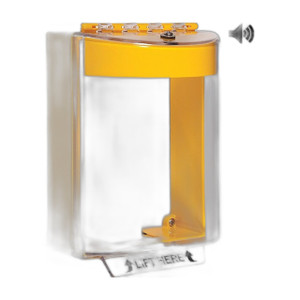
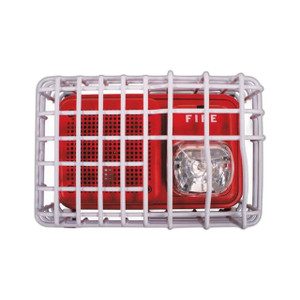
STI STI-9705-R TCP/IP Horn/Strobe/Speaker Controller
Overview
The STI STI-9705-R is a TCP/IP-enabled controller engineered to centralize management and protection of horn, strobe, and speaker systems across distributed security and emergency notification deployments. Unlike standalone audible/visual devices, the 9705-R provides networked command, monitoring, and electrical load protection — meaning you control multi-zone alerting from a single point and can verify device status without walking the facility. This controller is designed for security integrators and IT architects building integrated access control, mass notification, or coordinated emergency response systems where synchronized signaling across multiple zones matters.
Key Features
- TCP/IP Connectivity: Eliminates isolated device silos. Your NVR, access control panel, or VMS can trigger coordinated horn/strobe sequences across zones simultaneously — no separate relay wiring between systems. Enterprise network integration means remote management and automated alerting tied to security events (intrusion, panic, shelter-in-place).
- Damage Stopper Protection: Inductive loads like horns and strobes generate voltage spikes that degrade controller electronics over time. The 9705-R's built-in protection absorbs transient overvoltage, extending device life and reducing field failures — especially critical in high-use facilities like warehouses or manufacturing plants where false alarms and frequent test cycles are common.
- Centralized Control: One controller manages multiple horn/strobe outputs, reducing panel real estate and installation complexity. You avoid deploying a separate relay or output module for each zone, cutting wiring labor and eliminating single-point-of-failure risks inherent to distributed relay logic.
- Equipment Status Monitoring: The controller reports device state (online/offline, fault conditions) back to your network. You'll catch a failed horn or strobe before occupants discover it during an actual emergency, rather than discovering the problem during post-incident review.
- Integration with Access Control & VMS: Deploy the 9705-R alongside IP cameras and access control systems to automate multi-sensory alerts. Example: motion detection in a restricted area triggers video recording, door lock, and horn/strobe simultaneously — no manual coordination required.
- Suitable for Emergency Notification Workflows: Mass notification, active-threat response, and evacuation protocols all benefit from instant, synchronized horn/strobe activation across the facility. The network architecture supports scheduled testing and audit trails of alert activations.
Integration & Compatibility
The STI STI-9705-R operates on standard TCP/IP networks, making it compatible with enterprise security management platforms that support relay control and event triggering. Integration with networked VMS platforms and access control panels allows horn/strobe sequences to be scripted as part of larger security workflows — for example, locking doors and activating visual alarms on detection of a breach event. Confirm compatibility with your specific VMS or control panel through the systems integrator during design; most modern platforms support HTTP/REST or SNMP triggers to networked controllers.
Deployment Considerations
Network bandwidth is negligible — the 9705-R generates only command/status traffic, not streams of video or audio. Power requirements depend on connected horn and strobe loads; confirm your PoE switch or 12/24VDC supply can handle the aggregate draw of all connected devices. If deploying in noisy industrial environments, validate that horn SPL is sufficient for the room size and distance. For facilities requiring NFPA 72 compliance or ADA-compliant visual alarm intensity, confirm the strobe output meets your local fire code before committing to the design.
Frequently Asked Questions
Q: Can the STI-9705-R integrate with my existing access control system?
A: Yes, if your access control platform supports TCP/IP relay control or HTTP event triggering. Work with your systems integrator to configure the connection; most modern panels (Salto, Honeywell, Bosch) support this workflow.
Q: What power supply does the STI-9705-R require?
A: Power requirements depend on the horns and strobes you connect to it. Verify the connected load ratings during design and confirm your power supply (PoE or 12/24VDC) can deliver sufficient current for all devices operating simultaneously.
Q: Does the 9705-R support scheduled testing of horns and strobes?
A: Most enterprise security platforms and VMS systems allow you to script periodic horn/strobe activations. Check your specific VMS or control panel documentation for scheduling features.
Q: Is the STI-9705-R suitable for outdoor signaling?
A: The controller itself is typically installed indoors in a panel or cabinet. Horns and strobes you connect to it can be rated for outdoor use; verify the enclosure rating and IP rating of your connected devices match your outdoor environment.
Q: What happens if the network connection to the 9705-R is lost?
A: Network loss disables remote triggering. Some configurations support local hardwired inputs as fallback. Consult your systems integrator on failover architecture if network outages are a concern.
Q: Can I use the STI-9705-R for mass notification or emergency notification?
A: Yes. The controller is designed to coordinate horn/strobe/speaker activation across zones in emergency notification deployments. Integrate it with your mass notification software to trigger facility-wide or zone-specific alerts.
Ted PerryPerspective based on aggregated IP Security Depot and affiliated engineering team experience.
The STI STI-9705-R is a straightforward networked controller with one job done well: eliminate isolated relay logic for multi-zone horn/strobe coordination. The TCP/IP interface is the real win here — you're not daisy-chaining relays or running parallel wiring to each signaling device. Instead, your access control system, VMS, or mass notification platform sends one network command, and the 9705-R executes the sequence across all zones simultaneously.
Technical Highlights:
- Damage Stopper Protection: Inductive transient suppression built-in protects the controller from voltage spikes generated by horn and strobe coils during activation and de-activation. In high-cycle environments (warehouses, manufacturing), this extends mean time between failure significantly compared to unprotected relay outputs.
- Centralized Output Control: Single network device replaces distributed relay modules, reducing panel real estate and single-point failures. One network drop instead of multiple wired connections — simpler to commission, easier to troubleshoot.
- Event Integration: Works seamlessly with enterprise VMS platforms and access control systems that support HTTP/REST or SNMP event triggers. Tie horn/strobe activation to intrusion detection, badge reader events, or scheduled tests without custom programming.
Deployment Considerations:
- Network dependency: Loss of connectivity disables remote triggering. Plan for local hardwired inputs as fallback if network outages are a risk factor at your site.
- Load verification critical: Aggregate horn and strobe current draw must not exceed your power supply capacity. In multi-zone deployments, calculate worst-case simultaneous activation and confirm your PoE switch or 12/24VDC supply can handle it — undersizing here causes nuisance dropouts during actual emergencies.
- Code compliance check: NFPA 72 (fire alarm) and ADA visual alarm requirements vary by jurisdiction. Confirm your strobe output meets local intensity (candela) and flash-rate standards before design lock.
Position the 9705-R in integrated emergency notification and access control deployments where centralized, network-triggered signaling is non-negotiable — especially in large facilities where manual alerting or isolated relay logic creates coordination delays. For simple single-zone setups or environments where a hardwired relay already works, this controller adds complexity without proportional benefit.