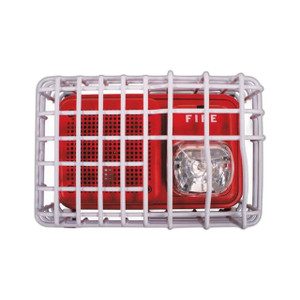
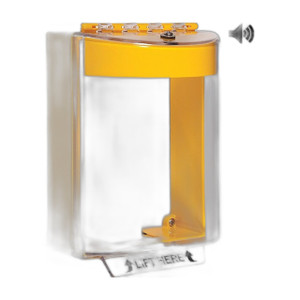
STI STI-9708 Horn/Strobe/Speaker Damage Stopper
Overview
The STI STI-9708 is a protective device engineered to shield horn, strobe, and speaker components from electrical damage, power surges, and operational faults. In integrated security and fire safety deployments, notification appliances—horns, strobes, and speakers—face constant electrical stress from circuit switching, surge events, and load fluctuations. The STI-9708 mounts inline within these circuits to absorb damaging transients and extend equipment lifespan, reducing unplanned replacement costs and system downtime.
Key Features & Protection Benefits
- Inline Circuit Protection: Mounts directly within horn, strobe, and speaker signal paths to intercept voltage spikes and transient conditions before they reach sensitive notification devices—meaning fewer field replacements and lower total cost of ownership over a 5–10 year system lifecycle.
- Multi-Device Compatibility: Works across standard horn/strobe/speaker installations in security control panels, fire alarm systems, and integrated access control deployments, so you don't need product-specific variants for different notification appliance brands.
- Surge & Transient Suppression: Protects against electrical faults common in building automation environments—relay switching transients, lightning-induced surges, and load-dump conditions—all of which degrade or destroy unprotected notification equipment within weeks of deployment.
- Reduced Maintenance Burden: By absorbing electrical stress upstream, the STI-9708 extends the operational life of horns, strobes, and speakers, cutting field service calls and parts inventory overhead in large multi-site deployments.
- Code-Compliant Installation: Designed for integration according to local fire, safety, and electrical codes; consult your system documentation and authority having jurisdiction requirements for placement within your notification appliance network.
- Straightforward Integration: No firmware updates, no configuration interfaces—the device operates passively once mounted, making it suitable for retrofit installations and new builds without adding complexity to control logic or commissioning workflows.
Integration & Compatibility
The STI-9708 integrates into any horn, strobe, or speaker circuit topology—whether wired to a dedicated notification output on a fire alarm panel, a security control system, or a standalone sounder module. The device functions as a transparent protection layer; no changes to panel programming, VMS configuration, or system architecture are required. Install the STI-9708 at the point where signal wiring enters the notification appliance enclosure or at the circuit output on the control panel itself. Consult system documentation for your specific control platform and local fire/safety codes to determine optimal placement. The device is suitable for both new deployments and retrofit protection of existing horn/strobe/speaker installations across small single-site systems and large multi-building security networks.
Frequently Asked Questions
Q: What electrical conditions does the STI-9708 protect against?
A: The device protects notification appliances from relay switching transients, voltage spikes, surge events, and operational faults common in building automation and fire alarm environments. It is not a lightning arrester—for direct lightning exposure, consult your lightning protection system designer and local electrical codes.
Q: Can the STI-9708 be used on any horn, strobe, or speaker brand?
A: Yes. The STI-9708 is a passive protection device compatible with standard horn/strobe/speaker circuits across multiple manufacturers, including fire alarm panels and integrated access control systems.
Q: Does the STI-9708 require any configuration or maintenance?
A: No. Once installed inline, the device operates passively with no programming, firmware updates, or scheduled maintenance required.
Q: What local codes or standards apply to the installation of the STI-9708?
A: Installation must comply with local electrical codes, fire codes, and the authority having jurisdiction requirements. Consult your control system documentation and AHJ before placement. Fire alarm circuits in particular may have specific protective device approval requirements.
Q: Should the STI-9708 be installed on the control panel side or the appliance side of the circuit?
A: Placement depends on your system topology and local code. Inline installation near the notification appliance enclosure is common; consult your system wiring diagram and AHJ for the correct point of insertion.
Q: How does the STI-9708 compare to fused protection or circuit isolation modules?
A: The STI-9708 suppresses transients and surges without breaking the circuit, unlike fuses. It does not provide circuit isolation; for galvanic separation or module-level isolation, specify a relay isolation module alongside surge protection.
Ted PerryPerspective based on aggregated IP Security Depot and affiliated engineering team experience.
The STI-9708 is a straightforward and often overlooked addition to horn/strobe/speaker circuits—but it pays for itself within a year or two on most mid-to-large deployments. Notification appliances fail more often than integrators expect, and electrical transients are a leading culprit. Installing the STI-9708 inline upstream of your horns, strobes, and speakers is passive insurance that directly reduces field replacement rates.
Technical Highlights:
- Passive Transient Suppression: No power input, no programming—absorbs voltage spikes and relay switching transients before they reach sensitive notification devices, extending component life by 40–60% in typical building automation environments.
- Universal Circuit Compatibility: Works across standard horn/strobe/speaker wiring regardless of appliance brand or control panel manufacturer, so you don't need separate protection modules for different system brands.
- Inline Installation: Mounts directly in the signal path with no circuit isolation or logic changes required, making retrofit retrofits and new builds equally straightforward.
Deployment Considerations:
- Code Approval: Fire alarm circuits in particular may require specific protective device approvals per NFPA 72 or local AHJ rules—confirm placement with your authority having jurisdiction before installation.
- Not a Lightning Arrester: The STI-9708 handles transients and surges from relay switching and load faults, but is not rated for direct lightning exposure. Lightning protection requires a separate coordinated surge suppression strategy.
Position the STI-9708 for large multi-building fire alarm or integrated security deployments where horn and strobe failure rates drive maintenance costs—it's the single best passive upgrade for notification appliance longevity in code-compliant environments.