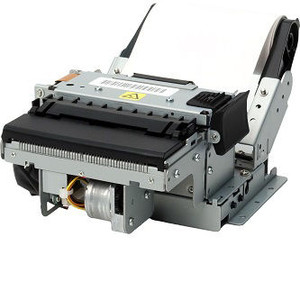
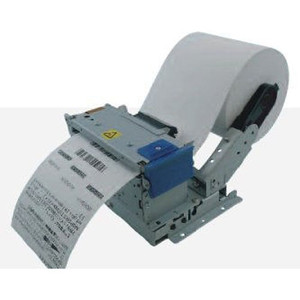
Star Micronics 39658110 MCL32Ci Direct Thermal Label Printer
Overview
The Star Micronics 39658110 is a compact direct thermal label printer engineered for high-frequency warehouse, logistics, and retail environments where label throughput and uptime matter. Print speed of 180 mm/s translates to faster label production cycles — approximately one 4x6 label every 1.3 seconds — which reduces line stalls and operator idle time in busy picking or shipping operations. The 203 dpi (8 dots/mm) resolution delivers crisp barcode rendering and legible text without sacrificing speed, eliminating the common tradeoff between throughput and readability. Wireless connectivity via Wi-Fi decouples the printer from fixed desk or wall locations, allowing flexible repositioning as warehouse layouts evolve or as temporary shipping stations need setup.
Key Features
- 180 mm/s Print Speed: Outputs labels fast enough to keep pace with moderate-to-high-volume picking and packing workflows without becoming a bottleneck. Each label prints in under 2 seconds on average, reducing cumulative downtime across a shift.
- 203 dpi Resolution: Barcode scan reliability depends on consistent dot clarity — 203 dpi ensures 1D codes (Code128, UPC, EAN) and 2D codes (QR, DataMatrix) render with sharp edges. Thermal printers cannot adjust dpi mid-print, so this fixed resolution is your ceiling; verify your label software outputs at 203 dpi to avoid degradation.
- Direct Thermal Printing: No ink, toner, or ribbon cartridges. Labels come pre-coated with heat-sensitive chemistry; the print head simply darkens them. Eliminates consumable costs and supply chain friction — you only need label stock. Thermal-coated label life outdoors is typically 6–12 months depending on UV and moisture exposure; for archival or long-term outdoor labels, consider switching to thermal transfer later if needed.
- Linerless Label Support: Can print on traditional rolled labels (with release liner) or on linerless stock, which reduces waste and improves sustainability metrics. Linerless media is pricier per label but cuts disposal costs and requires less storage footprint. Test your WMS integration with linerless batches before full conversion.
- Wi-Fi Connectivity: Enables print jobs from warehouse management systems (WMS), mobile devices, or desktop software without USB or Ethernet cables. Wireless reduces desk clutter and lets you relocate the printer for staging or returns processing. Ensure your facility's 2.4 GHz Wi-Fi coverage is solid near the printer location; poor signal causes print job delays.
- Compact Footprint: Dimensions of 143 mm (W) × 212 mm (H) × 169 mm (D) fit onto crowded shipping tables or warehouse shelves alongside scanners and scales. Small doesn't mean fragile — direct thermal mechanisms are mechanically simple and durable in high-use settings.
- External Power Supply (PS65AT-24A): Draws power via a dedicated 24V adapter rather than PoE or USB, so it won't strain a PC or network switch. The included power supply handles typical North American and international voltage ranges.
Integration and Compatibility
The 39658110 works with any application or WMS that can send print jobs over Wi-Fi using standard printer protocols (LPR, IPP, or proprietary Star driver software). Verify your WMS or label-design software (Zebra Label Designer, Bartender, etc.) supports Star printer drivers for the 24-bit or 32-bit image format you intend to print. Test integration during a pilot phase to confirm label dimensions, barcode placement, and print quality match your warehouse's label specifications before rolling out fleet-wide.
Warranty and Support
Includes a 2-Year Limited Manufacturer Warranty (US & Canada) covering defects in materials and workmanship. Direct thermal print heads degrade with use — typical replacement interval is 2–3 years depending on label volume. Budget for eventual head replacement as part of ongoing consumable planning.
When to Choose a Different Model
If you need faster speeds (250+ mm/s), higher resolution (300+ dpi), or integrated label cutting/peeling, examine higher-end models within the Star Micronics label printer family. If your warehouse requires thermal-transfer printing (multicolor, extreme durability labels, or asset tags), those printers belong in a separate evaluation. If print volume is light (under 100 labels/day), a basic wired desktop printer may be more cost-effective.
Frequently Asked Questions
Q: What label media sizes does the 39658110 support?
A: Refer to the datasheet for supported media widths and lengths. Direct thermal printers typically handle standard rolls (4x6, 4x8) and custom sizes within the mechanical feed range. Confirm your specific label dimensions are compatible before purchase.
Q: Does the 39658110 require special drivers for Windows or Mac?
A: Yes. Star supplies drivers for Windows, macOS, and Linux. Download them from Star Micronics or your integrator before installation. Wi-Fi configuration typically occurs through a web interface or Star's mobile setup app.
Q: Is the printer suitable for outdoor or refrigerated warehouse use?
A: The 39658110 is rated for standard indoor environments. Freezer or dock exposure may affect Wi-Fi signal and plastic components. Consult the operating temperature range in the technical specifications before deploying into temperature-controlled or unheated spaces.
Q: Can I print barcodes directly onto product packaging without label stock?
A: No. Direct thermal printers require pre-coated thermal label media. They cannot print directly on cardboard, plastic, or uncoated surfaces. If you need direct packaging marking, evaluate thermal-transfer or inkjet systems.
Q: What is the expected lifespan of the print head?
A: Thermal print heads typically sustain 2–3 years of typical use (200,000–500,000 label cycles) before performance degrades. High-volume sites may need replacement sooner. Budget for head replacement as a routine maintenance expense.
Q: Does the 39658110 work with my warehouse management system?
A: The printer supports standard Wi-Fi printing protocols. Compatibility depends on whether your WMS has Star printer drivers or supports generic LPR/IPP. Contact your WMS vendor or your systems integrator to verify integration before committing to a purchase.
Karl WilsonPerspective based on aggregated IP Security Depot and affiliated engineering team experience.
The 39658110 is a workhorse for moderate-to-high-volume environments where Wi-Fi flexibility and straightforward consumable economics matter more than blazing speed. At 180 mm/s, this printer is neither the fastest nor the slowest in the direct thermal market — it's the speed sweet spot for picking-and-packing workflows. The lack of ribbon or toner cartridges means your logistics team can focus on running labels instead of managing supplies.
Technical Highlights:
- 180 mm/s with 203 dpi: This combination means you get both volume and barcode legibility. A typical 4x6 label prints in approximately 1.3 seconds, fast enough to avoid operator frustration but not so aggressive that you're replacing thermal heads every year.
- Direct Thermal Chemistry: Zero ink or ribbon means near-zero consumable overhead. Your cost per label is just the media cost — no hidden cartridge replacements or supply-chain disruptions from ribbon shortages.
- Wi-Fi over USB: Wireless operation lets you relocate the printer for staging or returns without rewiring. This flexibility becomes invaluable when warehouse layouts shift or temporary zones spin up during peak season.
Deployment Considerations:
- Wi-Fi Signal Dependency: Unlike wired USB or Ethernet printers, the 39658110 depends on a solid 2.4 GHz signal. Test coverage in your warehouse before deployment; weak signal creates print-job queuing and customer frustration.
- Thermal Head Wear: Direct thermal heads degrade with mileage. Budget for replacement after 2–3 years of typical use. High-volume sites (500+ labels/day) may need head replacement sooner. Plan for this as a predictable maintenance cost.
- Label Media Dependency: You cannot print on uncoated surfaces. Ensure your label supplier stocks thermal-coated media consistently; switching brands mid-production can cause barcode scanning failures if coatings differ.
Position the 39658110 for picking, packing, and returns operations in mid-size warehouses (5,000–20,000 units/day throughput) where Wi-Fi flexibility and low consumable cost outweigh extreme speed. It's not the choice for ultra-high-volume sortation (where 300+ mm/s is mandatory) or for outdoor dock printing (where environmental hardening matters more). For a typical 3PL or mid-market fulfillment center, this printer delivers solid ROI and operational simplicity.