Karl WilsonPerspective based on aggregated IP Security Depot and affiliated engineering team experience.
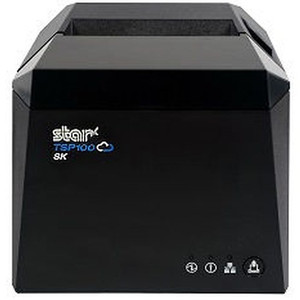
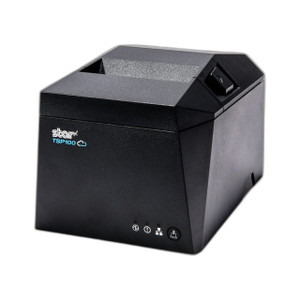
I've deployed the TSP143IV X4 in several warehouse operations, and the linerless capability is what sets it apart for high-volume labeling. When you're processing hundreds of shipments daily, eliminating the backing paper reduces downtime for media changes and cuts disposal costs. The direct thermal mechanism is straightforward—no ribbons to manage—which keeps maintenance minimal in dusty warehouse environments.
That said, verify your label management software explicitly supports Star's linerless format before committing. Some older WMS platforms expect standard gap-sensing between labels, and you'll need to configure the printer's detection mode correctly. I've seen teams assume it's plug-and-play with any thermal label workflow, then spend hours troubleshooting print positioning. Also consider your label longevity requirements—direct thermal fades under prolonged UV exposure or heat, so if you're printing labels for outdoor storage or long-term archive boxes, you'll want a different technology. For indoor shipping labels with a 6–12 month lifespan, this printer handles the workload efficiently.