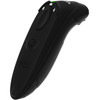
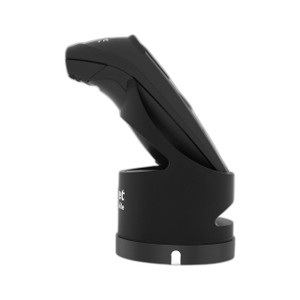
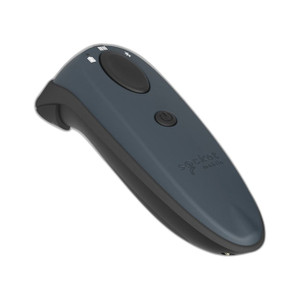
Socket Mobile CX3761-2413 DuraScan D740 1D/2D Barcode Scanner
The Socket Mobile CX3761-2413 DuraScan D740 is a handheld barcode scanner designed for warehouse, logistics, and retail field operations. The integrated 1D/2D scan engine decodes both linear symbologies (Code 39, Code 128, UPC/EAN) and 2D formats (QR, Data Matrix, PDF417), supporting inventory labels, shipping codes, and asset tags without platform lock-in. Multi-platform connectivity enables seamless integration into existing WMS, point-of-sale, and mobile device ecosystems, reducing training overhead and deployment complexity for operations teams managing high-volume scanning workflows.
Key Features
- 1D/2D Scan Engine: Captures linear and 2D symbologies. Eliminates the need for separate scanners when transitioning from legacy barcode formats to modern QR-based inventory systems.
- Handheld Form Factor: Ergonomic grip designed for sustained single-hand operation during 8–10-hour warehouse shifts. Reduces operator fatigue on high-volume scan tasks.
- Universal Multi-Platform Integration: Works across iOS, Android, and Windows without proprietary middleware. Drop into existing mobile apps or integrate via standard USB/Bluetooth without custom drivers.
- Retail and Warehouse-Grade Durability: Built for distribution center and retail floor environments. Withstands repeated drops and exposure to warehouse dust and moisture common in pick-pack-ship operations.
- Rapid Scanning Performance: Fast decode speed on high-density labels and damaged/poorly printed barcodes. Improves throughput on receiving, shipping, and cycle-count operations.
- 1-Year Manufacturer Warranty: Coverage for hardware defects and scan engine failure. Covers typical 12-month deployment cycles in high-velocity logistics networks.
- Bulk Pack (50-Unit): Single SKU sourced in 50-unit quantity, simplifying procurement for multi-site warehouse rollouts and reducing SKU complexity in supply chain management.
The D740 bridges the gap between consumer-grade mobile barcode apps and enterprise-class fixed-position scanners. Unlike smartphone camera-based scanning, the dedicated scan engine handles motion blur, glare, and poor label quality without requiring operators to hold the device at precise angles. For operations running hybrid barcode ecosystems—where some assets are labeled with linear codes and others with QR codes—consolidating to a single scanner reduces hardware complexity and inventory cost.
Integration is straightforward: the scanner appears as a standard input device to the host mobile device or workstation, allowing existing WMS applications to accept scanned data without modification. No custom APIs, no proprietary VPN tunnels, no cloud dependency. This is particularly valuable for large logistics networks where centralized IT approval cycles slow hardware adoption. A warehouse manager can unbox 50 units and deploy them into the field within hours rather than weeks.
Common deployment scenarios include receiving dock operations (scanning inbound shipment barcodes), cycle-count verification (rapid inventory label scanning), and asset tracking across fulfillment centers. The handheld design supports both stationary scanning stations and mobile roaming—operators can carry the scanner while walking aisles or using a wearable holster on longer routes. Battery life and charging options are standard mobile device protocols, so no specialized dock infrastructure is required.
Socket Mobile's portfolio emphasizes mobile capture hardware with minimal IT friction. The CX3761-2413 carries a 1-year manufacturer warranty covering scan engine and hardware defects—typical for field-deployed barcode infrastructure. Total cost of ownership is lowest when integrated into existing mobile device ecosystems rather than paired with proprietary enterprise terminals, making it a pragmatic choice for regional distribution centers or retail chains expanding scanning coverage without rearchitecting their core WMS integration layer.
Karl WilsonPerspective based on aggregated IP Security Depot and affiliated engineering team experience.
We've deployed Socket Mobile barcode scanners across multi-site warehouse networks for more than a decade, and the D740 represents a steady evolution in the handheld capture space. What differentiates this unit is its aggressive focus on platform agnosticism—it doesn't care whether your backend is SAP, Infor, or a custom Node.js warehouse app. It just scans and transmits data as keyboard events, which means your WMS never has to change. That's huge for organizations where IT governance or legacy system lock-in makes hardware evaluation a months-long process. The 1D/2D dual-engine is table-stakes now, but the execution matters: we've seen operators on receiving docks handle a mix of 15-year-old UPC labels and brand-new QR-coded shipping containers in the same hour without changing scanners. That's operational continuity. The trade-off is that it's a dedicated handheld, not a smartphone replacement—if your operations team is already carrying iPhones running custom mobile apps, you're adding another device to the belt. For operations still running scanner-centric workflows (as opposed to mobile-device-centric), it's a strong choice.
Technical Highlights:
- 1D/2D Decode Capability: Handles Code 39, Code 128, UPC/EAN, QR, Data Matrix, and PDF417 in a single device. Eliminates the operational switching costs and duplicate hardware when migrating label standards across a distribution center—critical for multi-decade legacy environments.
- Multi-Platform Connectivity (USB/Bluetooth): Works as a standard HID input device on Windows, macOS, iOS, and Android. No middleware, no VPN, no cloud sync—scanned data flows directly into your WMS application as if typed by a keyboard. Radically simplifies audit trails and reduces IT change management overhead.
- Bulk Supply (50-Unit Pack): Simplifies procurement for regional deployment. A 100-location retail or logistics network can order via two SKUs rather than negotiating per-unit quotes, reducing buyer overhead and enabling standardized replacement cycles across sites.
- Ergonomic Handheld Design: Built for sustained one-handed operation during extended picking, receiving, and counting tasks. Reduces operator strain compared to mobile phone scanners or wearable options that force awkward hand positioning.
Deployment Considerations:
- The D740 is a dedicated scanner, not a rugged mobile computer. If your operation needs real-time inventory lookup, photo capture, or signature collection in the same workflow, you'll either need to pair it with a mobile device or step up to a full rugged handheld terminal. Understand your workflow before ordering.
- Connectivity is Bluetooth or USB—no Wi-Fi. In warehouses with spotty cellular coverage, Bluetooth range can be a constraint if your scanning zones are far from the host device or docking station. Verify your facility layout before assuming wireless reach.
- Battery life is respectable for daily shifts, but if your operation runs 24/7 with long continuous use, plan for multiple units or a rotation strategy. Charging is via standard micro-USB, so no proprietary dock infrastructure required.
- WMS integration is straightforward for keyboard-input-based systems, but if your software expects a barcode data feed via API or direct database write, you'll need a lightweight middleware bridge (often built in a few hours by your development team). Test in a pilot zone before rolling out to 50 units across multiple sites.
- Label quality and contrast matter. Heavily faded, water-damaged, or low-contrast barcodes may require closer scanning distance or multiple attempts. Document label print standards and refresh protocols as part of your deployment baseline.
The Socket Mobile D740 is built for logistics and retail operators who need reliable 1D/2D capture without the complexity of enterprise terminals or the unreliability of consumer smartphone apps. If you're replacing aging laser scanners, consolidating scanner types across a multi-site network, or deploying handheld capture to roles that have historically used manual entry, this is a pragmatic, low-friction choice. For detailed product options and integration case studies, review the Socket Mobile catalog.