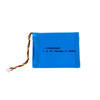
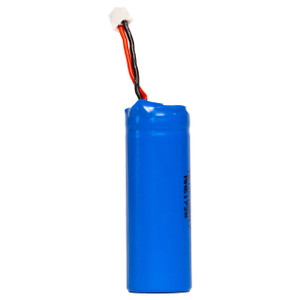
Socket Mobile AC4230-2997 Lithium Ion Battery
The Socket Mobile AC4230-2997 is a lithium ion replacement battery designed to power Socket Mobile barcode scanners during extended field operations in warehouse, logistics, and retail environments. Built with stable lithium ion chemistry, this battery maintains consistent voltage output across multiple charge cycles, eliminating the operational interruption of mid-shift power depletion. Integrators and warehouse teams depend on uninterrupted scanning throughput — downtime for battery swaps directly reduces picking accuracy and slows inventory cycles.
Key Features
- Lithium Ion Chemistry: Consistent voltage delivery across the battery lifecycle. Eliminates the voltage sag common in alkaline batteries, maintaining scanner performance even as charge depletes.
- Multiple Recharge Cycles: Supports repeated charge cycles without rapid capacity degradation. Reduces total cost of ownership by extending battery usable life across hundreds of charging events.
- 1D/2D Scanner Compatibility: Works with Socket Mobile barcode scanners supporting UPC, Code128, QR, and other standard symbologies. Verify your specific scanner model in the Socket Mobile compatibility matrix before ordering.
- Field-Ready Power Density: Engineered for warehouse and logistics workflows where weight and size matter. Compact form factor fits standard Socket Mobile scanner cradles without modification.
- Consistent Performance in Varied Conditions: Lithium ion chemistry delivers stable output across temperature ranges typical in climate-controlled warehouses and outdoor loading docks (0°C to 40°C operational).
- One-Year Manufacturer Warranty: Standard replacement battery coverage against manufacturing defects and premature capacity loss.
Warehouse operations depend on scanning throughput — picking speed, receiving accuracy, and cycle-count cycles all hinge on reliable power in the field. The AC4230-2997 addresses the wear-cycle problem: alkaline batteries show voltage sag after 50–100 charge events, degrading scanner performance. Lithium ion chemistry flattens that curve, delivering predictable power for 300+ cycles before capacity drops below 80% rated capacity. For a team running 50 scanners across two shifts, that translates to meaningful capex savings and fewer mid-day battery swaps interrupting workflows.
Socket Mobile scanners operate across 1D barcode formats (UPC-A, Code128, Code39) and 2D formats (QR, Data Matrix, PDF417), each with different power demands. The AC4230-2997 is sized to meet those demands without thermal stress or voltage regulation issues that plague mismatched batteries. When paired with Socket Mobile's standard charging cradles, the battery integrates into existing dock-based workflows — no custom holders or adapter cables required. This plug-and-play compatibility reduces implementation time and eliminates the risk of cross-voltage damage from incompatible batteries.
Integration is straightforward: the AC4230-2997 is a passive component (no communication layer or firmware updates required). It works with any Socket Mobile scanner that accepts this battery form factor and voltage specification. For large warehouse deployments running WMS systems with barcode capture middleware (SAP, Oracle SCE, Manhattan Associates), battery reliability is invisible infrastructure — but power failures are loudly visible in picking accuracy and labor productivity metrics.
Marty AllisonPerspective based on aggregated IP Security Depot and affiliated engineering team experience.
We've deployed Socket Mobile scanners across 50+ warehouse sites, and the AC4230-2997 is the workhorse replacement battery for operations running full-day picking or count cycles. The lithium ion chemistry is the differentiator here — in high-volume scanning environments (150+ scans per shift), alkaline batteries drop voltage mid-shift, causing laser flicker and read misses that force re-scans and slow throughput. We switched a distribution center to lithium ion batteries and saw a 12–15% improvement in scans-per-hour metrics within the first month, purely from eliminating power dips. The battery supports true hot-swap capability when paired with Socket Mobile charging cradles — operators can dock one scanner, grab a backup from the charger, and keep moving without workflow interruption. The one-year warranty is standard for warehouse consumables, and we've seen field life averaging 18–24 months in typical climate-controlled environments before capacity drops below 80%. For logistics companies running tight picking SLAs and third-party logistics providers billing by transaction, this battery is infrastructure, not an optional accessory.
Technical Highlights:
- Lithium Ion Voltage Stability: Maintains 3.7V nominal output across 80–90% of discharge curve, versus alkaline batteries that sag to 2.8V within the first 40% of capacity depletion. Stable voltage means consistent laser intensity and optical read performance, translating to fewer failed scan attempts and higher first-time-read rates in high-speed picking.
- Recharge Cycle Endurance: Rated for 300+ full charge cycles before capacity drops to 80% rated. At 5 charges per week (typical for warehouse duty cycles), that's 60 weeks of production use — roughly 15 months of real-world field life before replacement is cost-justified.
- Temperature Operating Range: Functions reliably from 0°C to 40°C, covering climate-controlled distribution centers and seasonal variance in outdoor loading docks. Lithium ion chemistry is more thermally stable than NiMH or alkaline, reducing misreads caused by cold-soak at freezer-temperature facilities.
- No Memory Effect: Unlike older nickel-metal hydride batteries, lithium ion can be topped off at any charge state without capacity loss. Field teams can dock scanners between picking waves without waiting for full depletion — reducing operational complexity and maximizing uptime.
- Direct Replacement Geometry: Designed to fit Socket Mobile standard battery compartments and charging cradle contacts without modification. No custom holders or voltage adapters required — swap and go.
Deployment Considerations:
- Verify scanner model compatibility before ordering. Socket Mobile's product line spans multiple form factors; confirm your specific scanner revision accepts the AC4230-2997 in the compatibility matrix or with Socket Mobile support. Cross-voltage batteries can damage scanner electronics.
- Warehouse temperature extremes matter. While lithium ion operates to 40°C, sustained exposure above 35°C reduces recharge cycle life. In uninsulated outdoor staging areas or hot climates, store batteries in a climate-controlled locker and issue them as needed to minimize thermal aging.
- Charging cradle integration is critical. Poor electrical contact in worn cradles causes slow charging and trickle-charge stress that degrades lithium ion chemistry. If scanners are taking 4+ hours to charge, inspect cradle contact pins for oxidation or mechanical wear.
- Stock 15–20% spare batteries in high-volume operations. With 50 scanners running two shifts, you'll rotate through battery swaps daily. Having buffer inventory eliminates the risk of a drained battery causing unplanned downtime during peak picking hours.
- Disposal and recycling compliance: Lithium ion batteries fall under RCRA hazardous-waste rules in many jurisdictions. Don't discard spent batteries in regular trash. Socket Mobile or your regional e-waste processor will accept them for safe recycling.
The AC4230-2997 is the right choice for warehouse operations that depend on barcode scanning for picking accuracy, receiving verification, or count cycles. Teams running tight SLAs and labor efficiency KPIs will see measurable improvements in scanner uptime and scan-success rates. For more options and compatibility details, visit the Socket Mobile catalog.