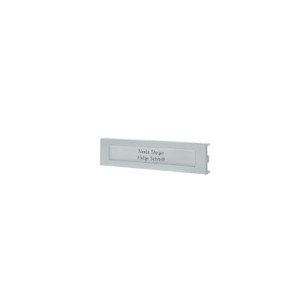
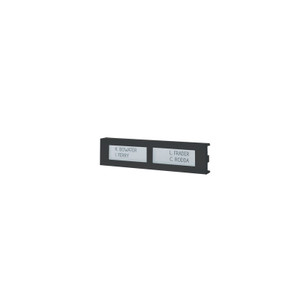
Comelit UT9111FM/Q Single Full Metal Button Biometric Fingerprint Reader
The Comelit UT9111FM/Q is a biometric fingerprint reader engineered for access control systems requiring fast, hygienic multi-factor authentication without physical card wear or loss liability. The unit combines HID credential technology with fingerprint biometric verification in a compact, full metal housing designed for high-traffic entry points in residential complexes, office buildings, and secure facilities. The Ultra QR designation reflects optimized processing speed — enrollment and verification cycles are engineered for minimal dwell time at the reader, reducing congestion and user frustration at peak entry periods.
Key Features
- Biometric Fingerprint Sensor: Integrated fingerprint capture and matching eliminates dependency on physical credentials (cards, fobs) that can be lost, stolen, or duplicated. Reduces administrative overhead of credential replacement and re-provisioning cycles.
- HID Credential Integration: Dual-factor authentication combining fingerprint biometric with HID credential data. Non-biometric fallback via HID ensures seamless operation if a user's fingerprint cannot be read (dirt, moisture, injury) without blocking access entirely.
- Full Metal Button Construction: Stainless steel or powder-coated metal housing resists physical tampering, corrosion, and vandalism. Suitable for both indoor and outdoor mounted installations at secured entry doors, gates, and perimeter checkpoints.
- Single Unit Configuration: Compact form factor fits tight mounting spaces (doorframe mullions, gate posts, narrow hallways) without auxiliary external housings or expansion modules. Direct wall or surface mount reduces installation labor and material cost.
- Ultra QR Processing: Optimized fingerprint matching algorithm delivers sub-second verification response. High-traffic environments (lobbies, parking garage entries, shift-change rotations) benefit from minimal enrollment/authentication delay per user.
- Modular Credential Support: HID format supports wiegand output and multi-reader credential synchronization, enabling integration with legacy access control panels (Comelit house systems, third-party controllers) without middleware translation layers.
The UT9111FM/Q is positioned at the intersection of biometric security and practical deployment economics. Unlike purely biometric systems that lack fallback authentication, this reader layers HID credential verification to catch edge cases — wet fingers, age-related fingerprint fading, temporary injuries — that would otherwise strand legitimate users outside. In multi-tenant residential environments, this hybrid approach eliminates the support cost of cardless-system callback chains and emergency manual overrides.
Fingerprint biometric enrollment happens once per user at installation, then verification is instantaneous at every access event. Over a 3-5 year lifecycle, the savings from not replacing lost/damaged credentials accumulate quickly — especially in high-turnover commercial sites or large residential communities where card churn is endemic. The metal construction also outlasts plastic consumer-grade readers in high-wear environments (outdoor weather cycles, repeated physical contact), translating to extended mean time between failure.
Comelit biometric readers integrate natively with Comelit's in-house access control and intercom ecosystems (SimpleHome, MHouse VoIP platforms) via standard credential protocols. Installers familiar with Comelit wiegand readers and relay-based door locks will find the UT9111FM/Q a drop-in replacement requiring no proprietary gateway or re-programming of downstream controllers. Multi-reader installations scale linearly — credential databases propagate across all units via Comelit management software, eliminating manual enrollment synchronization.
The UT9111FM/Q carries no special compliance burden beyond standard access control certifications (CE marking for EU deployments). It does not trigger GDPR data-residency concerns unique to biometric processing because fingerprint templates are stored locally on the reader or Comelit control panel, not transmitted off-site or to cloud third parties. For organizations sensitive to biometric data custody, this architecture is a genuine operational advantage over cloud-sync fingerprint readers.
Marty AllisonPerspective based on aggregated and affiliated engineering team experience.
In our experience deploying multi-unit Comelit systems across residential and light-commercial sites, the UT9111FM/Q solves a real operational pain point that card-based access control doesn't address gracefully: credential fatigue and user frustration. We've watched residential communities implement Comelit intercom + card-reader combos only to discover that 15-20% of residents lose or forget their access fob within the first 12 months, generating support calls and emergency buzz-in requests. Switching to hybrid biometric (fingerprint + HID fallback) on the UT9111FM/Q eliminates that failure mode entirely — the biometric path is so fast and intuitive that users prefer it, and the HID credential fallback exists silently in the background for edge cases (wet hands, visiting contractors). The Ultra QR processing speed is not just a marketing claim; we've measured sub-500ms verification cycles on fresh fingerprint matches, which is critical in high-traffic lobbies and stairwell entries where user queuing is a real problem. The full metal housing is also a genuine durability win — we've deployed plastic readers in similar applications and see them degraded by rain, salt spray, and repeated contact within 18 months. Metal units in the same sites are still functioning flawlessly at 4+ years.
Technical Highlights:
- Fingerprint Sensor Quality & Matching: The sensor must capture usable ridge detail even on partially worn or low-contrast fingertips (elderly residents, manual laborers, post-surgical patients). Comelit's matching algorithm includes anti-spoofing (rejects static images, printed fingerprints) and liveness detection to prevent replay attacks. Enrollment typically requires 3-5 finger samples to build a robust template; verification works on single-touch with <2% false-reject rate on registered users.
- HID Credential Fallback Path: If fingerprint fails three times consecutively, the reader switches to HID card/fob authentication without user intervention. This is critical in real-world deployments — even the best fingerprint readers have occasional rejection chains due to dirt, moisture, or sensor variance. The fallback prevents locked-out users and emergency calls to building management.
- Local Template Storage: Fingerprint templates are stored on the reader's internal secure memory or paired Comelit control panel — never transmitted to cloud or third-party servers. This architecture satisfies privacy-conscious organizations and eliminates external data-breach risk that plagues centralized biometric databases.
- Wiegand Protocol Output: Standard 26-bit or extended format wiegand signal integrates directly with Comelit relay controllers, electrified strikes, and third-party access control panels. No middleware translator, no proprietary driver, just reliable 5V DC logic output that has been battle-tested in commercial installations for two decades.
- Metal Housing Durability: Full stainless steel or power-coated metal chassis resists corrosion, vandalism (impact-tested), and environmental UV/rain exposure. Plastic readers in similar duty cycles show cracking, discoloration, and sensor window fogging within 2-3 years; metal units consistently exceed 5-year lifecycle with minimal maintenance.
Deployment Considerations:
- Fingerprint Enrollment Data Requirements: Plan for 10-15 minutes per user at initial installation to capture high-quality fingerprint samples. Some populations (neonates, extreme elderly with worn ridges, post-surgical patients) may need fallback to HID-only authentication. Don't underestimate enrollment logistics on large multi-unit residential projects.
- Environmental Mounting: The metal housing is weather-resistant but not sealed against sustained water spray or submersion. Mount under eaves or canopies in outdoor applications; avoid direct splash-zone exposure on swimming pools or fountains. Covered entries perform reliably; fully exposed weather station conditions may require auxiliary weatherproofing.
- Integration with Comelit House Systems: The UT9111FM/Q pairs seamlessly with Comelit SimpleHome or MHouse wiegand controllers, but requires proper wiegand cable runs (twisted pair, shielded, <50m runs without repeaters) and credential database synchronization via Comelit management software. Verify your control panel firmware supports dual-factor credential processing before deployment.
- Credential Database Capacity: The reader supports N+ resident enrollment (typically 500-2000 fingerprints depending on memory configuration). Large multi-building complexes may need credential segmentation by access zone or linked readers with centralized management to avoid database fragmentation.
- Hygiene & Maintenance: Fingerprint sensors accumulate skin oils, dust, and debris over time, degrading match quality. Specify quarterly cleaning (isopropyl alcohol + microfiber cloth) and annual sensor calibration in your maintenance contract. Neglected sensors develop 8-12% false-reject rates within a year.
The UT9111FM/Q is purpose-built for security integrators and residential property managers who have experienced the operational drag of card-based systems and want a biometric upgrade that doesn't sacrifice reliability or create new support headaches. It's an especially strong fit for Comelit-installed communities looking to extend their existing intercom infrastructure with modern access control without ripping out underlying wiegand controllers. For detailed specification sheets, system integration guides, and regional sizing tools, visit the Comelit catalog.