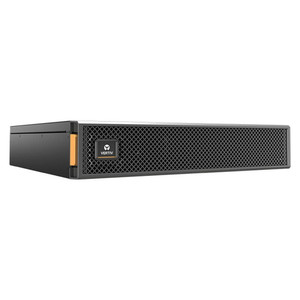
Vertiv VP6N31A4 Monitored Outlet-Level Three-Phase Horizontal PDU
Overview
The Vertiv VP6N31A4 is a horizontal, outlet-level monitored PDU rated for 30A at 200–240/346–415V WYE three-phase input, delivering up to 17.2kW of managed power across 12 AC outlets. Designed for high-density data center rows and telecom enclosures where per-outlet visibility into current, power, and voltage is not optional, this unit gives operations teams the granular metering they need to catch load imbalances before they become outages. For engineers evaluating rack PDUs for dense compute or storage deployments, the VP6N31A4 sits squarely in the monitored — not just metered — tier, which means you get remote per-outlet control visibility, not just branch-level aggregates.
Key Features
- Outlet-Level Monitoring (Current, Power, Voltage): Each of the 12 outlets is individually monitored for current, power, and voltage — not just the branch. This matters when a single runaway VM host or storage array is quietly pulling an asymmetric load and masking the problem at the branch-aggregate level. You catch it per outlet before a breaker trips.
- 17.2kW at 30A, 200–240/346–415V WYE: Three-phase WYE input means the 30A draw is balanced across phases, keeping per-phase current well within safe operating limits. At 17.2kW total capacity on a three-phase PDU, this unit is sized for mid-density blade or GPU compute rows — not light-duty office closets.
- 12 AC Outlets (C13 + C19 Mix): The outlet complement covers both standard server and storage loads (C13, typically ≤10A) and high-draw devices like high-density blade chassis and network gear (C19, up to 16A). A mixed C13/C19 layout means you're not forced to use adapters for heavier devices, which reduces points of failure and keeps the cable plant clean.
- NEMA L22-30P Input Plug: The L22-30P input connector is the field-standard locking plug for three-phase 240/415V circuits. If your floor PDU or whip is already wired L22-30P, this unit drops in without adapters. Verify your panel's whip termination before ordering if you're mixing international voltage ranges (200–240V vs. 346–415V).
- Network Protocol Stack (SNMP v1/v2c/v3, HTTPS, SSH, Modbus TCP, RADIUS, TACACS+, LDAP): The management stack is enterprise-grade. SNMP v3 with RADIUS and TACACS+ authentication means this PDU integrates cleanly into existing NMS and AAA infrastructure — no standalone credential silos. Modbus TCP opens the door to BMS (Building Management System) integration without a separate gateway. SNMP v1/v2c backward compatibility covers legacy NMS deployments.
- IPv4/IPv6 Dual-Stack with DHCP, NTP, Syslog, SMTP: Dual-stack networking future-proofs the management plane for IPv6-only segments. NTP synchronization keeps event timestamps reliable for incident correlation. Syslog and SMTP alerting means you can push outlet-level threshold events directly into your SIEM or ticketing system without polling.
- 1× RJ-45 Ethernet + 1× Serial + 1× USB Management Ports: Three management interfaces give you primary (Ethernet), out-of-band serial console access (critical when network is down), and USB for local firmware or config operations. The serial port is particularly valuable in colocation environments where in-band management is restricted.
- LED Display and Indicators: The onboard LED display provides local readout of load and status without requiring laptop or KVM access — useful during initial commissioning or when a field tech is on-site without VPN connectivity. LED indicators give at-a-glance fault status at the rack level.
- Horizontal 0U Mounting, 3m Power Cord: Horizontal mounting suits top-of-rack or mid-rack installation in standard 19-inch cabinets. The 3-meter (approximately 9.8 ft) cord gives adequate reach to a floor-mounted PDU whip in most raised-floor or overhead busway layouts without requiring an extension.
- 50/60 Hz Input Frequency: Dual-frequency acceptance (50 Hz international, 60 Hz North American) means this unit deploys globally without hardware changes — useful for organizations standardizing on a single PDU SKU across domestic and international data center sites.
Integration and Compatibility
The VP6N31A4 integrates with DCIM platforms via SNMP v1/v2/v3 and Modbus TCP, covering both legacy NMS tools and modern infrastructure management suites. HTTPS and SSH secure the management interface for environments with strict transport encryption requirements. LDAP, RADIUS, and TACACS+ authentication integrates directly with Active Directory and enterprise AAA servers, eliminating local credential management at the device level. For Vertiv PDU deployments standardized on Vertiv's Avocent-based management software, this unit is designed for that ecosystem. Review Vertiv's current firmware and management software compatibility matrix to confirm version alignment before deployment.
The C13/C19 outlet mix is compatible with IEC 60320-standard server, storage, and networking equipment power cords. The L22-30P input is a North American NEMA standard; for international deployments on 346–415V WYE feeds, verify local connector standards and use appropriate input whips or adapters sourced from a qualified electrician.
Frequently Asked Questions
Q: What is the input plug type on the VP6N31A4, and what panel connection does it require?
A: The VP6N31A4 uses a NEMA L22-30P locking input plug. This requires a matching 30A, three-phase 240/415V WYE circuit — typically a dedicated circuit breaker and whip termination in your data center floor PDU or power panel. Verify panel compatibility before installation.
Q: Does the VP6N31A4 support per-outlet power switching (remote on/off)?
A: The VP6N31A4 is classified as a monitored outlet-level PDU, providing per-outlet current, power, and voltage monitoring. Per-outlet remote switching (on/off control) is a feature of switched PDU models. If remote outlet cycling is required, review Vertiv's switched PDU lineup for the appropriate model.
Q: What network management protocols does the VP6N31A4 support?
A: The VP6N31A4 supports SNMP v1/v2c/v3, HTTPS, HTTP, SSH, SMTP, Syslog, NTP, DHCP, IPv4, IPv6, LDAP, RADIUS, TACACS+, Modbus TCP, and RSTP. This covers integration with enterprise NMS platforms, DCIM tools, AAA servers, and BMS systems.
Q: How many outlets does the VP6N31A4 have, and what connector types?
A: The VP6N31A4 has 12 AC outlets in a mix of IEC C13 and C19 coupler types. C13 outlets handle standard server/storage loads; C19 outlets accommodate higher-draw devices such as blade chassis and dense networking equipment.
Q: Can the VP6N31A4 operate on both 50 Hz and 60 Hz power feeds?
A: Yes. The VP6N31A4 accepts 50 Hz and 60 Hz input frequency, making it compatible with both North American (60 Hz) and international (50 Hz) power infrastructure. The nominal input voltage range is 200–240V / 346–415V WYE.
Q: What is the cord length on the VP6N31A4?
A: The input power cord is 3 meters (approximately 9.8 feet), which is standard for data center rack PDU whip-to-panel runs in raised-floor and overhead busway installations.
The VP6N31A4 is one of the units I recommend when a customer specifically needs per-outlet metering on a three-phase WYE feed — not branch-level aggregates. The 17.2kW capacity at 30A on a 200–240/346–415V WYE input gives you real headroom for mid-density compute rows, and the outlet-level current/power/voltage visibility is what separates this class of PDU from a basic metered unit when you're trying to balance load across a cabinet during a live deployment.
Technical Highlights:
- Per-Outlet Monitoring: Current, power, and voltage tracked at each of the 12 outlets individually — not just at the input branch. Operationally, this means you can identify which specific device is causing a phase imbalance without pulling plug counts by hand.
- Enterprise Protocol Stack: SNMP v3, RADIUS, TACACS+, LDAP, and Modbus TCP in a single unit. SNMP v3 with AAA integration means you're not managing local PDU credentials outside your standard identity infrastructure, and Modbus TCP opens direct BMS integration without a translation gateway.
- Dual Voltage/Frequency: 200–240V and 346–415V WYE acceptance on the same SKU, with 50/60 Hz compatibility. For organizations deploying identical rack configurations across North American and EMEA sites, this is the kind of spec that simplifies procurement and spares inventory.
Deployment Considerations:
- The L22-30P input is specific to North American NEMA wiring standards. For international 346–415V deployments, the electrical infrastructure (whip, panel termination) must be adapted by a qualified electrician — the PDU itself handles the voltage range, but the connector standard does not translate automatically.
- The VP6N31A4 is monitored, not switched. If your SLA requires remote outlet cycling — power-cycling a hung server without dispatching a tech — you need a switched model. Evaluate that requirement before committing to this unit, because retrofitting switched capability means a full PDU swap.
This unit is a strong fit for colocation cage deployments and enterprise data center rows where per-outlet accountability is required for chargeback metering or capacity planning, and where the management team needs SNMP v3 with AAA integration rather than local credential management. Less appropriate for lightweight branch office closets where a basic metered PDU at lower cost is sufficient.