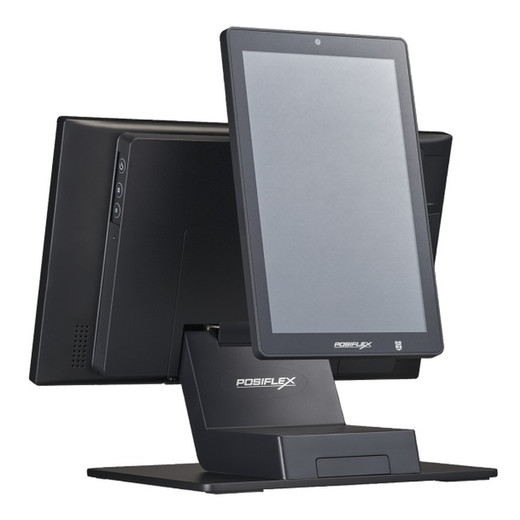
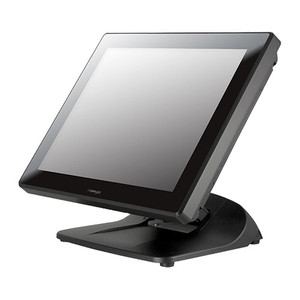
Posiflex 21116000401-US KS6115/KS6315 Memory Upgrade 1GB SODIMM
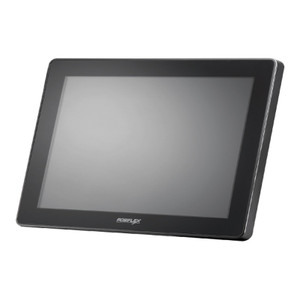
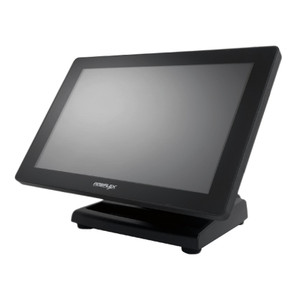
When your Posiflex KS6115 or KS6315 POS terminal starts bottlenecking on transaction processing or struggling with multi-application environments, memory constraints are often the culprit. This 1GB SODIMM module provides a direct upgrade path for installers managing point-of-sale deployments where performance degradation impacts customer throughput and system reliability.
Key Features
- OEM-specified memory upgrade designed specifically for Posiflex KS6115 and KS6315 terminal models
- 1GB SODIMM form factor ensures compatibility with compact POS terminal architecture
- Addresses memory-related performance issues in multi-application retail environments
- Straightforward installation for field upgrades without requiring terminal replacement
- Extends viable service life of existing POS infrastructure
- Supports stable operation with modern POS software and peripheral loads
Retail and hospitality environments increasingly demand more from POS terminals—multiple payment applications, inventory lookups, loyalty program integrations, and real-time reporting all competing for system resources. When you're troubleshooting slow transaction times or application crashes on KS6115/KS6315 deployments, insufficient RAM is frequently the root cause. This upgrade module addresses that constraint directly, allowing existing terminals to handle expanded workloads without the cost and complexity of full hardware replacement.
For integrators managing large-scale POS deployments, field-upgrading memory offers significant advantages over device replacement. You avoid the labor costs of reconfiguring new terminals, preserve existing network and software configurations, and eliminate downtime associated with full system swaps. The module's compatibility with both KS6115 and KS6315 models simplifies inventory management when supporting mixed terminal environments. Installation follows standard SODIMM procedures—power down, access the memory slot, seat the module, and verify recognition at boot. This upgrade provides a cost-effective path to extending deployment lifecycles while maintaining performance standards your end users expect.