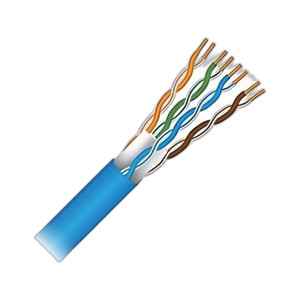
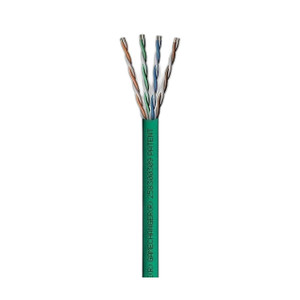
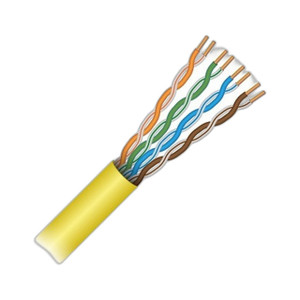
Paige Electric 9P234C62B1 CAT6 CMP Plenum Cable
Overview
The Paige Electric 9P234C62B1 is a 23 AWG solid-conductor CAT6 cabling solution designed for plenum-rated backbone and horizontal runs in fire-code-sensitive environments. Supplied in 1000-foot bulk format on a wooden spool, this cable is engineered for large-scale infrastructure builds, data center migrations, and campus network deployments where fire safety compliance is non-negotiable and solid-conductor performance drives installation decisions.
Key Features
- 23 AWG Solid Conductor: Solid copper construction delivers superior signal integrity over longer backbone runs (typically 100m+) compared to stranded alternatives. The tradeoff is reduced flexibility—solid conductor is stiffer, so termination density in patch panels requires more horizontal space and tighter radius planning during installation. If your runs are short (under 50m) or extremely constrained, stranded CAT6 may be more practical.
- CMP Plenum Rating: The white jacket meets National Electrical Code (NEC) fire safety requirements for air-handling spaces. This means you can run it above drop ceilings, through plenums, and in HVAC return-air paths without conduit protection. Skipping this specification in plenum environments invites code violations and liability—verify your jurisdiction's adoption of the NEC before assuming CMP is required everywhere.
- 1000-Foot Bulk Spool: Single continuous run eliminates mid-span splicing on backbone segments. For large campuses or multi-floor data centers, this reduces labor and eliminates a potential signal-degradation point. However, 1000 feet is heavy (~50–60 lbs depending on spool construction) and requires mechanical pulling equipment for efficient deployment. Hand-pulling this spool often creates kinks and jacket stress, particularly in tight conduit or through walls.
- TIA-568B Compatibility: The cable terminates to standard RJ45 connectors and integrates into structured cabling systems certified to TIA-568B wiring standards. This compatibility ensures interoperability with commercial patch panels, wall outlets, and network infrastructure. Verify that all termination hardware (connectors, patch panels, outlets) is also CMP-rated if the entire run is in plenum space—mixing CMP cable with non-rated termination creates a compliance gap.
- Four-Pair Configuration: Supports full CAT6 bandwidth (up to 250 MHz per TIA-568B), delivering gigabit Ethernet performance and headroom for future 10-gigabit runs if category 6A is not feasible. Pair balance during termination is critical to maintain this performance; poor crimping degrades throughput. Budget skilled labor or pre-terminated assemblies if your team lacks termination experience.
- Backbone and Distribution Use Case: This cable is built for fixed installations where flexing is minimal. Avoid routing it to wall-mounted equipment that may shift, or into conduit systems where the cable moves laterally during thermal expansion and contraction. For dynamic environments (mobile carts, frequent reconfiguration), stranded CAT6 or CAT6A flexline variants are more appropriate.
Installation Considerations
Solid-conductor CAT6 requires careful handling during installation. The 23 AWG gauge is thinner than CAT5e solid, making it less robust against crush damage during pulling. Use a cable puller or reel cart with proper tension controls. Bending radius should not exceed 1 inch (25mm); exceeding this degrades the cable and voids any warranty claims. If conduit is tight or contains multiple other cables, measure bend angles before committing to this spool.
Termination labor is typically 2–3 minutes per end using standard RJ45 crimpers and a punchdown tool. Solid conductor is slightly easier to crimp than stranded (fewer variable wires per pair), but poor technique still results in high error rates. Consider factory-terminated patch cords for critical runs if your team's termination yield is below 85%.
What's in the Box
- 1000 feet of Paige Electric 9P234C62B1 solid conductor CAT6 CMP plenum cable on wooden spool
- White jacket
Frequently Asked Questions
Q: Can I use the 9P234C62B1 in non-plenum spaces?
A: Yes. CMP rating exceeds most non-plenum requirements, so this cable is backward-compatible with general-purpose installations. However, CMP cable typically costs 15–25% more than standard PVC-jacketed CAT6. If plenum compliance is not required, a general-purpose CAT6 alternative may reduce material cost without sacrificing performance in non-plenum runs.
Q: What is the maximum horizontal run distance for the 9P234C62B1?
A: TIA-568B specifies 100 meters (328 feet) as the maximum horizontal run length for any CAT6 cable to maintain full bandwidth and signal integrity. The 1000-foot spool allows multiple runs per box, but each individual run must not exceed 100 meters.
Q: Is the 9P234C62B1 suitable for outdoor use?
A: No. The CMP jacket is rated for indoor plenum environments only. For outdoor runs, use outdoor-rated CAT6 (typically with UV-resistant polyethylene jacketing and direct-burial certification). Exposing this cable to direct sunlight or moisture degrades the jacket and can cause pair separation.
Q: Do I need CMP-rated connectors and outlets if I use the 9P234C62B1?
A: Yes, for full code compliance in plenum spaces. The cable itself is CMP-rated, but the integrity chain includes connectors, patch panels, and wall outlets. A non-rated connector in a plenum path creates a weak point and may violate the NEC. Verify all termination hardware is CMP-rated before installation.
Q: Can I splice this cable mid-run if I run short?
A: Not recommended. Splicing introduces an impedance discontinuity and is prohibited in most commercial installations. If you underestimate distance, order additional bulk cable or source factory-terminated patch cords for the shortfall. Splicing on a backbone run invites troubleshooting nightmares and potential performance loss.
Ted PerryPerspective based on aggregated IP Security Depot and affiliated engineering team experience.
The 9P234C62B1 is a straightforward backbone play for environments where plenum compliance is mandatory and you're pulling long, static runs. The 23 AWG solid conductor delivers the signal integrity you need for 100-meter backbone spans, and the 1000-foot spool eliminates mid-run splices—a real problem solver for multi-floor data center buildouts or campus networks where every dB counts.
Technical Highlights:
- Solid Conductor 23 AWG: Superior attenuation and return loss across the full 250 MHz CAT6 bandwidth compared to stranded alternatives. On a 100-meter backbone run, this translates to measurable headroom for gigabit and future 10-gigabit performance without signal conditioning.
- CMP Jacket Compliance: NEC-compliant fire rating for plenum air-handling spaces eliminates the need for conduit wrapping. Saves roughly 10–15% of installation time on plenum runs by allowing direct ceiling runs without supplementary fire barriers.
- 1000-Foot Bulk Format: One continuous spool supports multiple backbone runs without splicing. For a typical campus, this spool covers 3–4 major backbone segments, reducing termination labor and single points of failure.
Deployment Considerations:
- Solid conductor requires careful cable management during pulling—bend radius exceeding 1 inch (25 mm) causes pair distortion and performance loss. Use mechanical pulling equipment, not hand-pulling over long distances.
- Termination labor assumes skilled technicians with CAT6 crimping experience. A 5% error rate on connectors (one bad termination per spool) is typical for rushed installations—budget quality assurance or factory-terminated patch cords for critical runs.
- The jacket is plenum-rated only; outdoor exposure or direct burial is not compatible. Mixing this cable with non-plenum infrastructure (standard PVC outlets, non-rated connectors) creates code gaps even if the cable itself is compliant.
Position the 9P234C62B1 for backbone and distribution frame installations in data centers and campuses where fire code mandates CMP and you're running 75+ meters per segment. For shorter runs under 50 meters or highly constrained patching environments, stranded CAT6 offers easier termination and similar performance. For outdoor or underground runs, this cable is off the table—source direct-burial or UV-resistant CAT6 instead.