Lenovo 30HT009WUS ThinkStation P3 Tower Gen 2 Workstation
Overview
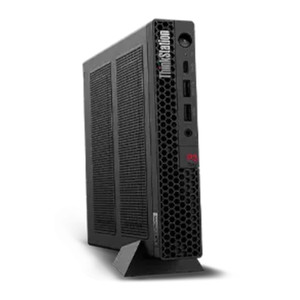
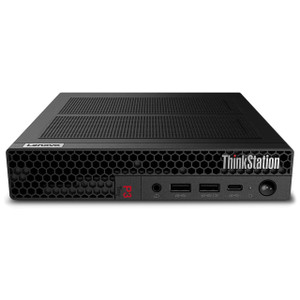
The Lenovo ThinkStation P3 Tower Gen 2, model 30HT009WUS, is a commercial-grade tower workstation built around the Intel Core Ultra 9 285 vPro processor — Intel's current Meteor Lake architecture with hybrid core design, delivering e-cores that boost up to 4.60 GHz. The tower form factor keeps it practical for desk-side deployments where upgradeability and thermal headroom matter more than footprint. At 9.00 lb, it's a standard mid-tower chassis that integrates into existing rack-adjacent or under-desk setups without special mounting considerations.
The Core Ultra 9 285 vPro brings Intel vPro platform manageability to enterprise IT workflows — meaning remote provisioning, hardware-level security features, and out-of-band management are on the table for organizations running centralized device management. For surveillance workstations running VMS software, video analytics processing, or multi-stream decoding, the hybrid core architecture is designed to handle mixed workloads efficiently — background tasks on e-cores, foreground decode and UI rendering on p-cores.
Key Features
- Intel Core Ultra 9 285 vPro: The Meteor Lake hybrid architecture separates efficiency and performance cores. E-cores boost to 4.60 GHz, handling background OS and management tasks without pulling resources from primary workload threads — relevant in always-on surveillance decode environments where background processes compete with live stream processing.
- Tower Form Factor: The standard tower chassis means full-length PCIe card support and accessible internal bays. For surveillance deployments, this translates to GPU add-in card options for accelerated video decoding and available drive bays for local storage expansion without external enclosures.
- vPro Platform: Intel vPro enables hardware-assisted remote management (Intel AMT) — IT can access and remediate the system out-of-band even if the OS is unresponsive. For distributed security operations centers or remote sites, this avoids costly truck rolls for workstation issues.
- Commercial-Grade Build: ThinkStation P-series hardware targets professional workloads and carries ISV certifications for major software platforms. If your video management software vendor publishes a hardware compatibility list, verify the P3 Gen 2 against it before procurement — ISV-certified configurations are typically listed by Lenovo's workstation team.
- 9.00 lb Weight: At 9 lb, the chassis is within the range of standard under-desk tower deployment without special flooring or mounting. Not a rackmount unit — plan accordingly if rack integration is required.
Integration & Compatibility
The ThinkStation P3 Tower Gen 2 fits into enterprise environments running Windows 11 Pro or Pro for Workstations, and the vPro platform integrates with Intel Endpoint Management Assistant (EMA) and third-party UEM solutions. For NVR-adjacent deployments where a software VMS runs on dedicated hardware, confirm GPU and RAM configuration against your VMS vendor's minimum and recommended specs — those vary significantly by channel count and resolution. Lenovo's ThinkStation Configurator and the Lenovo workstation line offer configuration-to-order options for RAM, storage, and GPU.
Note: the 30HT009WUS is a specific configured SKU. Verify the exact RAM, storage, and GPU included in this configuration through the product datasheet or distributor spec sheet before ordering if those details are decision-critical for your deployment.
Frequently Asked Questions
Q: What processor is in the Lenovo 30HT009WUS?
A: The 30HT009WUS is configured with an Intel Core Ultra 9 285 vPro processor, with e-cores boosting up to 4.60 GHz. This is Intel's Meteor Lake hybrid architecture generation.
Q: Is the 30HT009WUS a tower or rack-mount workstation?
A: It is a tower form factor workstation. It is not designed for rack mounting without an optional tower-to-rack conversion kit. At 9.00 lb, it is suited for desk-side or under-desk placement.
Q: What does Intel vPro add to the 30HT009WUS?
A: Intel vPro enables hardware-level remote management via Intel AMT — IT administrators can access the system out-of-band for provisioning, diagnostics, and remediation even when the operating system is unresponsive. This is particularly useful in distributed or remote deployments.
Q: Can the 30HT009WUS run professional VMS or video analytics software?
A: The Core Ultra 9 285 vPro platform is built for professional workloads and is positioned for ISV-certified configurations. However, confirm the specific RAM, GPU, and storage in this SKU against your VMS vendor's hardware compatibility requirements before ordering, as those vary by software and channel count.
Q: What is the weight of the 30HT009WUS?
A: The Lenovo 30HT009WUS weighs 9.00 lb, consistent with a standard mid-tower workstation chassis.
The 30HT009WUS lands in an interesting spot for surveillance infrastructure teams: Intel's Core Ultra 9 285 vPro brings a hybrid core architecture with e-cores boosting to 4.60 GHz, which is the kind of platform you want when a software VMS is running continuous multi-stream decode alongside background management agents, logging, and OS processes. The tower form factor here is a practical choice — not a compromise.
Technical Highlights:
- Intel Core Ultra 9 285 vPro: E-cores boost to 4.60 GHz, handling OS and background threads without competing with primary decode workloads — relevant for always-on multi-camera VMS deployments.
- Tower Chassis: Full-length PCIe slot access and open drive bays mean GPU and storage can be configured or expanded post-deployment — a real factor when camera counts or retention requirements grow.
- vPro AMT: Out-of-band management capability lets IT remediate the workstation remotely even with a hung OS — cuts response time on unattended surveillance server hardware at remote sites.
Deployment Considerations:
- This is a tower unit at 9.00 lb — confirm desk-side or under-desk placement is in scope. Rack integration requires a separate tower-to-rack kit and should be verified for the P3 Gen 2 chassis before ordering.
- The 30HT009WUS is a specific configured SKU. RAM, GPU, and storage are not confirmed in the available evidence — validate those details against your VMS channel count and retention requirements before committing to this SKU.
Best fit: a distributed security operations environment where IT needs remote manageability on dedicated VMS workstations, and where the tower form factor at desk-side locations is preferable to rack-dense deployments.