Panduit FT300-L Fiberglass Insulated Tubing
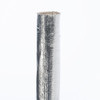
The Panduit FT300-L delivers continuous thermal and abrasion protection for cable assemblies exposed to extreme heat—up to 1,200°F (649°C)—making it the go-to solution for industrial control panels, furnace proximity runs, and datacenter hot-aisle routing where standard sleeving fails. This reflective aluminized fiberglass tubing ships on a 50-foot (15.2 m) reel with a 3-inch nominal inside diameter, sized to bundle irregular-shaped harnesses or retrofit legacy conduit without disassembly. Unlike rigid metal conduit or brittle PVC sleeving, the flexible fiberglass braid conforms to bends and maintains abrasion resistance across the full service life, eliminating the chafing failures common in vibration-heavy environments like elevator machine rooms and mechanical equipment spaces.
Key Features
- 1,200°F (649°C) continuous temperature rating handles furnace proximity, engine compartments, and industrial kiln wiring without degradation
- 3-inch (76.2 mm) nominal inside diameter accommodates large cable bundles, irregular harness shapes, and multi-conductor assemblies in a single protective sleeve
- 50-foot (15.2 m) reel length supports full rack-to-rack datacenter runs or multi-zone industrial installations without mid-run splicing
- Reflective aluminized outer layer reduces radiant heat absorption and provides visual traceability in low-light mechanical spaces
- Flexible fiberglass construction conforms to tight bends and irregular routing paths where rigid conduit cannot follow
- Continuous abrasion resistance protects against cable jacket wear in vibration-prone environments—elevator hoist ways, HVAC plenums, conveyor systems
High-temperature wire protection typically forces a choice between rigid metal conduit (expensive, labor-intensive, inflexible) and flexible sleeving that fails under sustained heat exposure. The FT300-L bridges that gap: the woven fiberglass braid maintains structural integrity at temperatures that melt standard nylon or polyethylene sleeving, while the aluminized reflective coating reduces radiant heat transfer from adjacent hot surfaces. The 3-inch diameter is deliberately oversized for irregular harness shapes—think mixed-gauge power and control bundles in industrial panels, or retrofit jobs where you're sleeving over existing connectors without cutting them off. You thread the tubing over the assembly, cinch the ends with high-temp zip ties or stainless hose clamps, and you're done. No conduit bending, no disassembly, no threading individual conductors. In datacenter hot-aisle applications, the silver reflective finish also serves as a visual marker for critical power feeds, reducing the chance of accidental disconnect during maintenance.
Fiberglass tubing sees heaviest deployment in three contexts: industrial control panels where VFD output cables run near transformers or resistor banks (120–400°F ambient), furnace and kiln proximity wiring for limit switches and igniters (sustained exposure above 800°F), and datacenter/server room cable management where hot-aisle temperatures spike during cooling system failures or maintenance windows. The 50-foot reel length eliminates mid-run splices—a single reel covers a full 42U rack vertical run plus horizontal tray routing to the next rack, or a long industrial machine run from the control enclosure to the motor terminal box. For integrators managing large cable pulls, the reel format also reduces waste: you cut to exact length on-site rather than stocking pre-cut segments that never quite match the as-built dimensions. Panduit ships this SKU in cartons of two reels, making it a cost-effective stock item for contractors handling multiple high-temp retrofit projects or maintenance teams supporting industrial facilities with recurring cable protection needs.
The FT300-L is UL recognized (component recognition per UL 1441 for polymeric wire and cable sleeving) and meets NEC Article 334 requirements for cable protection in exposed work. The 1,200°F continuous rating exceeds the thermal limits of standard silicone or fiberglass sleeving (typically 500–700°F), positioning this tubing for the extreme-heat applications where other flexible protection options simply cannot survive. For integrators dealing with insurance-mandated cable protection upgrades, industrial equipment OEM specifications, or datacenter Tier III/IV construction standards that call out high-temp cable management, the FT300-L provides a field-proven, code-compliant solution that installs faster than rigid conduit and outlasts every flexible alternative.