APC by Schneider Electric ACCU30102 30kW InRow Condensing Unit 480V Dual Feed
Overview
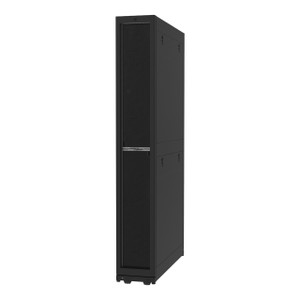
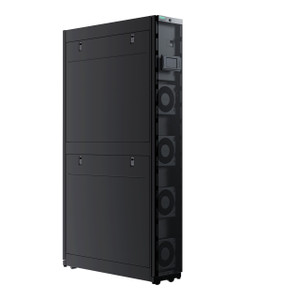
The APC by Schneider Electric ACCU30102 is a 30kW outdoor condensing unit designed to pair with InRow direct-expansion cooling systems in high-density data center and server room environments. Running on 460–480V dual-feed power with a 65KAIC short-circuit current rating, this unit is built for installations where electrical resilience and thermal capacity are non-negotiable. At 600 lbs and measuring 61.2" H × 39.4" W × 39.4" D, the ACCU30102 is sized for rooftop or ground-level outdoor placement, feeding refrigerant to an indoor InRow DX air handler positioned directly in the hot aisle or cold aisle containment zone.
For data center architects evaluating APC by Schneider Electric cooling solutions or engineers specifying precision cooling equipment, the ACCU30102 represents the outdoor half of a split DX system — the component that rejects heat extracted from server rows to the outside environment.
Key Features
- 30kW Condensing Capacity: At 30 kilowatts of heat rejection, this unit is sized for medium-to-high-density row deployments — enough to support a populated row of blade chassis or high-core-count servers without the thermal headroom constraints you'd hit with a smaller unit. If your per-row IT load exceeds 20kW average, this is the tier to specify.
- 460–480V Dual Feed: Dual electrical feed means you can wire this condenser to two independent power sources — if one feed drops, the unit maintains operation. For Tier III or Tier IV data centers where cooling continuity is as critical as compute uptime, this eliminates the condenser as a single point of failure on the electrical side.
- 65KAIC Short-Circuit Current Rating: A 65,000-ampere interrupting capacity rating means this unit's internal overcurrent protection can safely clear a bolted fault at the panel without destroying the equipment or creating a fire hazard. Facilities running high-capacity 480V distribution panels need to verify AIC ratings match the available fault current — at 65KAIC, the ACCU30102 is rated for most commercial and industrial electrical services without requiring additional current-limiting fuses upstream.
- Outdoor Rated to -20°C: The unit is specified for outdoor installation in climates down to -20°C (−4°F), covering the majority of North American and Northern European deployment zones. This eliminates the need for supplemental winter controls in most cold-weather markets — the compressor and refrigerant circuit are engineered to start and run in sub-zero ambient conditions.
- 600 lb Engineered Weight: At 600.01 lbs, structural planning is required before placement. Rooftop installations must verify live-load ratings; ground pads must be engineered for point-load distribution. This is standard practice for any commercial condensing unit in this capacity class, but the weight is worth confirming early in the mechanical coordination process.
- InRow System Integration: The ACCU30102 is specifically designed to work within the APC InRow DX ecosystem — refrigerant piping, controls wiring, and system commissioning are engineered around the matched indoor air handler. Mismatched refrigerant circuits or non-InRow air handlers are not supported configurations.
Integration and Compatibility
The ACCU30102 functions as the outdoor condensing section of an APC InRow DX split system. It requires a compatible InRow DX indoor unit for refrigerant circuit completion. Electrical connection is 460–480V three-phase with dual-feed capability — confirm your facility's electrical service voltage and available fault current against the 65KAIC rating before finalizing the single-line diagram. Refrigerant line sets, controls interconnect wiring, and commissioning are typically performed by a licensed HVAC/R contractor familiar with commercial DX systems. For data center infrastructure planning, coordinate the condenser placement with mechanical and structural engineers early — the 39.4" × 39.4" footprint and 600 lb operating weight are the two site constraints that most often require revision in retrofit projects. This unit is not compatible with chilled water or economizer-only cooling architectures.
Frequently Asked Questions
Q: What indoor unit does the ACCU30102 pair with?
A: The ACCU30102 is the outdoor condensing unit in an APC InRow DX split system. It requires a compatible APC InRow DX indoor air handler to complete the refrigerant circuit. Consult APC's InRow system documentation or a pre-sales engineer to confirm the correct matched indoor unit for your heat load and room configuration.
Q: What voltage does the ACCU30102 require?
A: The ACCU30102 operates on 460–480V, making it suited for facilities with 480V three-phase electrical service — standard in most North American commercial and data center environments. Verify your local service voltage and panel capacity before ordering.
Q: Can the ACCU30102 be installed in cold climates?
A: Yes. The ACCU30102 is rated for outdoor operation down to -20°C (−4°F), which covers most North American and Northern European climates without requiring additional low-ambient controls in most cases. Verify local winter design temperatures against this rating for sites in extreme northern climates.
Q: What does the 65KAIC rating mean for my electrical installation?
A: The 65KAIC (65,000-ampere interrupting capacity) rating indicates the unit's internal overcurrent protection can safely interrupt a fault at up to 65,000 amps of available short-circuit current. Your electrical engineer should verify that the available fault current at the connection point does not exceed this rating — a mismatch can result in equipment damage or fire during a fault event.
Q: How much does the ACCU30102 weigh, and what are its dimensions?
A: The ACCU30102 weighs 600.01 lbs and measures 61.2" H × 39.4" W × 39.4" D. Structural coordination — rooftop load ratings or ground pad engineering — should be completed before installation.
Q: Is the ACCU30102 a standalone cooling unit?
A: No. The ACCU30102 is the outdoor condensing half of a split DX system. It does not provide cooling on its own — it must be paired with a compatible APC InRow DX indoor air handler and a complete refrigerant circuit installation to function.
The ACCU30102 comes up in projects where the data center team has committed to APC InRow DX architecture and needs to spec the outdoor half of the split system. The 30kW capacity and 65KAIC electrical rating are the two numbers that drive most of the site coordination work — 30kW sets your maximum supportable IT row load, and 65KAIC determines whether your upstream electrical panel needs current-limiting devices or not before you can legally connect this unit.
Technical Highlights:
- 30kW Heat Rejection: This is the ceiling for the entire InRow DX circuit it serves. If your row's IT load is trending toward 25–30kW average, you're at the edge of this unit's capacity — plan for the next system size up if growth is expected within the next refresh cycle.
- Dual-Feed 460–480V: Dual feed at 480V is a meaningful resilience feature for facilities that have invested in A/B power distribution to their mechanical systems. A single-feed condenser is a single point of failure for the entire row it serves — this unit eliminates that.
- 65KAIC Interrupting Capacity: Most 480V commercial services in the 2,000–4,000A range present available fault currents well within 65kA, so this rating will clear coordination checks at most sites without requiring additional upstream current-limiting fuses — a common cost adder on lower-rated equipment.
Deployment Considerations:
- At 600 lbs and a 39.4" × 39.4" footprint, get structural sign-off on rooftop placement before the equipment ships — this is not a unit you want sitting in receiving while the structural engineer is still reviewing the roof load drawings.
- The -20°C outdoor rating covers the cold-start scenario, but verify your refrigerant circuit line set length and insulation against APC's InRow DX installation guide — oversized line sets or inadequate insulation degrade capacity and can cause commissioning failures regardless of the condenser rating.
The ACCU30102 is the right call for a 480V data center row where the InRow DX indoor unit is already specified, the facility has dual-feed mechanical power distribution, and the site is in a climate where winter ambient temperatures drop below -10°C. That combination — dual feed, 65KAIC clearance, cold-weather rating, and 30kW capacity — is exactly what this unit is engineered for.