HID 2050PNNMN-H10307B1 iCLASS Keyfob 2K/2 Programmable
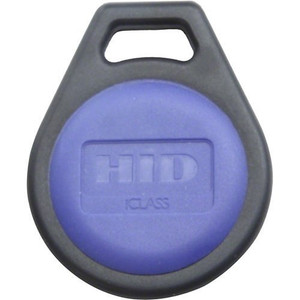
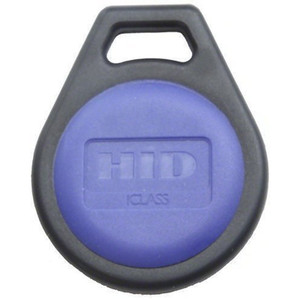
When your access control deployment requires contactless credentials that balance security with user convenience, the HID iCLASS keyfob delivers 13.56 MHz smart card technology in a compact form factor. This programmable keyfob provides 2K bit memory with two application areas, allowing you to segment access privileges or integrate multiple applications on a single credential—reducing the number of tokens end users need to carry while maintaining logical security boundaries between systems.
Key Features
- 2K bit (2 application areas) memory structure supports multi-application deployments
- 13.56 MHz contactless technology for reliable read range and performance
- Programmable credential allows site-specific encoding and application customization
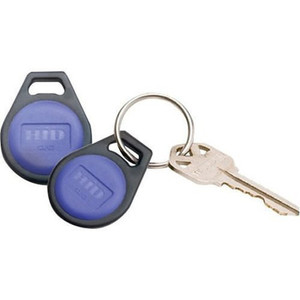
- Compact keyfob form factor attaches easily to keychains or lanyards
- iCLASS platform compatibility integrates with existing HID ecosystems
- Durable enclosure designed for daily use in commercial environments
- Supports HID's secure identity object (SIO) data model when used with compatible readers
- H10307 format option provides standardized 35-bit credential data structure
The two-application architecture gives you deployment flexibility—dedicate one area to physical access and another to logical access, cashless vending, time and attendance, or other applications. This segmentation prevents credential cross-contamination and simplifies system administration when multiple platforms share the same token. The programmable nature means you can encode site codes, facility codes, and cardholder data to match your existing access control database without requiring pre-encoded inventory management.
The keyfob format solves the practical problem of credential visibility and accessibility. Unlike proximity cards that require wallet retrieval, keyfobs stay attached to key rings where users naturally reach during entry scenarios—improving throughput at high-traffic access points while reducing forgotten credential incidents. The contactless interface eliminates mechanical wear points common in legacy contact-based systems, reducing credential replacement cycles and ongoing operational costs. For integrators managing multi-tenant facilities, educational campuses, or corporate environments where users already carry keys, this form factor delivers the lowest adoption friction while maintaining the security standards required for modern access control systems.