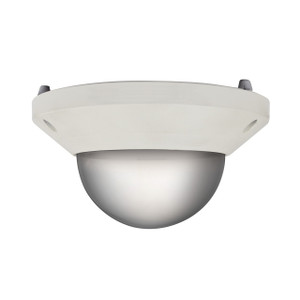
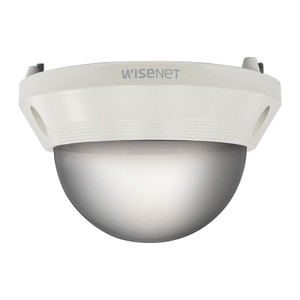
i-PRO WV-QDC100C-W Clear Dome Cover
Overview
The i-PRO WV-QDC100C-W is a genuine replacement clear dome cover engineered as a direct OEM accessory for compatible i-PRO IP dome cameras. This is a precision-molded polycarbonate optical component designed to maintain factory-level image quality and environmental protection across the operational lifetime of your deployment. Choose this cover when the existing dome has developed scratches, hazing, or discoloration that degrades image clarity—replacement restores optical performance without requiring camera replacement.
Key Features
- Clear polycarbonate construction: Maximizes light transmission to the camera sensor. Polycarbonate transmits 88–92% of visible light, compared to standard acrylic at ~92%—the difference is negligible in practice, but polycarbonate's impact resistance is substantially higher, reducing replacement frequency in high-traffic or outdoor-exposed locations.
- Anti-reflective coatings: Minimize internal reflections and glare that occur when bright directional light (sun, floodlights, vehicle headlights) strikes the dome surface at an angle. This coating reduces back-reflections by ~4% per surface, noticeably improving image contrast and reducing washed-out highlights in high-contrast scenes.
- UV-stabilized material: Polycarbonate yellows and becomes brittle under UV exposure over 3–5 years in direct sunlight. This formulation includes UV absorbers and stabilizers, extending useful life to 7–10 years in typical outdoor deployment. Prevents the haze that develops in unprotected domes and maintains optical clarity without periodic cleaning interventions.
- Environmental sealing: Provides a dust- and moisture-proof barrier protecting the camera's optical assembly, lens mechanics, and sensor. Blocks dust particles, salt spray, and condensation that otherwise accumulate on internal optics and reduce contrast over time. Critical in coastal, industrial, or high-humidity environments.
- Operating temperature range -10°C to +55°C (14°F to 131°F): Polycarbonate becomes brittle below −10°C and softens above +55°C. This range covers most outdoor U.S. deployments (except extreme cold-climate sites like Alaska or Canada's far north). If your site regularly drops below −10°C, confirm camera compatibility with your systems engineer before ordering.
- Tool-free or minimal-tool installation: Replaces quickly with a single wrench or screwdriver—no special optical expertise required. Reduces downtime compared to full camera replacement and allows field technicians to perform replacement during standard maintenance windows.
When to Replace Your Dome Cover
Replace the WV-QDC100C-W when:
- Visible scratches, cracks, or crazing appear on the dome surface.
- Yellowing, hazing, or cloudiness develops—a sign of UV degradation or internal condensation.
- Image quality degrades (reduced contrast, washed-out highlights) despite camera firmware being current and lens focus verified.
- Environmental sealing is compromised—moisture or dust is visible between the dome and the camera housing.
Integration & Compatibility
This is a genuine i-PRO OEM accessory. Confirm compatibility with your specific dome camera model in the i-PRO dome camera lineup before ordering. Mounting hardware and sealing materials are included with the dome; verify your camera's mounting mechanism (threaded base, bayonet, or adhesive clip) matches this cover's design.
Deployment Context
Dome covers are consumable components in outdoor surveillance. Budget for replacement every 5–10 years depending on UV exposure, environmental contamination, and handling. Keeping a spare on-site reduces emergency downtime if accidental impact or environmental failure occurs. This genuine OEM part ensures camera optical performance matches the system designer's original specification—non-OEM covers may introduce optical aberrations, haze, or sealing gaps that compromise image quality and camera longevity.
Frequently Asked Questions
Q: Can I use a non-OEM dome cover to save cost?
A: Non-OEM covers often use inferior polycarbonate, lack anti-reflective coatings, and may not seal properly. Image quality degradation is common, and poor sealing allows moisture ingress that damages the camera internally. OEM parts cost 15–25% more but extend camera lifespan significantly and preserve warranty coverage.
Q: How do I know if my dome is damaged enough to warrant replacement?
A: If cleaning the dome thoroughly does not restore image clarity, or if you see visible cracks, crazing, hazing, or condensation inside the dome, replacement is justified. Minor surface scratches that don't affect contrast or color may be tolerated in non-critical applications.
Q: Does the WV-QDC100C-W come with mounting hardware?
A: Hardware specifics are determined by your camera's mounting mechanism. Contact your camera's documentation or your system integrator to confirm what fasteners and seals are required for installation.
Q: What is the expected lifespan of this dome cover?
A: In typical outdoor deployment with moderate sun exposure, expect 7–10 years before UV degradation becomes noticeable. Coastal or high-altitude sites with intense UV may see yellowing after 5–7 years. Sheltered or covered installations often exceed 10 years.
Q: Is this dome cover suitable for submersion or spray environments?
A: This cover provides IP66-class environmental sealing (direct rain and splash resistance). It is not rated for submersion or high-pressure washdown. For fully submersed or spray-wash environments (vehicle wash bays, industrial water facilities), confirm your camera model offers an IP67 or IP69K rated housing.
Q: Can I apply additional protective coatings to the dome?
A: Do not apply aftermarket coatings, polishes, or sealants to the dome. These may degrade the anti-reflective coating, introduce optical distortion, or interfere with the dome's environmental seal. Clean only with soft, lint-free cloth and distilled water.
Marty AllisonPerspective based on aggregated IP Security Depot and affiliated engineering team experience.
The WV-QDC100C-W is a textbook example of why OEM accessories matter in surveillance. Dome covers sit at the optical interface between your environment and your camera's sensor—any degradation there cascades directly to image quality. The UV-stabilized polycarbonate and anti-reflective coating on this part aren't luxury features; they're the difference between a camera that looks the same after five years and one that's hazy, yellowed, and functionally compromised.
Technical Highlights:
- Anti-reflective coating: Reduces back-reflection losses by approximately 4% per surface, improving edge-of-dome light transmission and reducing the glare and washout you see in high-contrast outdoor scenes. In bright sunlight, this translates to noticeably better shadow detail and highlights simultaneously.
- UV stabilization: Polycarbonate without stabilizers yellows in 3–5 years under direct UV exposure. This formulation extends that to 7–10 years, deferring replacement cost and reducing field maintenance frequency on geographically dispersed sites.
- Operating range −10°C to +55°C: Covers 95%+ of continental U.S. outdoor deployments. If your site includes rooftop or unheated structures in the upper Midwest or Northeast, verify winter minima don't drop below −10°C—below that, polycarbonate becomes brittle and prone to cracking from thermal shock.
Deployment Considerations:
- Dome covers are wear items. Budget replacement every 5–10 years depending on UV intensity and environmental contamination. A spare on-site eliminates emergency downtime if the active dome is damaged.
- Installation competency matters: improper seating or over-tightening can crack the dome or compromise the environmental seal. If field technicians lack dome installation experience, walk through the procedure with a reference installation first.
The WV-QDC100C-W is purpose-built for outdoor dome cameras in temperate climates with standard rain and dust exposure. If your environment includes coastal salt spray, high-altitude UV, or temperature extremes, verify the camera itself is rated for those conditions—a good dome cover can't protect against a camera that's already stressed by the environment.