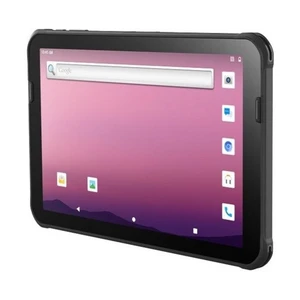
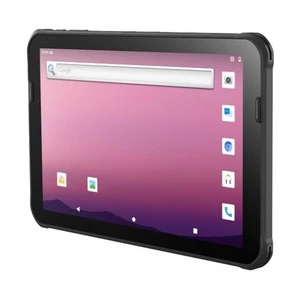
Honeywell EDA10A-00B091N21RK B1 Rugged Mobile Computer
The EDA10A-00B091N21RK B1 is a purpose-built mobile computer for field operations in warehousing, last-mile delivery, and distribution logistics. Built on the proven Honeywell EDA10A platform, this unit combines processing power, environmental durability, and multi-band connectivity into a single form factor designed to handle high-volume scanning, inventory capture, and data synchronization across facilities where infrastructure varies and device reliability directly impacts productivity.
Key Features
- Qualcomm Snapdragon 2.2 GHz processor: Handles real-time barcode scanning, image processing, and simultaneous multi-app workflows without stuttering. Adequate for moderate on-device analytics and local database queries — particularly useful when processing batches of transactions before network sync.
- 4 GB RAM memory: Sustains warehouse management system (WMS) apps, scanning clients, and background services without memory pressure. Sufficient for mid-to-high transaction volume in picking, packing, and receiving workflows without noticeable lag between scans.
- microSD expandable storage: Captures barcode imagery, shipping labels, or proof-of-delivery photos locally. Enables offline-first operations in facilities with WiFi dead zones or intermittent network access, then syncs when connectivity returns.
- IP65 environmental rating: Dust and direct water jets won't disable the device — critical for outdoor loading docks, rain-exposed shipping areas, and wet-floor warehouse environments. Not submersion-rated; avoid full-water immersion in hose-down or wash-down scenarios — escalate to IP67 for those deployments.
- 1.3 m (4.3 ft) drop rating: Survives concrete and asphalt impacts from hand height. Reduces device loss and replacement costs when units change hands dozens of times per shift in fast-paced picking operations.
- Cellular connectivity (5G Sub-6, 4G LTE): Operates independently of WiFi infrastructure. Eliminates dependency on facility radio access points and removes blind spots common in large multi-building campuses. LTE fallback ensures continuity if 5G coverage is unavailable in specific facility zones.
- WiFi 6 (802.11a/b/g/n/ac/ax) and Bluetooth 5.2: Supports both legacy and modern wireless protocols. WiFi 6 throughput benefits sites with dozens of concurrent devices; Bluetooth 5.2 pairs with warehouse accessories (label printers, scale interfaces) with lower latency than older Bluetooth versions.
- 16 MP camera with night vision: Captures high-fidelity barcode scans, shelf photographs for inventory verification, and asset tagging in low-light dock and warehouse conditions. Night vision enables operation in storage areas or overnight receiving without supplemental lighting.
Integration & Warranty
This unit is a genuine Honeywell mobile computer platform device, maintaining full mechanical and electrical compatibility across the EDA10A family. OEM parts eliminate compatibility risk and preserve manufacturer warranty coverage — a practical advantage when deploying across dozens of devices where third-party alternatives introduce unpredictable failure modes and warranty gaps.
The EDA10A-00B091N21RK B1 (often searched as EDA10A 00B091N21RK B1) integrates with standard enterprise WMS platforms and transport management systems (TMS) via ONVIF-compatible APIs and native mobile OS support. Standardizing on Honeywell accessories simplifies fleet logistics, reduces training burden, and accelerates device replacement cycles when compared to mixed-brand deployments.
When to Choose an Alternative
If your deployment requires full submersion tolerance (wash-down operations, outdoor rain exposure with complete water immersion), upgrade to an IP67-rated variant within the EDA10A family. If operations occur exclusively on hardwired WiFi networks with zero coverage gaps, cellular capability adds cost; verify facility topology before justifying the investment. For ultra-lightweight handheld deployments, confirm the unit's weight aligns with ergonomic requirements in your shift-based workflow.
Frequently Asked Questions
Q: Does the EDA10A-00B091N21RK B1 work with all EDA10A accessories and docking stations?
A: Yes. This unit is fully compatible with the EDA10A platform ecosystem, including charging cradles, vehicle mounts, and extension modules. Verify your charging dock part number matches the EDA10A family specification.
Q: Will using a genuine Honeywell device preserve my equipment warranty?
A: Yes. OEM Honeywell devices maintain full manufacturer warranty coverage. Third-party or aftermarket devices may void extended support agreements.
Q: Can the EDA10A-00B091N21RK B1 operate on 4G LTE only if 5G coverage is unavailable?
A: Yes. The device automatically falls back to 4G LTE in areas without 5G coverage, ensuring continuous connectivity across legacy and modern network infrastructure.
Q: Is the 16 MP camera sufficient for barcode scanning accuracy?
A: Yes. 16 MP resolution supports high-fidelity barcode capture at typical warehouse scanning distances (6–12 inches). Night vision enables low-light dock and receiving area operation without external lighting.
Q: What happens if the device is dropped from shelf height?
A: The 1.3 m (4.3 ft) drop rating covers hand-height and shelf-height drops onto concrete or asphalt. Drops from greater heights or onto sharp edges may cause damage outside the rated specification.
Q: Can data be stored locally if network connectivity drops?
A: Yes. The microSD expandable storage supports local transaction staging and offline-first workflows. When connectivity returns, the device syncs captured data to your backend systems.
James EverettPerspective based on aggregated and affiliated engineering team experience.
The EDA10A-00B091N21RK B1 is a solid choice for mid-to-large distribution operations where device durability and multi-band connectivity directly reduce total cost of ownership. The Snapdragon 2.2 GHz processor and 4 GB RAM combination is neither bleeding-edge nor underpowered — it's calibrated for WMS and TMS workloads at typical transaction volumes. What matters most here is the IP65 rating paired with the 1.3 m drop tolerance: in a facility where 50+ devices change hands daily, accidental failures and water exposure add up fast. The cellular fallback (5G Sub-6 and 4G LTE) also deserves attention in multi-building campuses or outdoor receiving areas where WiFi coverage is unreliable or nonexistent.
Technical Highlights:
- Qualcomm Snapdragon 2.2 GHz + 4 GB RAM: Sufficient for concurrent WMS app, barcode scanner client, and background sync without memory swap or app crashes. Don't expect real-time on-device machine learning analytics — that requires a faster processor, but for transactional warehouse work, this is fit-for-purpose.
- IP65 + 1.3 m drop rating: Real-world advantage in shipping docks and picking aisles. IP65 handles direct water jets and dust; 1.3 m covers typical hand-height drops. Not submersion-proof, so avoid hose-down scenarios — IP67 is the escalation path if that's a requirement.
- 5G Sub-6 and 4G LTE with WiFi 6: Triple connectivity eliminates single points of failure. A facility with mixed WiFi coverage can rely on cellular in dead zones. LTE fallback is critical for continuity — 5G isn't universal yet in warehouse footprints.
- 16 MP camera with night vision: Barcode capture clarity is good at typical scanning distances. Night vision is the differentiator for overnight receiving or storage areas without supplemental lighting — no additional light equipment needed.
Deployment Considerations:
- IP65 is not IP67: verify that your docks and receiving areas don't require submersion tolerance. If personnel hose down equipment or devices get submerged, escalate to IP67 within the EDA10A family.
- Cellular cost and carrier lock-in: 5G Sub-6 and 4G LTE capability increases device price and requires active cellular contracts. In a facility with reliable, enterprise-grade WiFi everywhere, cellular is overhead — budget accordingly and confirm business case before fleet deployment.
- 4 GB RAM is adequate, not generous: in extremely high-transaction environments (1,000+ scans per device per shift), monitor memory usage and test with your WMS client under load. If you're running legacy WMS apps or heavy background sync, push back on processor/memory earlier rather than discovering it post-rollout.
Position this unit in facilities where durability, multi-band fallback connectivity, and barcode capture fidelity matter more than processing performance. Typical wins: mid-to-large third-party logistics (3PL) operations, e-commerce fulfillment networks with outdoor staging areas, and multi-building distribution centers where WiFi is patchy. Skip it if you need IP67 submersion, ultra-lightweight handheld operation, or real-time edge analytics.