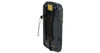
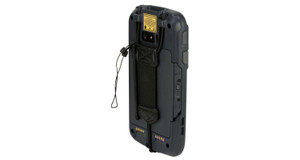
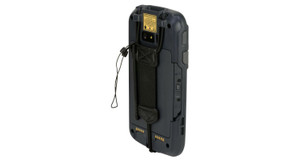
Honeywell CT60-CB-UVN-1 Enterprise Handheld Mobile Computer
The Honeywell CT60-CB-UVN-1 (often searched as CT60 CB UVN 1) is a rugged, enterprise-grade handheld mobile computer engineered for high-throughput data capture in warehouse, manufacturing, logistics, and field service environments. This device pairs next-generation wireless connectivity with industrial durability—delivering the processing power and network speed that mission-critical operations demand without compromising reliability in drop-prone, moisture-heavy settings.
Key Features
- Qualcomm QCS6490 Octa-Core 2.7 GHz processor: Handles complex warehouse management applications, barcode scanning, real-time data synchronization, and image-heavy workflows (asset verification photos, equipment inspection reports) without lag or stalling. This matters for facilities processing large transaction volumes or running multiple apps simultaneously.
- WiFi 6E (802.11 a/b/g/n/ac/ax) connectivity: Delivers faster, more stable wireless access than legacy WiFi standards. In dense warehouse environments with multiple access points, WiFi 6E reduces network congestion and maintains connectivity even in high-traffic zones, eliminating the dead spots that plague older 802.11ac deployments.
- 5G Sub-6 GHz and mmWave support: Enables seamless integration as 5G infrastructure rolls out regionally. For field teams and remote logistics hubs, this removes dependency on WiFi and provides backup connectivity where coverage gaps exist—a real operational safeguard.
- 8 GB RAM and 128 GB flash storage with microSD expandability: Sufficient memory to run multiple applications without slowdown. microSD expansion is critical if you need to store large offline databases or cached inventory records for extended off-network operation.
- 5.5-inch FHD display (2160 x 1080) with Gorilla Glass 5: Delivers sharp readability for QR codes, small text, and photo verification across varying lighting conditions. Gorilla Glass 5 resists scratches from daily handling and abrasive warehouse environments, directly reducing display replacement costs compared to unprotected alternatives.
- IP65/IP68 ingress protection with 1.8 m (6 ft) drop rating: IP65 handles splash and light dust; IP68 (in select configurations) tolerates brief submersion. The 6-foot drop rating means accidental falls onto concrete or pallets won't trigger warranty claims—a significant cost driver when managing fleets of hundreds of devices. This durability far exceeds consumer-grade handhelds.
- Night vision and day/night imaging capability: Enables round-the-clock asset verification, outdoor receiving dock operations, and after-hours cycle counting without supplemental lighting infrastructure. Essential for 24/7 warehouses or facilities with outdoor inventory zones where lighting is unreliable or costly to install.
- Bluetooth 5.2 for peripheral integration: Pairs reliably with external barcode scanners, thermal printers, and RFID readers. Bluetooth 5.2 delivers extended range and improved stability in crowded RF environments compared to earlier versions, reducing pairing failures and re-pairing labor.
- Android operating system on Honeywell ScanPal platform: Provides enterprise-grade device management, security controls, and app deployment without consumer app store intermediaries. You can push app updates, enforce security policies, and remotely lock or wipe devices directly—reducing IT overhead and improving deployment speed.
- Lightweight at 309 g (10.9 oz): Reduces wrist and shoulder fatigue during full-shift scanning operations. For workers scanning thousands of items daily, lighter weight directly impacts productivity and reduces repetitive strain injury claims—a real operational benefit over heavier alternatives.
Integration & Compatibility
The CT60-CB-UVN-1 integrates with major warehouse management systems (WMS) and enterprise resource planning (ERP) platforms via standard APIs. The Honeywell ScanPal platform supports containerized application deployment, simplifying adaptation to existing warehouse workflows. Night vision imaging supports asset verification and inventory reconciliation processes requiring visual documentation without adding external lighting hardware.
When to Choose a Different Model
If your primary need is longer battery life for extended outdoor routes without charging access, or if you require submersion-rated durability beyond IP68, consider alternative models within the mobile computers family with enhanced battery or higher IP ratings. If you need a simplified, lower-cost device for light scanning duty (barcode-only, no imaging), a basic handheld may be more appropriate. The CT60-CB-UVN-1 is purpose-built for operations combining heavy data capture, imaging workflows, and connectivity demands.
Frequently Asked Questions
Q: Is the CT60-CB-UVN-1 compatible with existing barcode scanners and printers in our warehouse?
A: Yes. The Bluetooth 5.2 radio pairs with any Bluetooth-enabled barcode scanner or thermal printer certified for enterprise use. Compatibility depends on the peripheral's Bluetooth implementation—verify your scanner or printer's Bluetooth profile with the manufacturer, but pairing across major brands (Zebra, Honeywell, Intermec) is standard.
Q: What is the expected battery life on a single charge?
A: Battery life depends on usage intensity (screen brightness, WiFi/5G activity, app load) and typically ranges from 8–12 hours under moderate warehouse use. Refer to the device datasheet for detailed power profiles under different network and application scenarios.
Q: Can the CT60-CB-UVN-1 operate outdoors at night without external lighting?
A: Yes. The built-in night vision and day/night imaging capability enable outdoor asset verification and cycle counting without supplemental lighting. Image clarity depends on ambient light and IR illumination—test in your specific outdoor environment to confirm readability for QR codes or asset tags.
Q: Does the device support remote management and security wiping?
A: Yes. The Honeywell ScanPal platform includes mobile device management (MDM) capabilities, allowing you to remotely deploy apps, enforce security policies, and wipe the device if lost. Integration with enterprise MDM solutions (Intune, Jamf, MobileIron) is standard via standard APIs.
Q: What happens if the device is dropped on a concrete warehouse floor?
A: The CT60-CB-UVN-1 is rated for 1.8 m (6 ft) drops. A drop from typical warehouse heights (loading dock, pallet racks) onto concrete should not damage the device. However, drop protection has limits—impact velocity and angle affect outcome. Test drops are typically performed on steel test surfaces; real-world concrete or edge impacts may vary.
Q: Is the CT60-CB-UVN-1 available with different storage capacities?
A: The device ships with 128 GB internal flash storage and supports microSD card expansion. If you need additional permanent storage for large offline databases, install a microSD card (capacity depends on availability and your IT policy).
Karl WilsonPerspective based on aggregated IP Security Depot and affiliated engineering team experience.
The CT60-CB-UVN-1 is built for operations that can't afford dead spots or device failures. The Qualcomm QCS6490 processor paired with 8 GB RAM is a solid foundation for warehouse-scale transaction processing, and the WiFi 6E + 5G dual connectivity handles real-world handoff scenarios most competitors ignore. Night vision is a practical feature—it lets you run cycle counts or receiving operations 24/7 without infrastructure investment in outdoor lighting.
Technical Highlights:
- Qualcomm QCS6490 + 8 GB RAM: Multi-app performance without stalling; handles image capture and WMS sync concurrently. This processor tier is intentional—it's not oversized for simple scanning, but it's necessary if you're doing asset photo verification or inspection reports alongside barcode capture.
- WiFi 6E + 5G Sub-6/mmWave: Dual fallback is the operational win here. WiFi 6E in-building, 5G for outdoor or remote hubs. Most handheld competitors force you to choose; the CT60 transitions seamlessly. That matters for receiving docks or outdoor yard operations where WiFi is unreliable.
- IP65/IP68 + 1.8 m drop rating: Six-foot drop tolerance eliminates the anxiety of fleet-wide device damage. IP65 is splash-safe (warehouse hose-downs, rain); IP68 (where available) adds brief submersion. Real cost savings when you're managing 50+ devices—drop claims add up fast.
- 5.5-inch FHD display + Gorilla Glass 5: 2160 x 1080 resolution is necessary for QR codes in low light; Gorilla Glass 5 resists scratches from warehouse abrasion. Not premium glass, but it's industrial-grade and lasts longer than uncoated alternatives.
- Night vision + day/night imaging: Built-in IR camera removes the need for external lighting or separate imaging devices. Round-the-clock asset verification becomes a software problem, not a hardware/infrastructure problem.
Deployment Considerations:
- Battery life trade-off: 5G radio and FHD display are power-hungry. Expect 8–12 hours under moderate use (WiFi on, scanning active, medium screen brightness). If your operation requires 12+ hour shifts without charging, you'll need a spare device or charging dock—common practice in large warehouses.
- Bluetooth pairing in RF-dense environments: Bluetooth 5.2 is solid, but Bluetooth is inherently short-range and susceptible to interference from WiFi, 5G, and multiple simultaneous connections. If you're deploying 50+ devices in a 100,000 sq ft facility with many access points, test Bluetooth scanner pairing range in your actual environment before full rollout.
- MDM requirement: The ScanPal platform's management features require integration with an MDM solution (Intune, Jamf, MobileIron) or Honeywell's own management console. Consumer-grade device management will not cut it in a warehouse fleet—plan for IT overhead.
The CT60-CB-UVN-1 is the right choice for operations combining heavy-volume scanning, imaging workflows, 24/7 operations, and outdoor exposure. It's over-specified for simple barcode reading (and costs more), and under-specified for extreme submersion or frigid environments (below –20°C). But for a mid-to-large warehouse running WMS with asset verification, night shifts, and mixed indoor/outdoor tasks, it removes most hardware bottlenecks from the equation.