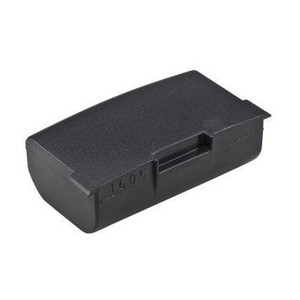
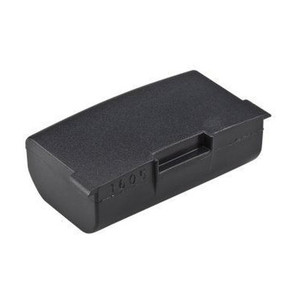
Honeywell 318-055-012 OEM Replacement Battery for Mobile Computers
The Honeywell 318-055-012 is a genuine OEM replacement battery engineered to restore full operational capability to compatible Honeywell enterprise mobile computing devices. This manufacturer-certified battery is the critical consumable in any mobile computer fleet support program—battery failures strand workers, interrupt warehouse operations, and can trigger warranty disputes if third-party alternatives are used instead.
Key Features
- Genuine OEM Manufacturing: Built to exact Honeywell specifications means zero compatibility guesswork. Third-party batteries introduce charging failures, device damage, and immediate warranty voidance—a costly risk when your fleet depends on consistent uptime across retail, warehouse, and logistics operations.
- Preserves Safety Certifications and Warranty: Using the 318-055-012 maintains all original manufacturer safety certifications, regulatory approvals, and warranty coverage. Non-OEM replacements can void device warranties and create liability exposure in regulated environments (healthcare, government, logistics). Honeywell will deny warranty claims tied to unauthorized battery use, leaving your organization responsible for repair costs.
- Restores Original Runtime: Battery capacity degrades with use—typically 20% loss after 2–3 years of daily cycling. The 318-055-012 restores the original power delivery and runtime characteristics, critical when your mobile workforce operates multi-shift deployments or works in areas without frequent charging access (large warehouses, outdoor field routes). Degraded third-party batteries amplify this problem unpredictably.
- On-Site Replacement Reduces MTTR: Stocking the 318-055-012 in your parts inventory enables your IT team to swap batteries without factory returns or extended device downtime. A 15-minute battery swap beats a 2–3 day repair cycle; for a warehouse running 24/7 or a retail operation with high device utilization, this difference directly impacts labor productivity and customer service.
- Fleet-Scale Supply Chain Reliability: Sourcing genuine Honeywell parts eliminates supply chain inconsistency and performance variance that plague mixed-battery deployments across large fleets. Enterprises managing 50+ devices benefit from predictable battery lifecycles and straightforward replacement scheduling.
- Budget-Friendly Preventive Maintenance: Proactive battery rotation costs far less than emergency repairs or device replacement triggered by battery failure. Integrating the 318-055-012 into your scheduled maintenance program extends overall device lifespan and reduces total cost of ownership.
Integration & Compatibility
The 318-055-012 is designed as a drop-in replacement for specific Honeywell mobile computer models—verify your device model against Honeywell's official compatibility documentation before ordering. Installing an incompatible battery can cause charging failures, device damage, or thermal issues. If you manage a mixed fleet, cross-reference each device SKU before adding inventory; mismatched batteries create support overhead and downtime.
Stocking genuine replacement batteries is standard practice in enterprise mobile computing support programs. A typical fleet buffer stock should equal 15–25% of your active device count—this reserve handles simultaneous battery failures without pulling devices from service. For a 100-device warehouse operation, maintain 15–25 spare units; for retail chains with 500+ devices, scale accordingly.
Deployment Considerations
Battery degradation is predictable: monitor charge cycles and runtime across your fleet. After 500–1000 full charge cycles (roughly 2–3 years of heavy daily use), schedule fleet-wide rotation to fresh 318-055-012 units. This prevents cascading failures that create unplanned downtime during peak operational periods. Document battery replacement dates in your asset management system so you can anticipate refresh cycles and budget accordingly. For enterprises running round-the-clock operations, battery failures during night shifts or weekends are especially costly—maintaining a healthy spare inventory eliminates these surprises.
Frequently Asked Questions
Q: How do I verify that the 318-055-012 is compatible with my specific Honeywell mobile computer model?
A: Cross-reference your device model number with Honeywell's official compatibility matrix or contact Honeywell support directly. Installing an incompatible battery can cause charging failures or device damage, so verification is essential before ordering.
Q: Will using a non-OEM battery void my Honeywell device warranty?
A: Yes. Honeywell explicitly voids warranty coverage for devices damaged by or charged with unauthorized batteries. This leaves your organization responsible for all repair costs, which often exceed the cost of OEM battery inventory.
Q: What is a typical battery replacement schedule for enterprise mobile computers?
A: Battery capacity degrades roughly 20% after 2–3 years of daily heavy use. Monitor runtime performance and plan fleet-wide 318-055-012 rotations every 2–3 years or when you observe consistent runtime drops below 80% of original specs.
Q: How many spare 318-055-012 batteries should I stock for my fleet?
A: Maintain a buffer equal to 15–25% of your active device count. For a 100-device fleet, stock 15–25 units; this ensures you can handle simultaneous failures without removing devices from service.
Q: Does the 318-055-012 include charging cables or mounting hardware?
A: No. The unit is supplied as a single replacement battery. Installation requires only device battery compartment access; no additional tools, cables, or hardware are included.
Q: Can I mix OEM and non-OEM batteries across my fleet?
A: Not recommended. Mixed battery deployments introduce inconsistent runtime performance, support complexity, and warranty confusion. Standardize on OEM parts (318-055-012) across your entire fleet for predictable uptime and simplified replacement schedules.
Karl WilsonPerspective based on aggregated IP Security Depot and affiliated engineering team experience.
The 318-055-012 is table-stakes inventory for any IT team managing Honeywell mobile computers at scale. Battery failures are predictable consumables—the question isn't whether your fleet will need replacements, but whether you'll be ready or scrambling. Stocking genuine OEM units eliminates three serious headaches: warranty denial, runtime variance, and support complexity.
Technical Highlights:
- OEM-exact engineering: Built to Honeywell's original specifications, not reverse-engineered or near-equivalent. This matters because device charging logic is calibrated to OEM battery chemistry and thermal profiles. Mismatches cause slow charging, premature capacity loss, or device firmware errors.
- Warranty preservation: Using the 318-055-012 maintains manufacturer coverage; third-party alternatives trigger immediate warranty denial. In regulated industries (healthcare, government, logistics), warranty voidance creates compliance and liability exposure that often exceeds the cost of OEM batteries across an entire fleet.
- Predictable lifecycle: OEM batteries degrade in known patterns—roughly 20% capacity loss after 2–3 years of daily use. This lets you plan fleet rotations before cascading failures occur. Non-OEM batteries degrade unpredictably, making preventive maintenance impossible.
Deployment Considerations:
- Buffer stock scales with fleet size and shift coverage. For continuous operations (24/7 warehouses, retail chains), a 20–25% reserve eliminates unplanned downtime from battery failures during peak shifts or after-hours when replacement is hardest.
- Watch out: incompatible models. The 318-055-012 works only with specific Honeywell device lines. Cross-reference your model before ordering—installing a wrong battery creates charging failures and complicates device troubleshooting.
The 318-055-012 makes most sense for enterprises running 50+ Honeywell mobile computers in high-utilization scenarios (24/7 warehouse operations, large retail chains, field service fleets). If you're managing a small fleet (under 20 devices) with light use, you may get away with ad-hoc replacements, but the moment you hit multi-shift operations, the cost of a single device failure (lost productivity, warranty repair, parts delay) exceeds the investment in proactive battery inventory. For anyone running warehouse automation or logistics operations, this is not optional.