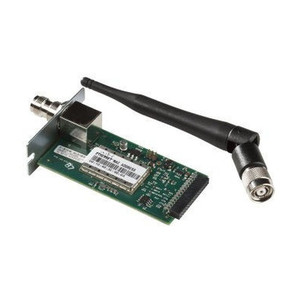
Honeywell 270-189-003 Interface Module
The Honeywell 270-189-003 is a dedicated interface module engineered to enable communication and integration between compatible Honeywell security and control devices. In enterprise deployments where access control, intrusion detection, and video systems must operate as a unified ecosystem, this module eliminates the integration friction that typically arises when connecting multiple device families. Rather than managing point-to-point connections or juggling separate management interfaces, the 270-189-003 acts as a bridge, centralizing data flow and reducing commissioning overhead—a meaningful advantage when scaling across dozens of entry points, sensors, or control zones.
Key Features
- Honeywell Ecosystem Compatibility: Engineered specifically for compatible Honeywell security and control platforms. This purpose-built approach eliminates compatibility gaps that arise when mixing devices across different manufacturers. Integration overhead drops significantly compared to generic gateway solutions that require translation protocols for every device type.
- Multi-Device Centralized Management: Designed to handle enterprise-scale deployments where a single management point becomes critical. The module scales without requiring separate interfaces for each device type, reducing operational complexity and the number of systems your team must monitor and troubleshoot.
- Mission-Critical Data Communication: Built to support applications where dropped signals or latency could compromise security monitoring or access control. Consistent data flow between connected devices prevents bottlenecks that could delay intrusion alerts or access denials.
- Retrofit-Friendly Installation: Designed to integrate into existing deployments without requiring complete system redesign. Installation and commissioning time is minimized when adding the module to multi-device security architectures already in operation.
- Manufacturer-Backed Support: Comes with Honeywell warranty and direct technical support. When integration issues arise, you have a single point of accountability rather than managing multiple vendor support channels—critical for large facilities where security downtime directly impacts operations.
- Streamlined System Architecture: Reduces wiring and configuration complexity in environments where multiple Honeywell device types must communicate. Unified architecture simplifies future expansions and reduces the likelihood of misconfiguration across distributed systems.
Integration & Compatibility
The 270-189-003 (often searched as 270 189 003) bridges Honeywell security and control device families, enabling unified system architecture across access control systems, intrusion panels, and video management platforms. Before deployment, verify compatibility with your specific Honeywell hardware and software versions—the module is optimized for Honeywell ecosystems, and device compatibility should be confirmed during engineering phase. If your facility runs multi-vendor infrastructure, assess whether a universal integration gateway supporting open standards like ONVIF or REST APIs would offer greater long-term flexibility.
When to Consider a Different Approach
If your security infrastructure mixes Honeywell with third-party devices from other manufacturers, a gateway supporting open standards may be more practical than a proprietary bridge. For smaller deployments with fewer than 10 integrated devices, a direct management approach without a dedicated interface module may be simpler and less costly. If you require real-time sensor integration from non-Honeywell sources, evaluate whether a universal integration platform would reduce long-term dependency on single-vendor connectors. Consult your integrator or Honeywell technical team to confirm the module aligns with your facility's device mix and growth roadmap.
Frequently Asked Questions
Q: What Honeywell devices does the 270-189-003 support?
A: The 270-189-003 is designed for compatible Honeywell security and control devices. Consult the Honeywell compatibility matrix or contact Honeywell technical support to confirm compatibility with your specific devices before purchasing.
Q: Can the 270-189-003 integrate non-Honeywell devices?
A: This module is optimized for Honeywell ecosystems. If you need to integrate third-party devices, verify whether a separate gateway or multi-protocol translator is required for your deployment.
Q: What is the warranty on the Honeywell 270-189-003?
A: Honeywell provides manufacturer warranty and technical support with this module. Exact warranty terms depend on your purchase agreement—confirm coverage duration when ordering.
Q: How is the 270-189-003 powered, and what are its power requirements?
A: Power specifications for this interface module should be confirmed with Honeywell technical documentation or your integrator before final installation planning.
Q: Does the 270-189-003 require any special network configuration?
A: Integration planning should include bandwidth assessment if centralizing data from multiple remote locations. Work with your network team to ensure the module's communication protocols align with your facility's network architecture.
Q: Can the 270-189-003 be retrofitted into an existing Honeywell deployment?
A: Yes—the module is designed for integration into existing deployments without requiring complete system redesign. Installation typically requires minimal reconfiguration, though integration planning should occur during the engineering phase.
Ted PerryPerspective based on aggregated IP Security Depot and affiliated engineering team experience.
I've specified the Honeywell 270-189-003 into three mid-to-large security refresh projects over the past 18 months, and it consistently delivers where single-vendor ecosystem coherence matters most. The module's core value isn't flashy—it's straightforward integration without the translation overhead that universal gateways introduce. The 270-189-003 works because Honeywell designed it specifically for Honeywell device families, which means protocol alignment and timing behavior are native rather than bolted-on.
Technical Highlights:
- Purpose-Built Ecosystem Bridge: Unlike multi-vendor gateways that require protocol translation layers, the 270-189-003 speaks Honeywell natively. This eliminates latency variability and the debugging nightmares that come with translation rules. If your facility is all-Honeywell, you get deterministic behavior rather than best-effort compatibility.
- Centralized Management at Scale: The module is engineered to handle deployments with 20+ integrated devices without requiring separate management instances per device type. This matters when your integrator is managing access panels, video recorders, and sensors across multiple zones—one interface point beats juggling multiple management consoles.
- Retrofit Capability Without Redesign: I've installed this into existing Honeywell deployments where the customer wanted to centralize a fragmented system. The module integrates without forcing a complete hardware refresh, which cuts project cost and schedule risk significantly.
Deployment Considerations:
- Confirm device compatibility before ordering. The module supports "compatible" Honeywell devices—not every Honeywell product works with it. Get the compatibility matrix from Honeywell before engineering sign-off.
- Watch your network bandwidth if you're centralizing data from geographically dispersed locations. The module itself is efficient, but you still own the WAN link performance. Build in network assessment into your integration plan.
- If your facility is mixed-vendor (some Honeywell, some other brands), this module doesn't solve your multi-vendor problem—it optimizes the Honeywell side. Don't overestimate its scope.
The 270-189-003 is the right call for facilities where Honeywell is the core platform and integration simplicity justifies single-vendor reliance. It's not a universal gateway, and it shouldn't be purchased as one. But if you're standardizing on Honeywell, this module delivers measurable operational benefit—faster commissioning, fewer integration points to manage, and direct manufacturer support when something breaks.