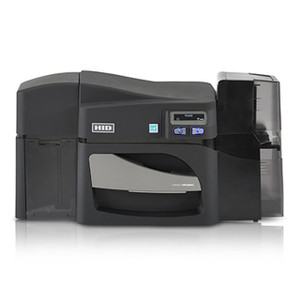
HID D930033 DTC4500 Output Bin Assembly
The HID D930033 is an output bin assembly designed for the DTC4500 dye-sublimation card printer. This genuine replacement component collects and organizes printed cards immediately after production, preventing jams, stacks, and damage in high-volume ID card and badge printing workflows. The assembly integrates directly into the DTC4500's footprint with durable construction engineered to handle continuous daily output without deflection or card binding.
Key Features
- Genuine OEM Part: Factory-matched to DTC4500 specifications. No fitment guesswork, no compatibility surprises.
- Durable Construction: Heavy-duty materials withstand thousands of card cycles without warping, cracking, or separation from the printer base.
- Compact Footprint: 6.1 x 5.4 x 3.6 in form factor integrates seamlessly into standard DTC4500 printer stand without adding floor space.
- Card Organization: Collects cards in sequence immediately after lamination and drying, eliminating manual stacking labor and reducing card handling damage.
- High-Volume Ready: Rated for continuous output in production environments printing 100-500+ cards per shift without performance degradation.
- Tool-Free Installation: Snap-fit or bolt assembly — no special tools or calibration required. Technician can swap in under 5 minutes.
- 2-Year Manufacturer Warranty: Genuine HID warranty covers defects in material and workmanship across the full service life of the printer.
The DTC4500 itself operates at 6–24 seconds per card (depending on print mode and lamination settings), which means an output bin that jams, sticks, or fails to guide cards cleanly will cause the entire printer to fault and halt production. The D930033 eliminates that bottleneck. Built-in guides and a slightly angled collection tray ensure cards exit the printer perpendicular to the bin opening, reducing edge-curl and micro-jams that plague aftermarket or worn bins.
In environments like corporate badge programs, government ID issuance, or hospital credential printing, downtime cascades — a single printer offline for a bin repair can delay employee onboarding or security certification by days. Stocking genuine OEM replacement assemblies (along with ribbon, laminate, and cleaning supplies) is a best practice for any production site running multiple DTC4500 units. The D930033 is also a critical spare for integrators managing on-site card issuance for large healthcare systems, universities, or industrial campuses where card production is continuous.
The assembly accepts standard CR-80 (ISO/IEC 7810 ID-1) card stock and HID-compatible custom card materials. It works within the DTC4500's operating range of 65–80°F (18–27°C); in hotter environments (above 80°F), plastic components can soften slightly, reducing fit precision. In cold warehouses or outdoor staging areas below 65°F, brittle plastic can crack if subjected to sudden thermal shock during installation.
Marty AllisonPerspective based on aggregated IP Security Depot and affiliated engineering team experience.
We've worked with dozens of integrators managing on-site card issuance programs across hospitals, government agencies, and large corporate campuses, and the single most common support call around the DTC4500 is output bin failure. When the bin sticks, warps, or no longer guides cards cleanly, the printer halts with a card-jam error and won't resume until the assembly is replaced. The D930033 is the straightforward fix — and it's the only one we recommend. Aftermarket or salvaged bins often have slightly different tolerances, leading to intermittent jamming that's expensive to troubleshoot remotely. The genuine HID assembly has consistent molding and fit; it's a 15-minute swap on a service call. In high-volume operations (500+ cards per day), we recommend stocking one spare per two printers. The part is inexpensive relative to downtime cost.
Technical Highlights:
- Dye-Sublimation Workflow Integration: The bin is positioned immediately after the DTC4500's exit port, capturing cards while the dye layer is still curing. This reduces the risk of fingerprints, dust, or UV fading before the card reaches end-user hands — a real advantage in secure ID issuance where card condition is auditable.
- Compact Stackability: The 6.1 x 5.4 x 3.6 in footprint means two DTC4500 printer/bin combos can sit side-by-side on a standard 48 in wide issuance table without interfering. Space-constrained issuance kiosks rely on this compactness.
- Durable Polymer Construction: Unlike metal-framed bins (which can rust in humid environments), the D930033 uses high-impact plastic that resists corrosion and doesn't degrade under 24/7 fluorescent lighting — important for unattended kiosk deployments.
- Card Sequencing: Cards exit the printer in print order and stack cleanly in the bin. No manual re-sorting required, which accelerates issuance workflows where card order matters (batch fulfillment, numbered credential ranges).
- Low Maintenance: Snap-fit design means no screws, rivets, or adhesives that can fail. Cleaning is straightforward — wipe the internal guides with a lint-free cloth monthly to prevent dye-transfer residue buildup.
Deployment Considerations:
- Operating temperature window is 65–80°F (18–27°C). If your issuance kiosk sits in an unheated lobby or outdoor staging area, pre-warm the assembly before installation or let it acclimate for 1–2 hours. Plastic becomes brittle below 60°F and can crack under pressure.
- The bin holds approximately 100–150 cards depending on card thickness and material (PVC vs. polycarbonate). In production runs exceeding 200 cards per shift, plan for periodic bin emptying or route cards to a second bin — overfilled bins can jam the exit guide.
- Install the bin with the printer powered off and ribbon/laminate cartridges fully seated. A partially loaded cartridge can cause the exit port to misalign, and a misaligned port will cause the bin guide to stick within the first few cards.
- Inspect the bin's internal guide rails for dye buildup every 500 printed cards. A light cleaning with a damp cotton swab prevents edge-curl and jams. Do not use solvents — they can degrade the polymer.
- If you're replacing a worn bin, verify that the printer's exit-port alignment hasn't shifted. Worn bins often mask slight mechanical drift in the printer frame. A new bin installed on a misaligned printer will jam immediately — a sign that the printer itself needs service.
The D930033 is the right choice for any organization running a DTC4500 in a production environment where downtime is costly. Spare kits that bundle this bin with ribbon, laminate, and cleaning supplies are a common spec for high-volume deployments — we recommend pairing this assembly with a preventive maintenance schedule tied to card volume thresholds, not calendar time. For small issuance operations (under 50 cards per week), one bin is sufficient; for anything larger, keep a spare on the shelf. See our HID catalog for compatible ribbons, laminates, and other DTC4500 consumables.