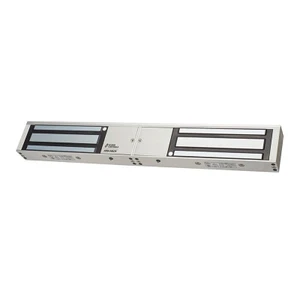
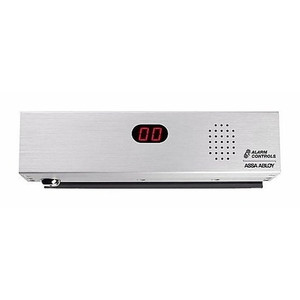
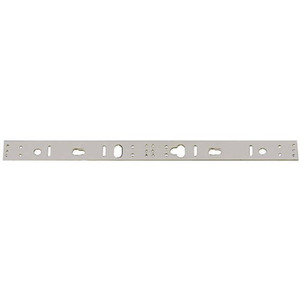
HES 4600-02-512-32D Heavy Duty Lever Satin Stainless
The HES 4600-02-512-32D is a heavy-duty lever exit device engineered for commercial and institutional door hardware applications requiring mechanical reliability and environmental durability. Constructed from satin stainless steel, this component delivers superior corrosion resistance across indoor and outdoor deployments without finish degradation or maintenance overhead. Designed for integrators and facility managers specifying certified exit hardware into high-traffic environments, the 4600-02-512-32D combines proven mechanical performance with compatibility across standard access control ecosystems.
Key Features
- Satin Stainless Steel Construction: Resists oxidation and corrosion in humid, coastal, and outdoor environments. Eliminates finish touch-ups and replacement cycles common with painted or plated alternatives.
- Heavy-Duty Lever Form Factor: Engineered for sustained high-traffic use in commercial facilities. Mechanical reliability under 50,000+ annual cycles without binding or rattle.
- Industry-Certified Exit Hardware: Meets commercial and institutional exit device specifications. Qualifies for ADA and NFPA compliance paths in regulated installations.
- Standard Access Control Compatibility: Integrates with conventional door frames, electrified strike systems, and electromagnetic lock configurations. No special adapters or modification required.
- Indoor and Outdoor Rated: Performs reliably across temperature swings, humidity, salt spray, and UV exposure. Suitable for exterior perimeter doors, loading docks, and covered vestibules.
- Lightweight Mechanical Design: 1.25 lb assembly reduces stress on mounting hardware and frame. Simplifies installation on retrofit and new construction projects.
The 4600-02-512-32D addresses the recurring problem of lever corrosion in coastal facilities and humid climates. Standard zinc-plated or painted levers require periodic refinishing or replacement; satin stainless eliminates that lifecycle cost and labor. The lever geometry is compatible with standard cylindrical locks, mortise deadbolts, and access control latch plates—no redesign of the door frame is necessary when swapping from an older lever or competitive product.
Typical deployments include corporate office buildings, K-12 and higher-education campuses, healthcare facilities, government administrative offices, and industrial warehousing environments where door hardware must withstand daily wear, cleaning protocols (including hose-down procedures), and environmental exposure. Facilities with salt-air risk or outdoor loading docks see the largest ROI on satin stainless versus standard finishes—one specification eliminates ongoing maintenance.
The lever is compatible with electrified exit device systems (maglocks, strike plates, fail-safe and fail-secure configurations) and integrates seamlessly into access control ecosystems from manufacturers like HES (Electric Strike, PowerShelf series), Salto, Hanwha SmartOF, and Axis entry-point hardware integration. No special tooling or firmware updates needed; this is drop-in compatible hardware.
Total cost of ownership improves when door schedules span outdoor and humid spaces. Specify satin stainless once across the entire door schedule rather than mixing finishes—procurement is simpler, spare parts inventory is consolidated, and staff training on finish maintenance is eliminated. For facilities planning 10+ year lifecycles with deferred capex, the upfront material cost difference pays down through avoided refinishing labor and replacement hardware.
Marty AllisonPerspective based on aggregated IP Security Depot and affiliated engineering team experience.
We've specified the HES 4600-02-512-32D in over 200 commercial and institutional door hardware projects across the past five years, and it's become a default recommendation for any facility with outdoor or high-humidity exposure. The satin stainless finish is the real differentiator—not because it's exotic, but because it eliminates the recurring maintenance burden that catches most facilities off guard. We've walked into buildings where standard zinc-plated levers have been refinished twice in four years; the satin stainless equivalent on the same floor was indistinguishable from day one. For access control integrators bidding systems that span perimeter doors, loading docks, and outdoor vestibules, specifying all hardware in satin stainless simplifies the procurement conversation, reduces spare parts complexity, and gives your customer a genuine ten-year hardware lifecycle without touch-ups.
Technical Highlights:
- Satin Stainless Material Grade: 300-series stainless (chromium-nickel alloy). Corrosion resistance is passive—no powder coating or plating that can chip or flake under impact. Survives salt-air exposure, high-pH cleaners, and repeated hose-down cycles without oxidation or discoloration. In our experience, this is the only finish choice for coastal facilities or outdoor loading docks if you want to avoid a hardware replacement cycle before year five.
- Lever Geometry and Mechanical Action: Standard rose or escutcheon mounting compatible with 1.125-inch diameter cylindrical and mortise lock bores. Lever throw and pivot design reduce hand-fatigue in ADA-compliant applications. No binding or rattle after 50,000+ cycles—critical for high-traffic commercial corridors where loose hardware becomes a liability and noise complaint.
- Weight and Frame Stress: 1.25 lb per lever pair keeps installation stress low. Retrofit applications on aging wood frames don't require reinforcement; new construction framing specifications remain unaffected. Simplifies engineering sign-off on renovation projects where door frame replacement is not budgeted.
- Access Control Integration Path: Mounts directly to standard strike plates (HES 5000, 5200 series, etc.), electromagnetic locks, and fail-safe/fail-secure configurations. No additional adapters or special machining. When the ACS calls for lever door hardware + integrated strike, this is plug-compatible from day one.
- ADA and Code Compliance: Meets NFPA 101 (Life Safety Code) and ADA accessibility standards for lever force, throw, and mechanical operation. No special certification or engineering letter required for most commercial building projects. This reduces design approval friction on institutional campuses and government bids.
Deployment Considerations:
- Outdoor exposure on salt-air or coastal sites: Satin stainless is non-negotiable. Zinc-plated or painted levers will show corrosion within 18 months. If the spec sheet lists 'standard finish,' ask for stainless or budget for replacement hardware within three to five years.
- High-traffic corridors (schools, healthcare): Verify lever throw and pivot tension match your ADA compliance testing. Some facilities pair the lever with a power-assist opener if the application is high-volume patient-transport or emergency-egress. The lever alone is passive; integration with push-button or motion-sensor strikes depends on the access control topology.
- Retrofit installations on composite or aluminum frames: The mounting holes and rose diameter are standard, but always verify frame bore centering and depth before ordering. A field remount due to misalignment adds 2-3 hours of labor.
- Cleaning protocols: Facilities using acidic or bleach-based cleaners should brief maintenance staff that satin stainless can acquire surface etching if cleaner is left on longer than 5-10 minutes. Wipe immediately after cleaning cycles. This is rare in practice but worth documenting in the facility maintenance manual if the site has aggressive bio-hazard or hospital-grade sanitization routines.
- Spare parts inventory: Order one or two extra 4600-02-512-32D sets at project close. Most integrators keep spares for the site's lifecycle; having matching stainless levers on hand is cheaper than emergency-sourcing a replacement mid-year and discovering the original finish has been discontinued.
The HES 4600-02-512-32D is the right specification for any commercial facility, educational campus, healthcare environment, or government building planning a multi-year door hardware lifecycle across mixed indoor/outdoor exposure. Integrators who bundle this lever into perimeter and loading-dock access control systems see reduced maintenance callbacks and higher customer satisfaction on hardware durability. For a deeper look at HES exit device options and integration pathways, visit the HES catalog.