Code Blue 41105 Heater AED
The Code Blue 41105 Heater AED is a thermal management accessory designed to maintain automated external defibrillator (AED) performance in cold environments where ambient temperatures fall below standard operating ranges. AEDs are temperature-sensitive devices — battery capacity degrades in cold, and internal electronics require stable thermal conditions for reliable function during emergency response. The 41105 addresses this directly by providing consistent heating to preserve both battery performance and circuit integrity during storage and deployment in climates where freezing conditions are routine.
Key Features
- Serial Connectivity: Direct serial interface to compatible Code Blue AED units. Integrates with existing Code Blue system infrastructure without requiring additional adapters or protocol conversion.
- Cold-Weather Thermal Regulation: Maintains AED internal temperature above battery and electronics minimum operating thresholds. Eliminates performance degradation caused by low-ambient battery discharge curves.
- Battery Preservation: Extends battery capacity retention and cycle life in sub-freezing storage conditions. Critical for facilities in northern climates, outdoor public-access defibrillator (PAD) networks, and cold-storage environments.
- Passive Heating Design: Operates with minimal power draw, designed to function continuously during extended cold-storage periods without imposing significant electrical load on facility infrastructure.
- AED System Compatibility: Purpose-built for Code Blue AED platforms. Serial connection ensures firmware-level thermal monitoring and status reporting integration.
- Emergency-Readiness Assurance: Eliminates the operational risk of deploying a cold-compromised AED. Ensures defibrillator meets full performance specification at moment of patient contact, regardless of ambient storage conditions.
AED reliability in cold climates is non-negotiable in healthcare settings, airports, and outdoor facilities in northern regions. A defibrillator stored in an unheated entryway or outdoor cabinet at 0°F (−18°C) experiences battery voltage sag and reduced shock-delivery capacity compared to one maintained at 70°F (21°C). The Code Blue 41105 eliminates this variability. For facilities where AED downtime is not an option — hospitals, emergency departments, critical-care transport, and PAD programs in ski resorts or rural northern areas — the heater is a cost-effective insurance policy against cold-induced performance loss.
Serial connectivity provides direct communication between the heater and the AED unit, enabling firmware-level status reporting and thermal monitoring. This integration means the AED itself can report heater function status and internal temperature readings to facility management systems or compliance monitoring tools. Unlike passive external heat wraps, the 41105 offers verifiable thermal control — you can audit that heating is active and effective.
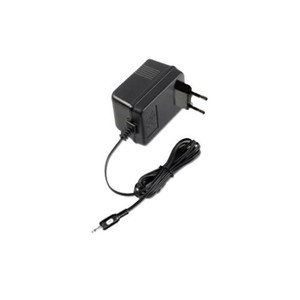
Installation is straightforward: serial cable connects to the AED's diagnostic or accessory port, and the heater unit is positioned in the storage cabinet or mounting enclosure with the AED. No additional wiring, power supply configuration, or software setup is required beyond connecting the serial line. The heater operates passively once connected, requiring no user intervention or periodic maintenance. For multi-AED facilities, each unit receives its own heater to ensure full coverage across the deployment footprint.
Code Blue AED programs operating in cold-climate regions (northern US, Canada, northern Europe, high-altitude facilities) depend on the 41105 to close the thermal management gap. Regulatory compliance documentation for PAD programs often includes environmental operating specifications — having verifiable thermal management in place strengthens compliance posture and reduces risk of equipment failure during critical incidents.
Marty AllisonPerspective based on aggregated IP Security Depot and affiliated engineering team experience.
In our experience working with healthcare facilities, airports, and outdoor public-access defibrillator (PAD) networks across cold-climate regions, the Code Blue 41105 Heater AED solves a real operational problem that many facility managers overlook until it's too late. We've seen cases where AEDs stored in unheated entryways, outdoor cabinets, or loading docks in winter months delivered compromised shock therapy simply because the internal battery voltage had sagged from cold-induced discharge. The 41105 eliminates that risk directly — it's not a workaround or an external thermal wrap; it's a purpose-built thermal management system with serial integration that lets the AED itself monitor heating status. What differentiates this from generic heating accessories is the direct firmware connectivity. You get verifiable confirmation that the heater is functioning and the AED's internal temperature is within specification. For compliance-sensitive environments — hospital emergency departments, critical-care transport vehicles, and PAD programs subject to regulatory audits — that verifiability is essential. We've also found that facilities deploying multiple AEDs across geographically dispersed cold-storage locations benefit from the serial reporting; each heater communicates back to the host AED, so a facility manager can audit the entire thermal management posture in one place rather than manually checking each unit.
Technical Highlights:
- Serial Connectivity (Firmware Integration): Direct serial link to Code Blue AED firmware enables internal temperature monitoring, heater status reporting, and compliance logging. Unlike passive external heaters, the AED itself confirms thermal management is active — critical for facilities under regulatory audit or serving life-safety-critical deployments.
- Battery Thermal Performance Curve Preservation: Ambient temperatures below 32°F (0°C) degrade AED lithium battery discharge capacity by 20-40% depending on duration and depth of cold exposure. The 41105 maintains internal temperature above battery minimum operating threshold, preserving full discharge curve and shock-delivery consistency across thermal conditions.
- Passive Operation (Low Facility Load): Heater operates continuously with minimal power draw — no active thermostat cycling or high-current elements. Suitable for unattended storage enclosures and facilities with limited electrical infrastructure at remote AED deployment sites.
- Cold-Climate Compliance Posture: Healthcare, transportation, and PAD program regulatory documentation often specifies environmental operating conditions for AEDs. Documented thermal management strengthens compliance reporting and reduces risk exposure in incident investigations.
- Plug-and-Play Integration: No firmware updates, software configuration, or facility electrical work required beyond serial cable connection. Installation time under 15 minutes; suitable for retrofit into existing AED storage cabinets and mount points.
- Scalable Across Multi-AED Deployments: Each heater unit independently manages one AED. Facilities with multiple AEDs across cold-storage locations can deploy 41105 units without central thermal control infrastructure.
Deployment Considerations:
- Serial Cable Routing: Verify that the serial port on your Code Blue AED model matches the 41105 connector type (typically DB-9 or proprietary connector — consult Code Blue product documentation for your specific AED model). If deploying across multiple AED variants, confirm compatibility before bulk installation.
- Storage Cabinet Thermal Envelope: The heater works best in semi-enclosed storage spaces (cabinet, wall-mounted box, vehicle interior) where heat can accumulate and insulate. Purely outdoor, fully exposed mounting may reduce heater efficiency in extreme wind chill or very low ambient temperatures (below −20°F / −29°C).
- Power Supply Persistence: Ensure the facility electrical outlet or power source supplying the heater is continuously available. The heater is designed for continuous operation during cold-storage periods — if power is interrupted, thermal protection lapses. Use UPS backup power for critical PAD sites or emergency department AEDs.
- Periodic Thermal Verification: While the 41105 provides firmware-level status reporting, perform annual thermal audits (measure internal AED temperature during winter storage) to confirm heater performance is degraded. Firmware reporting is valuable but physical verification prevents false confidence.
- Documentation and Compliance Logging: Code Blue 41105 thermal status can be logged in facility compliance systems and incident response protocols. Document heater deployment in PAD program site plans and emergency preparedness materials so that all staff understand that this AED is thermally managed.
The Code Blue 41105 Heater AED is essential for healthcare networks, critical-care transport, and PAD programs operating in regions where ambient winter temperatures regularly drop below 32°F (0°C). If your facility stores AEDs in unheated spaces or cold-climate regions, the 41105 closes a critical thermal management gap. For deployment specifics and serial compatibility verification, consult the Code Blue catalog.