Panduit GB2B0304TPI-1 Telecom Grounding Busbar
Overview
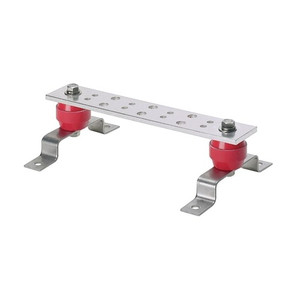
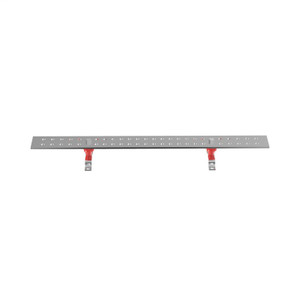
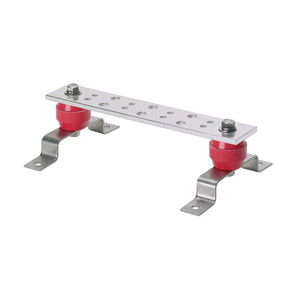
The Panduit GB2B0304TPI-1 is a StructuredGround™ series tin-plated copper grounding busbar engineered for telecom rooms and data centers where BICSI and ANSI/TIA-607-D bonding requirements are non-negotiable. At 2 in. wide × 10 in. long × 2.75 in. overall height, this busbar ships bracket- and insulator-mounted — ready to bolt in without additional hardware sourcing. If you're commissioning a structured grounding system for a network equipment room and need a pre-certified, pre-assembled component, GB2B0304TPI-1 (often searched as GB2B0304TPI 1) is the correct pick.
Key Features
- High-Conductivity Copper with Tin Plating: The bare copper core keeps resistance low for effective bonding across all connected equipment. The tin-plated finish resists oxidation at connection points — a real concern in telecom rooms where busbars may sit untouched for years between maintenance cycles.
- BICSI / ANSI/TIA-607-D Compliance: Meets the grounding and bonding standard telecommunications infrastructure installers and inspectors actually cite. Specify this part in your design docs and it passes plan review without substitute-approval headaches.
- cULus Listed for Equipment Grounding and Bonding: UL listing covers the specific application — equipment grounding and bonding — not just general electrical use. That distinction matters when your AHJ reviews the installation.
- 600V-Rated Insulators Pre-Installed: The insulators isolate the busbar from the mounting surface at 600V, preventing inadvertent conduction paths to the rack or wall structure. They arrive factory-mounted, so there's nothing to assemble or torque-spec separately.
- Bracket Pre-Installed: Factory-attached bracket eliminates a common field assembly step. Pull it from the box, locate your mounting surface, and attach — no separate bracket sourcing, no alignment guesswork.
- Label-Ready Design: Insulators accept Panduit self-laminating laser/inkjet labels for busbar identification. In a dense telecom room with multiple busbars, positive ID during troubleshooting or audits is worth the 30 seconds it takes to label at install time.
- Multiple Hole Spacing Options: Flexible hole patterns accommodate various lug and conductor configurations without drilling or field modification — keeps the installation clean and code-compliant.
Integration & Compatibility
The GB2B0304TPI-1 integrates into Panduit StructuredGround™ telecom grounding systems and aligns with the bonding backbone requirements called out in BICSI and TIA-607-D. It is compatible with standard grounding lugs and conductors used across grounding and bonding installations in telecom equipment rooms, data center cages, and network closets. Competitor cross-reference part numbers include 13622-010, BBB14210A, and TGBI14210TGB — verify dimensional and hole-pattern compatibility before substituting. For a complete grounding system, pair with appropriate grounding lugs and bonding conductors sized to your fault-current requirements. Consult your structured cabling planning guide when determining busbar placement relative to the telecommunications bonding backbone (TBB).
What's in the Box
- 1× GB2B0304TPI-1 Grounding Busbar (bracket and insulator pre-installed)
Frequently Asked Questions
Q: Does the GB2B0304TPI-1 meet BICSI and TIA-607-D grounding standards?
A: Yes. The GB2B0304TPI-1 is designed to comply with BICSI and ANSI/TIA-607-D requirements for network system grounding applications, and it carries a cULus listing specifically for equipment grounding and bonding.
Q: What are the physical dimensions of the GB2B0304TPI-1?
A: The busbar measures 2 in. wide × 10 in. long, with an overall height (including bracket and insulator) of 2.75 in. (69.9 mm).
Q: Does the GB2B0304TPI-1 come with the bracket and insulator already attached?
A: Yes. Both the mounting bracket and 600V-rated insulators are factory-installed. No field assembly of these components is required.
Q: What voltage do the insulators on the GB2B0304TPI-1 support?
A: The pre-installed insulators are rated to isolate at 600 volts, separating the copper busbar from the mounting surface to prevent unintended conduction paths.
Q: What material and finish is used on the GB2B0304TPI-1?
A: The busbar is constructed from high-conductivity copper with a tin-plated finish. The tin plating resists corrosion at connection points, maintaining low-resistance bonds over time.
Q: How is the GB2B0304TPI-1 sold — individually or in a case pack?
A: It is sold individually (package quantity of 1).
The detail that matters most on the GB2B0304TPI-1 is the cULus listing scoped specifically to equipment grounding and bonding — not just a general electrical listing. When your authority having jurisdiction pulls the panel schedule and asks for listing documentation on the bonding components, that distinction is what keeps your inspection on track.
Technical Highlights:
- Tin-Plated Copper Construction: High-conductivity copper maintains low-impedance bonds; tin plating prevents oxide layer buildup at lug contact points, which is the primary failure mode for undetected high-resistance ground connections in telecom rooms.
- 600V Insulator Rating: Pre-installed insulators isolate the busbar from the rack or wall structure at 600V — eliminates the need to specify or source separate isolation hardware, and removes a common field assembly error.
- BICSI / ANSI/TIA-607-D Compliance: Direct compliance with the telecommunications bonding backbone standard means this busbar can be called out by part number in structured cabling design documents and construction drawings without requiring a substitution approval process.
Deployment Considerations:
- The bracket and insulator arrive factory-installed, but confirm your mounting surface can accept the bracket footprint at the 2.75 in. overall height before positioning — tight rack spaces occasionally require offset mounting.
- The tin plating resists corrosion well, but in high-humidity environments (e.g., outdoor or semi-conditioned telecom spaces), verify your lug terminations are also tin-plated to avoid galvanic potential between dissimilar finishes at the contact interface.
This busbar is the right specification for a telecom room grounding system being commissioned to TIA-607-D — specifically where the inspector or BICSI RCDD on the project will be verifying listed components at the bonding backbone termination points.