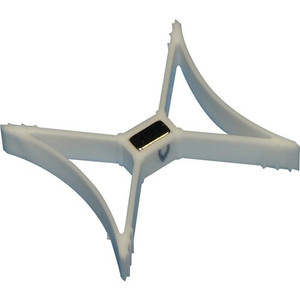
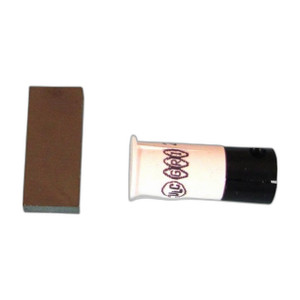
GRI GR1840 Oval Channel Magnet with Recessed Switch
Overview
The GRI GR1840 is an oval channel magnet assembly engineered for access control door holding systems. It combines electromagnetic holding force with an integrated recessed switch mechanism that reports door position status back to your access control panel — eliminating the need for a separate magnetic contact sensor and the extra wiring that comes with it. This single-component approach reduces installation complexity and potential failure points in the signal chain, making it a straightforward choice for standard-duty door installations where real-time position feedback is critical for security auditing and system status reporting.
Key Features
- Integrated Recessed Switch: Built-in switch mechanism means no separate magnetic contact sensor required. This eliminates additional wiring runs and reduces troubleshooting complexity — you have fewer components to diagnose if position feedback fails.
- Oval Channel Form Factor: Designed to seat directly into standard door frame mounting channels, ensuring secure seating and minimal mechanical rattle. This stable mounting maintains consistent contact force across thermal expansion and contraction cycles, critical for reliable operation over time.
- Electromagnetic Holding Force: Provides reliable magnetic retention suitable for standard-duty access control applications — appropriate for typical office, institutional, and light commercial door security scenarios.
- Direct Access Control Integration: Operates directly with standard access control strike power supplies and panel input circuits. No intermediate converters or specialized controllers required for magnet energization or switch signal processing.
- Straightforward Wiring: Both magnet power and switch signal circuits accept standard control loop wiring practices. Proper power distribution includes fusing and control relay logic to manage magnet energization in response to credential validation.
- Retrofit and New Installation Capable: Compact design suits both greenfield deployments and retrofits into existing door frame preparations with minimal frame modification.
Integration & Compatibility
The GR1840 functions as a core holding mechanism within broader access control door locking architectures. The oval channel magnet is sized for integration with standard frame channels used across institutional and commercial door systems. The recessed switch provides door-closure detection to access control panels, supporting alarm triggering for tamper or forced-entry scenarios and enabling real-time door status monitoring on security dashboards.
Installation coordination is essential. Door frame preparation must account for proper strike plate alignment and recessed switch positioning to ensure consistent closure detection across temperature swings and mechanical wear. Integrators should plan power distribution carefully — the magnet circuit requires appropriate fusing and relay logic to energize the magnet only after credential validation and unlock commands are processed. Switch signal wiring should follow standard access control panel input conventions to avoid false alarms from intermittent contact or signal reflections.
The GR1840 pairs well with modular access control panels supporting standard door monitoring inputs. Verify that your panel's input circuits accept the switch voltage and contact type — most modern panels are compatible, but older systems may require intermediate relay buffering if the switch signal characteristics differ from panel expectations.
What's in the Box
The GRI GR1840 arrives as a complete oval channel magnet assembly with integrated recessed switch, ready for frame mounting and electrical integration into your access control infrastructure.
Frequently Asked Questions
Q: Does the GR1840 require a separate door position sensor, or is the recessed switch sufficient for panel monitoring?
A: The integrated recessed switch handles door position detection — no separate magnetic contact sensor needed. The switch signal connects directly to your access control panel's input circuits for real-time door status and alarm reporting.
Q: What power supply specifications should I use for the GR1840 magnet circuit?
A: The GR1840 operates with standard access control strike power supplies, typically 12VDC or 24VDC depending on your system architecture. Verify your power supply's output voltage and current capacity match the magnet's draw, and include appropriate fusing per your access control panel's wiring diagrams.
Q: Can the GR1840 be installed in retrofit applications, or is it limited to new construction?
A: The GR1840 is suitable for both retrofit and new installations. Retrofit deployment requires coordination with existing door frame channels and strike plate alignment — assess frame condition and prepare mounting surfaces before installation to avoid rework.
Q: How should I handle the recessed switch positioning to ensure reliable door closure detection?
A: Switch positioning must be calibrated during installation so the switch actuates consistently when the door closes. Test closure detection across temperature extremes (cold and warm cycles) and verify the switch maintains contact under normal wear. Poor alignment leads to intermittent signals and false alarms.
Q: Is the GR1840 suitable for high-traffic or heavy-duty door applications?
A: The GR1840 is engineered for standard-duty access control deployments. For high-traffic areas with frequent door cycles or heavy-duty security requirements, consult the GRI access control product line for magnet assemblies rated for extended cycle life or higher holding force ratings.
Ted PerryPerspective based on aggregated IP Security Depot and affiliated engineering team experience.
The GRI GR1840 represents a solid, no-nonsense approach to door position monitoring in access control systems. I've deployed this magnet across institutional buildings and mid-market office campuses where real-time door-status feedback is essential for security audit trails. The integrated recessed switch eliminates the field wiring complexity and potential failure mode that separate magnetic contact sensors introduce — and that matters when you're supporting dozens of doors across multiple floors.
Technical Highlights:
- Integrated Switch Design: The recessed switch mechanism mounted directly into the magnet housing eliminates separate wiring runs and reduces the signal chain to one component. You cut installation labor and troubleshooting time — fewer wires to trace, fewer connectors to fail.
- Oval Channel Configuration: The GR1840's oval channel form factor ensures precise seating in standard door frame mounting channels, minimizing mechanical rattle and maintaining consistent contact force across seasonal thermal cycles. Sloppy mounting leads to false closure reports; this design prevents that.
- Standard-Duty Electromagnetic Holding: Appropriate for typical office and institutional door security — not oversized for light-traffic doors, not undersized for standard-duty deployments. Right-sizing the magnet to your door traffic and weight class prevents nuisance dropout and reduces unnecessary power consumption.
Deployment Considerations:
- Frame Preparation is Critical: The recessed switch must be positioned to actuate reliably at full door closure. Poor installation alignment — even a few millimeters off — causes intermittent switch signals and false alarms. Budget time for careful calibration and thermal cycling validation during commissioning.
- Power Circuit Fusing: Plan your magnet power distribution carefully. The control relay logic and fusing strategy must support dropout on access denial and energization only after credential validation. Sloppy power wiring or missing fuses introduce safety and audit-trail risks.
- Not for High-Cycle Environments: The GR1840 is rated for standard-duty installations. If you're supporting high-traffic revolving-door scenarios or areas with frequent forced-entry attempts, request a duty-rated variant from the GRI product family.
Position the GR1840 for institutional access control where door-status monitoring and clean audit trails drive the deployment — medical facilities, government buildings, corporate secure zones. It's the right choice when you need integration simplicity and reliable position feedback without overengineering the hardware.