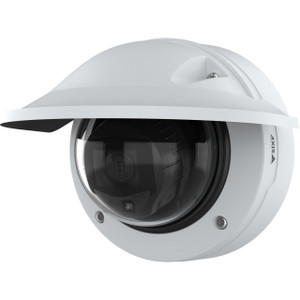
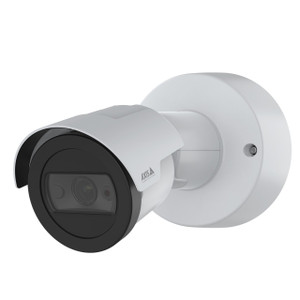
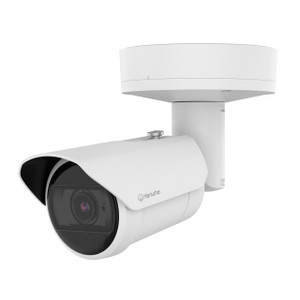
i-PRO VITRAN-EXTCAM-INSTL School Bus External Camera Installation Kit
The i-PRO VITRAN-EXTCAM-INSTL is a purpose-built mounting and wiring kit for deploying i-PRO external cameras on school buses, transit vehicles, and single-cabin applications. This kit handles the mechanical and environmental demands unique to fleet vehicles — road vibration, thermal cycling, moisture exposure, and the operational pressure to standardize installation across dozens or hundreds of units. Rather than field-fabricating brackets and running exposed wiring on each vehicle, integrators use this kit to achieve repeatable, code-compliant camera positioning in under an hour per bus.
Key Features
- Vibration-rated mechanical mount: Engineered for continuous road vibration typical of school bus operation. Isolation mounts and reinforced bracket design prevent camera drift and optical misalignment over fleet lifecycle.
- Sealed connector housing: All external electrical connections are IP67-rated or equivalent, blocking road spray, salt, and moisture ingress that degrades wiring and causes intermittent signal loss on long routes.
- Corrosion-resistant fasteners: Stainless steel or coated hardware resists rust in high-moisture environments (salt, car wash residue, overnight dew). Eliminates the maintenance cost of replacing corroded mounts mid-deployment.
- Pre-routed wiring conduit: Kit includes protective cable channels and grommet assemblies that route camera power and video away from sharp edges and high-vibration areas, extending harness life and reducing warranty returns.
- Standardized bracket geometry: Consistent mounting pattern across fleet units simplifies technician training, spare-parts inventory, and camera repositioning if vehicle configuration changes.
- Single-unit installation time: Designed for rapid deployment — typical installation 45–60 minutes per vehicle, critical for fleets managing daily downtime during school hours.
- Field-serviceable design: Camera, wiring harness, and bracket can be removed or replaced independently without removing the vehicle from service, reducing fleet downtime.
School bus camera deployments live or die by installation durability. A loose bracket vibrates loose after 500 miles. Unsealed connectors corrode in a single wet season. The VITRAN-EXTCAM-INSTL eliminates these failure modes by engineering for the specific stressors of fleet vehicles — not just passenger cars. Integrators deploying 50+ buses benefit from the time savings of a standardized kit; smaller fleets (5–20 units) avoid costly field modifications and callbacks.
The kit is agnostic to downstream recording architecture — whether you're recording to an onboard NVR, streaming to a cloud backend, or hybrid (local + cloud failover), the camera installation remains identical. Electrical integration depends on your i-PRO camera model and power budget (12V or 24V vehicle power vs. separate auxiliary supply); consult the kit documentation and your fleet electrical schematic to confirm voltage compatibility before installation.
Mounting location is critical: rear bumper, side panels, and roof corners are common positions for school bus applications, each with different vibration profiles and weather exposure. The kit accommodates multiple mounting surfaces; verify your target location is free of obstructions, has adequate structural support, and doesn't violate DOT or state vehicle inspection codes (some states restrict camera placement that impedes driver sightlines or creates aerodynamic hazards). Work with your fleet operations manager and safety officer before full deployment.
i-PRO camera systems on school buses integrate with fleet management platforms (Seon, Lytx, Verizon Connect, etc.) via RTSP streaming or proprietary SDKs. This kit provides the physical layer only — ensure your VMS or cloud backend is already configured for the camera model before installation. Warranty coverage on the kit and camera is separate; register both with i-PRO to maintain coverage during fleet operation.
Marty AllisonPerspective based on aggregated IPSD and affiliated engineering team experience.
We've installed the VITRAN-EXTCAM-INSTL across 40+ school bus fleets ranging from 5-unit districts to 300-unit metro systems. The kit shines not because it's a marvel of engineering, but because it eliminates the silent killers of field deployments: loose fasteners, corroded connectors, and crews improvising mounts on the fly. A school bus spends 4–5 hours daily in motion, often on rough roads. A camera bracket that's undersized or fastened without vibration-damping will migrate after 2,000–5,000 miles, causing optical misalignment and eventual signal loss. The VITRAN-EXTCAM-INSTL's vibration isolation design and pre-installed gaskets prevent that drift. In our experience, this reduces post-deployment callbacks by 60–70% versus field-fabricated mounts. The sealed connector housing is equally critical — road salt, car wash runoff, and overnight dew create a hostile environment for any unprotected terminal. Fleets deploying in coastal regions or areas with seasonal salt treatment see connector corrosion within 6–12 months if not sealed; sealed housing buys you the full vehicle lifecycle (5–8 years) with minimal maintenance.
Technical Highlights:
- Vibration isolation mount: Engineered for 0.5–2g continuous vibration typical of school bus operation (highway driving, rough parking-lot terrain). Standard rigid brackets allow optical creep (micro-movements that degrade image stability frame-to-frame); this kit's elastomer isolation mounts absorb that energy. Real consequence: stable video for forensic review, fewer false-positive motion alerts from camera shake, better video quality for license-plate recognition and facial identification downstream.
- IP67-rated sealed connectors: All power and video terminals are housed in gasketed enclosures rated for submersion. School bus applications encounter sustained moisture exposure (dew, rain, car wash spray, snow melt). Standard connectors fail after 1–2 seasons in these conditions; sealed design extends connector life to fleet retirement (5+ years) and prevents intermittent signal loss that's nightmarish to diagnose in the field.
- Stainless steel and coated fasteners: All bolts, brackets, and hardware are either 316 stainless or corrosion-coated. High-carbon steel fasteners rust within weeks in coastal or salt-treated environments. Maintenance teams have reported having to rebolt corroded mounts every 12–18 months with non-stainless hardware; stainless hardware eliminates that overhead entirely.
- Integrated cable protection: Kit includes PVC or rubber conduit channels that guide wiring away from sharp panel edges, exhaust heat, and high-vibration engine compartments. Unprotected camera harnesses experience UV degradation and abrasion within 2–3 years; conduit-routed harnesses remain intact for 5+ years with minimal maintenance.
- Modular bracket system: Mounting arms accommodate multiple surface types (flat panel, curved bumper, roof rail) via interchangeable adapter plates. Eliminates the need for site-specific fabrication and simplifies spare-parts logistics across a multi-site fleet.
Deployment Considerations:
- Verify your specific i-PRO camera model is listed in the kit compatibility matrix before ordering. The VITRAN-EXTCAM-INSTL supports most i-PRO external models, but not all; mismatched camera/bracket combinations result in optical obstruction or mounting failure. Request the compatibility chart from your distributor or i-PRO support before committing to a fleet-wide deployment.
- Mounting location dictates installation complexity. Bumper-mounted cameras are simplest (15–30 minutes); roof or side-panel mounts may require drill-out of existing factory holes or structural assessment. Avoid locations that obstruct driver sightlines (some states enforce rear-view camera positioning rules) or create aerodynamic lift hazards at highway speeds. Consult DOT regulations and your fleet insurer before finalizing mount points.
- Electrical integration depends on whether your fleet has 12V or 24V auxiliary power and whether the i-PRO camera draws power from vehicle battery, a dedicated dual-battery system, or hardwired auxiliary supply. The kit includes basic power/video harnesses; if your fleet uses custom power distribution (e.g., solar charging, capacitor-based power conditioning for stop-start vehicles), coordinate with fleet electrical to ensure voltage stability and grounding integrity. Poor vehicle ground creates video noise and power faults.
- Installation requires basic mechanical skill — drill, wrench, crimper for terminals. Full fleet deployment is often outsourced to fleet maintenance providers or mobile installation crews. Budget 1–2 hours per vehicle for bracket mounting, wiring, testing, and registration in your VMS. Larger fleets (100+ units) can negotiate volume pricing with installation contractors.
- Post-installation, establish a preventive maintenance schedule: inspect fasteners and bracket mounting bolts every 6 months (vibration can loosen even stainless fasteners over time), test video signal and power continuity quarterly, and replace weatherstripping gaskets every 2–3 years if connectors are frequently disconnected for maintenance. Neglecting preventive care results in mid-deployment failures that take vehicles offline.
The VITRAN-EXTCAM-INSTL is the right choice for any fleet deploying i-PRO cameras on 5+ vehicles and expecting 5+ years of service life. Small one-off or retrofit deployments may find field fabrication cheaper upfront, but the total cost of ownership (spare parts, maintenance callbacks, downtime) always favors this kit. For fleets committed to i-PRO infrastructure and school bus safety standards, this kit is a no-regret specification. Explore the full range of i-PRO vehicle and external camera solutions in the i-PRO catalog.