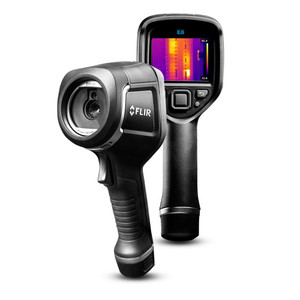
FLIR 427-0097-42-00 FC-632 ID Thermal Intrusion Detection Camera - 19mm 25Hz
When perimeter security demands automated threat detection beyond what visible-light cameras can deliver, thermal analytics become essential. The FLIR FC-632 ID addresses the challenge of reliably detecting intrusions in complete darkness, adverse weather, and across extended distances where conventional video analytics fail. This 19mm lens variant delivers the detection range needed for critical infrastructure, industrial campuses, and high-security facilities requiring 24/7 automated surveillance.
Key Features
- Thermal imaging technology provides consistent detection in total darkness, fog, smoke, and light rain
- 19mm lens configuration optimizes detection range for medium to long-distance perimeter monitoring
- 25Hz frame rate supports PAL regional deployments and provides smooth motion tracking
- Onboard video analytics classify humans and vehicles while reducing false alarms from animals and environmental factors
- Intrusion detection capabilities automate perimeter monitoring with configurable detection zones and rules
- IP-based output integrates with standard VMS platforms and security management systems
- Rugged housing designed for continuous outdoor operation in demanding environmental conditions
- Temperature-based detection eliminates reliance on visible illumination infrastructure
The FC-632 ID series represents FLIR's purpose-built approach to perimeter intrusion detection, combining thermal imaging with embedded analytics to automate threat assessment. Unlike standard thermal cameras that simply provide imagery, the ID designation indicates integrated detection algorithms that distinguish between legitimate threats and nuisance alarms. The 19mm lens provides the focal length needed for installations requiring detection at significant distances—typically hundreds of meters—making it suitable for protecting large open areas, fence lines, and approach zones.
For integrators, the thermal advantage translates to reduced false alarm rates compared to motion-based video analytics on visible cameras. The camera doesn't depend on lighting conditions or contrast, and the analytics leverage thermal signatures to differentiate human-sized heat sources from smaller animals or blowing debris. This results in more actionable alerts and fewer service calls to investigate false positives. Integration follows standard IP camera protocols, but proper lens selection based on detection range requirements and field of view calculations remains critical during system design. The 25Hz frame rate meets PAL standard requirements for European, Middle Eastern, and many Asian installations.