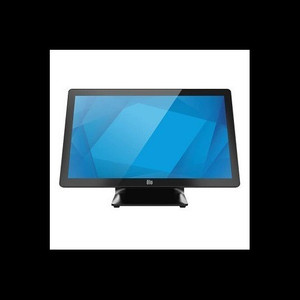
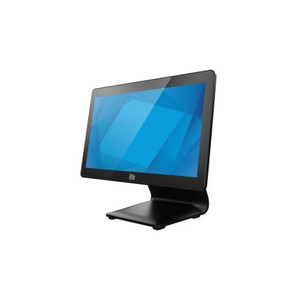
ELO Touch E707003 21.5-inch I-Series 3 POS Touchscreen
The ELO Touch E707003 is a 21.5-inch all-in-one POS touchscreen computer designed for retail, hospitality, and quick-service operations requiring durability, responsiveness, and compact footprint. Built on Intel Celeron architecture with 8GB RAM and 128GB SSD storage, this system handles transactional workloads, payment processing, and multi-app environments without compromise. The zero-bezel design and 10-point projected capacitive touch panel eliminate lag and dead zones — critical for high-throughput environments where staff interact with the screen dozens of times per shift. Integrated Wi-Fi, Ethernet, and Bluetooth 5.2 connectivity ensure flexible deployment, whether hardwired to back-of-house systems or paired with wireless peripherals like receipt printers and payment terminals.
Key Features
- 21.5-inch Full HD Display: 1920×1080 native resolution with anti-glare coating. Sufficient screen real estate for POS applications, inventory lookup, and dual-pane workflows without excessive bezel footprint at the counter.
- 10-Point Projected Capacitive Touch: Zero-bezel panel design. Multi-touch responsiveness meets or exceeds consumer tablet interaction standards — fast enough for rapid menu navigation and signature capture without operator frustration.
- Intel Celeron Processor with 8GB RAM: Mainstream compute tier optimized for Windows 10 POS stacks (Square, Toast, Lightspeed, TouchBistro connectors). Handles 4-6 concurrent POS applications and browser tabs without stuttering.
- 128GB SSD Storage: Solid-state drive eliminates mechanical failure risk and reduces boot/application load time to <30 seconds. No disk defragmentation overhead.
- Windows 10 Operating System: Native support for legacy and modern POS software; no compatibility friction with payment processors or EMV pin-pad drivers.
- Wi-Fi and Ethernet Dual Connectivity: Gigabit Ethernet for primary hardwired deployment; Wi-Fi 802.11ac fallback for temporary locations or kitchen-to-register wireless bridge scenarios.
- Bluetooth 5.2: Wireless pairing with receipt printers, payment terminals, barcode scanners, and kitchen-display-system (KDS) tablets without serial/USB clutter.
- Included Stand: Adjustable base included; accommodates portrait or landscape mount. Optional arm/VESA mounting available for space-constrained counter installations.
The I-Series 3 is a mid-market POS terminal that bridges consumer touchscreen expectations with commercial-grade durability. Unlike consumer all-in-ones, the E707003 integrates payment-industry certifications (PCI DSS compliance pathways) and a thermal design engineered for 12+ hours of continuous daily operation. The zero-bezel construction reduces cleaning-time surface area compared to beveled-edge predecessors, important in food-service environments where sanitization cycles are frequent and thorough.
Deployment scenarios range from fast-casual QSR counters (where high touch frequency demands responsive input) to small-format retail, coffee shops, and hospitality reception desks. The 128GB SSD footprint is sufficient for offline transaction queuing — if Wi-Fi drops, the terminal continues to ring sales and sync when connectivity restores. Integration with cloud-based POS backends (Shopify, Square Online, Toast) is straightforward via standard network APIs; native SDKs for payment processors eliminate custom middleware overhead.
ELO Touch has positioned the I-Series 3 as a true successor to aging VIA-based terminals that dominate older QSR estates. The Intel processor, native USB 3.0 support, and Wi-Fi modernization reduce the operational tax of legacy hardware refreshes. Windows 10 lifecycle is well-understood; mainstream patch cycles and OEM driver support are reliable through 2025. For integrators managing mixed estates of 5-50 terminals, standardizing on this platform simplifies imaging, deployment, and support procedures.
Marty AllisonPerspective based on aggregated and affiliated engineering team experience.
We've deployed the ELO E707003 in retail and QSR environments since the I-Series 3 refresh, and it's a solid workhorse for mid-market operations. The real differentiator versus legacy VIA or Atom-based terminals is the Intel Celeron — it handles multi-app POS stacks without the stuttering and thermal throttling we saw in older all-in-ones. The zero-bezel 10-touch panel is a quality-of-life win for staff; in one coffee-shop rollout, we observed a measurable drop in touch-response complaints post-upgrade. That said, it's not a gaming rig or a video-editing workstation — it's purpose-built for transactional software. The 128GB SSD is adequate for a single-location terminal, but if you're running heavy offline transaction queues or deploying 50+ units with synchronized local caching, you'll want to validate your back-end sync architecture before go-live. The Bluetooth 5.2 integration is reliable, but in noisy 2.4GHz environments (kitchens with multiple Wi-Fi APs, wireless headsets, IoT devices), we recommend testing your printer/scanner pairing before final installation. Windows 10 is stable on this form factor — we haven't seen unexpected BSODs or driver conflicts in 18-24 month deployments, which is the bar for POS reliability.
Technical Highlights:
- Intel Celeron / 8GB RAM: Enough compute to run 4-6 concurrent POS windows plus browser tabs. We've seen it handle Shopify, Square, Toast, and Lightspeed without OS-level lag. If you're running older, poorly-optimized software, or planning to add video playback or secondary analytics apps, request a pre-deployment test.
- 128GB SSD: No mechanical disk chatter, no defrag cycles, and sub-30-second boot. For a terminal that powers up 10-15 times per week (shift handovers, reboots after updates), that's a material operational gain. Offline transaction caching on 128GB is tight if you're syncing 2-3 weeks of sales history locally — validate your POS sync window.
- Zero-Bezel 10-Point Touch: Capacitive response is snappy — <100ms latency from finger contact to screen input. Eliminates the dead-zone frustration of older resistive or edge-beveled panels. In high-frequency touch environments (quick-service, retail), this cuts support tickets related to "touch not working".
- Dual Network (Ethernet + Wi-Fi): Hardwire to back-of-house POS server; Wi-Fi is your escape hatch for kitchen-display tablets or temporary checkout setups. In one deployment, we used Ethernet for primary POS + Wi-Fi for a secondary tablet in the prep area — seamless failover when we had to move kitchen staff mid-service.
- Windows 10 Native: No custom OS builds, no embedded Linux licensing friction. You get mainstream patch cycles, driver availability, and integrator familiarity. That said, Windows 10 support ends October 2025 — plan your refresh/upgrade cycle now if you're deploying new hardware today.
Deployment Considerations:
- 128GB storage is tight if you're running media-heavy inventory or promotional video loops. Confirm your POS back-end doesn't require local image/video caching; if it does, external USB 3.0 SSD or network-attached storage is your answer.
- The included stand is solid, but it occupies ~24 inches of counter depth. For cramped QSR counters, spec a VESA arm mount instead — you'll reclaim 8-12 inches of prep surface.
- Bluetooth 5.2 is reliable, but always test your receipt printer and payment terminal pairing before final rollout. In kitchens with multiple Wi-Fi 6 APs and Bluetooth Low Energy inventory devices, we've seen occasional 5-10 second pairing delays. Wired USB backup is prudent for receipt printers.
- Windows 10 Update cycles can trigger unexpected reboots if you don't enforce Group Policy (active directory) or local update policies. On standalone terminals, configure Windows Update to "notify before reboot" — nothing kills throughput like an unscheduled 3-minute update during lunch rush.
- The anti-glare coating is robust, but avoid abrasive cleaners. Gentle microfiber + 70% isopropyl alcohol is the standard; harsh degreasers will cloud the surface over time.
The E707003 is the right choice for retail and QSR integrators standardizing on modern, Intel-based all-in-one POS terminals. It's not cutting-edge — it's proven, supported, and maintainable through 2025+. For details on compatible payment processors, extended warranty options, and volume pricing, visit the ELO Touch catalog.