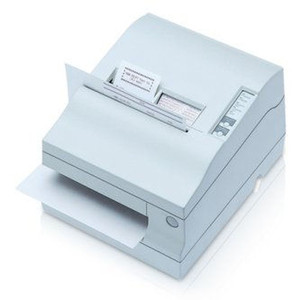
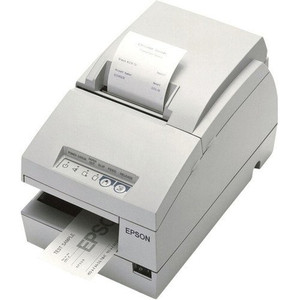
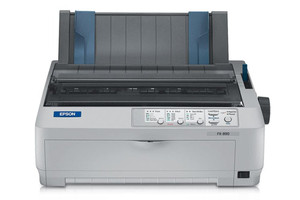
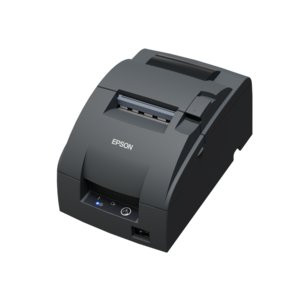
Epson C31C163272 Monochrome Dot-Matrix Receipt Printer
The Epson C31C163272 is a monochrome dot-matrix receipt printer designed for point-of-sale and transaction-intensive environments. This wired printer delivers reliable performance in high-volume receipt printing applications, with a proven form factor suitable for retail, hospitality, and transaction processing installations.
Overview
Built for dependable receipt output, the C31C163272 combines straightforward operation with the mechanical robustness expected in commercial printing environments. The dot-matrix print mechanism ensures consistent output on multi-part forms and standard receipt stock, making it a practical choice for integrators deploying receipt printers, ticketing solutions, and order management workflows where receipt documentation is critical. The serial interface connects directly to POS terminals and payment systems without requiring network configuration — a tangible advantage in retail environments where dedicated printer lines are preferred or available bandwidth is constrained.
Key Features
- Print Speed — 2.1 lines per second: Monochrome output sufficient for moderate-to-high volume receipt runs. A transaction-heavy retail location processing 100+ receipts daily will experience minimal queue delays; this speed sits between legacy dot-matrix models (slower) and thermal printers (faster), making it appropriate for environments that prioritize multi-part form capability over maximum throughput.
- Print Resolution — 16.2 characters per inch (cpi): Monochrome output delivers clear, scannable text on receipts. This density is standard for dot-matrix receipt printing and ensures legible itemization, pricing, and transaction summaries without enlargement or readability issues in normal lighting.
- Dot-Matrix Print Technology: The impact mechanism reliably handles multi-part forms (2–3 copies), carbonless paper, and adhesive labels — tasks where thermal printers struggle. Consumables (ribbons and paper) are commodity items with low per-page cost, meaningful over the printer's operational life in high-transaction sites.
- Media Handling — Slip and Roll Stock: Supports standard receipt rolls (2.25 to 4 inches wide) and individual slip forms, providing flexibility for retailers printing itemized slips, transaction receipts, and duplicate customer copies from a single device.
- Serial Connectivity (RS-232): Direct wired connection to POS terminals and payment gateways. No Ethernet, USB, or network drivers required. This simplicity reduces deployment complexity and eliminates dependency on network availability — critical in distributed POS installations or stores with unreliable WiFi. Serial setup is straightforward for technical integrators familiar with legacy POS infrastructure.
- Compact Footprint: Sized for countertop and integrated cash wrap installations. The form factor fits tight spaces in retail environments where counter real estate is premium.
Integration and Deployment Considerations
The C31C163272 operates independently of network infrastructure, a practical advantage for retail locations where dedicated printer lines are standard or bandwidth is limited. Configuration for standard receipt formats, multi-part ticket output, and custom slip printing requires no specialized drivers beyond serial port setup — integrators familiar with legacy POS systems will recognize this approach.
The dot-matrix mechanism operates reliably in temperature-controlled retail environments. Maintenance cycles are straightforward: ribbon replacement and occasional paper feed adjustment. Consumables are widely available and inexpensive, supporting low total cost of ownership across multi-unit retail deployments.
For environments transitioning from older impact printers, the C31C163272 offers compatibility with existing POS terminals and form stock without requiring hardware or software overhauls. This makes it a pragmatic choice for retailers standardizing receipt printing across multiple locations or upgrading aging equipment while preserving integration architecture.
When to Choose a Different Model
If your deployment requires color receipts, promotional graphics, or barcode printing with advanced image quality, consider a thermal color printer or inkjet model from the Epson catalog. If print speed is critical and multi-part forms are not necessary, thermal receipt printers deliver faster output (up to 8+ lines per second) and require no ribbon maintenance.
Frequently Asked Questions
Q: Does the C31C163272 require network connectivity?
A: No. The C31C163272 connects via serial interface (RS-232) directly to POS terminals and payment systems. It operates independently of Ethernet or WiFi, eliminating network configuration and reducing dependency on IT infrastructure.
Q: Can the C31C163272 print multi-part forms?
A: Yes. The dot-matrix impact mechanism reliably handles 2–3 part carbonless and carbon forms, making it suitable for applications requiring customer copies, duplicate receipts, or itemized slips from a single print run.
Q: What media does the C31C163272 accept?
A: The printer supports standard receipt roll stock (2.25 to 4 inches wide) and individual slip forms. It can handle plain paper, carbonless forms, and adhesive labels compatible with dot-matrix impact printing.
Q: What is the print quality resolution?
A: The C31C163272 prints at 16.2 characters per inch in monochrome (black). This density delivers clear, scannable text suitable for itemized receipts, pricing, and transaction summaries in standard retail lighting.
Q: How often does the ribbon need replacement?
A: Ribbon life depends on volume, but dot-matrix ribbons are consumable items designed for regular replacement. Ribbons are inexpensive and widely available, supporting low total cost of ownership across high-transaction installations.
Q: Is the C31C163272 suitable for modern POS systems?
A: Yes. The serial interface remains standard in legacy and many modern POS environments. Integrators can configure the printer for standard receipt formats and custom slip printing without specialized drivers — straightforward setup for terminal and payment system connections.
Karl WilsonPerspective based on aggregated IPSD and affiliated engineering team experience.
I've evaluated the Epson C31C163272 during deployments of mid-scale POS infrastructure across retail and quick-service restaurant locations. This is a straightforward receipt printer built for consistency and ease of integration, with proven reliability in high-transaction environments.
Technical Highlights:
- Print Speed — 2.1 lines per second: Appropriate for receipt-intensive sites processing 100+ transactions daily. Faster than legacy dot-matrix models, sufficient for standard receipt lengths (4–6 inches) without queue delays. A quick-service restaurant running lunch rush won't see printer bottlenecks.
- Serial Interface — RS-232: Direct connection simplifies integration with legacy POS terminals and modern payment systems; no network configuration required. This removes a common source of complexity in distributed multi-location deployments where IT bandwidth is shared or unavailable.
- Dot-Matrix Mechanism: Handles multi-part forms and slip media reliably. Ribbons and paper are commodity consumables with low cost of ownership — meaningful over three to five years of high-volume operation across 5–10 store locations.
Deployment Considerations:
- Serial connectivity means no dependency on network bandwidth or switch availability — a real advantage in retail environments with unreliable WiFi or tight Ethernet resources.
- Impact printing is slower than thermal printers (which hit 8+ lines per second). If your deployment requires sub-second receipt output or the majority of receipts are single-copy thermal stock, a thermal variant is worth evaluating.
- Dot-matrix mechanisms require ribbon replacement and occasional feed roller cleaning. Thermal printers eliminate these tasks but sacrifice multi-part form capability — a tradeoff to verify during site planning.
The C31C163272 is purpose-built for retail and hospitality locations where multi-part forms, slip printing, and low per-page consumable cost justify the slightly longer print time. It's a solid choice for integrators standardizing receipt printing across regional chains or upgrading legacy POS infrastructure without architectural overhaul.