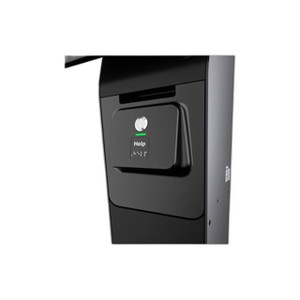
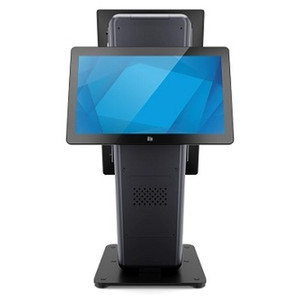
ELO Touch E990151 Double-Sided Backer Board Floor Stand
The ELO Touch E990151 is a structural backer board assembly designed for the Wallaby Pro double-sided floor stand system, enabling simultaneous dual-display mounting in self-service kiosk and digital signage deployments. Where single-sided stands face one user zone, the E990151 enables back-to-back configurations — retail islands, queue-line check-ins, or shared-view environments — without requiring two separate pedestals or compromising electrical isolation between displays. The kit handles mechanical alignment, thermal separation, and cable management for independent operation of both screens on a unified frame.
Key Features
- Double-sided mounting support: Engineered for back-to-back display orientation on Wallaby Pro stands. Eliminates footprint duplication and reduces installation complexity in space-constrained retail or hospitality environments.
- Wallaby Pro compatibility: Works exclusively with ELO Wallaby Pro floor stand systems (double-sided configuration). Fastener and dimensional alignment critical — verify pole assembly and base match before installation.
- Structural thermal separation: Backer board geometry isolates heat from adjacent displays, preventing thermal load stacking that could degrade performance on 24/7 kiosk duty cycles.
- Cable integration routing: Designed clearance for power, video (HDMI/DisplayPort), and touch-sensor wiring without compression or pinch points between board and stand frame.
- Level-floor installation: Requires stable, level substrate rated for combined dead weight of both displays, backer board assembly, and stand structure. Weight distribution across dual-display configuration demands proper surface preparation.
- Modular unpopulated design: Backer board ships without displays or mounting brackets pre-installed, allowing flexibility in display selection within ELO Touch touchscreen lineup and custom bracket configurations.
Self-service kiosk deployments often face a spatial trade-off: single-pedestal stands waste real estate, while dual stands double maintenance overhead and IP footprint. The E990151 collapses that constraint by enabling both screens on one structural frame. In retail island environments — pharmacy check-ins, quick-order stations, or customer-facing dashboards — a back-to-back kiosk eliminates blind spots and serves two independent queues or workflows from a single installation point. The backer board's thermal design ensures neither display thermally stresses the other during peak operational hours, critical for 24/7 hospitality and transit installations.
Integration into the Wallaby Pro ecosystem keeps system architecture simple: all power delivery, display signal routing, and touch I/O pass through the stand pole and backer board mounting block without external harnesses or splitters. This modularity simplifies troubleshooting — if one display fails, the other continues operation independently. Cable slack management is essential during installation; leaving excess video or power cabling coiled near the backer-board-to-stand junction can trap heat and create pinch hazards during thermal expansion cycles. Plan cable runs before fastening the backer board to the pole assembly.
Environmental conditions at the installation site directly impact longevity. High-dust environments (bakeries, automotive service bays, manufacturing floors) require regular fastener inspection — corrosion at the backer-board-mounting interface can loosen the assembly over months. Humidity swings in outdoor vestibules or refrigerated zones increase thermal cycling on fasteners and solder joints; ensure adequate ventilation around the stand and consider periodic torque verification on critical fasteners per Wallaby Pro service guidelines. The E990151 itself is passive — no active cooling or power draw — but proper environmental management of the displays and stand structure extends mean time between service calls.
Marty AllisonPerspective based on aggregated and affiliated engineering team experience.
We've deployed dozens of ELO Wallaby Pro stands across retail and hospitality settings, and the E990151 double-sided backer board is a workhorse component that often gets overlooked in the sales cycle. The real value isn't glamorous — it's that this kit eliminates the need to justify two separate floor stands in tight retail footprints. A pharmacy queue-management setup we installed last year replaced a pair of single-sided stands with one E990151 on Wallaby Pro, cutting floor clutter in half and reducing electrical service points from two to one. What you don't get is wireless or networked intelligence; this is pure mechanical structure. The backer board is inert — it rides on the stand pole and does one job: hold two displays apart while keeping their electrical systems isolated. Installation complexity is moderate; most of the work is pre-planning cable routing and confirming your Wallaby Pro pole diameter and fastener specs match the kit. We've seen failed installations where the installer tried to mount heavier third-party displays than the ELO ecosystem tested for, leading to sag and thermal binding at the fastener interface. Know your display weight beforehand and test the assembly with one display mounted before committing to dual setup.
Technical Highlights:
- Thermal separation geometry: Backer board channels isolate heat paths between back-to-back displays — prevents thermally-coupled thermal throttling or condensation on adjacent LCD modules during 24/7 duty cycles in climate-variable environments like healthcare vestibules or outdoor-adjacent retail.
- Fastener and mounting alignment: All attachment points are indexed to Wallaby Pro pole OD and thread pitch — wrong stand revision or third-party pole adapter introduces play that cascades into micro-vibration and fastener fatigue. Confirm stand revision before ordering.
- Cable clearance design: Backer board geometry accommodates standard ELO touchscreen harness lengths (HDMI, power, USB-touch) without requiring extension cables or rerouting that adds failure points. Non-standard display wiring (high-amperage heater elements, external USB hubs) may require custom routing — verify before installation.
- Weight distribution: Double-sided configuration moves the center of gravity upward on the stand — requires stable floor and level installation surface. Uneven substrate or casters without locking mechanisms introduce sway that stresses fasteners and display connectors over time.
- No active components: The E990151 is passive structure with no power draw, no configuration, no firmware — it either mounts securely or it doesn't. Simplifies troubleshooting (always test individual displays off the stand first before blaming the backer board) and reduces support overhead in high-volume deployments.
Deployment Considerations:
- Verify Wallaby Pro stand revision and pole assembly match kit specifications before installation — dimension and fastener incompatibility creates alignment gaps that compromise structural stability and thermal performance.
- Plan cable routing before fastening the backer board to the pole — excess power, HDMI, or touch cabling coiled behind the mounting interface traps heat and creates pinch hazards during thermal expansion. Use cable ties and clips rated for the internal temperatures of the stand enclosure.
- Confirm floor or installation surface is level and rated for combined weight of both displays, backer board, and stand assembly — uneven substrate introduces rocking that loosens fasteners and stresses connector interfaces over weeks of operation.
- In high-dust or corrosive environments (manufacturing, food service, saltwater locations), implement a quarterly fastener inspection protocol — corrosion at the backer-board-to-pole junction will eventually loosen the assembly and introduce vibration noise and potential display tilt.
- Do not substitute third-party displays or mounting brackets without explicit verification that weight, thermal profile, and bracket geometry match ELO specifications — over-torquing fasteners to compensate for misaligned brackets leads to cracking of the backer board mounting block.
- Test one display mounted on the assembled backer board and stand before installing the second display — confirms structural stability and cable routing before committing to the full dual-display setup.
The E990151 is the right choice for integrators deploying dual-screen kiosks where physical and thermal isolation of displays is non-negotiable, and where real estate or electrical service constraints make single-pedestal configuration mandatory. It's not a standalone product — it's a structural dependency for Wallaby Pro double-sided deployments. Spec this if your end-user has confirmed they need back-to-back displays on one stand frame; if they're still weighing single versus dual, walk through the floor-space ROI and maintenance headcount impact first. For details on the full Wallaby Pro ecosystem and available display compatibility options, see the ELO Touch catalog.