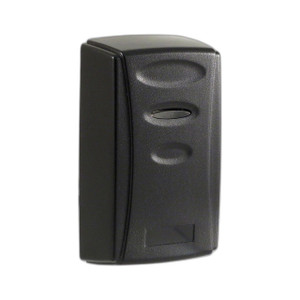
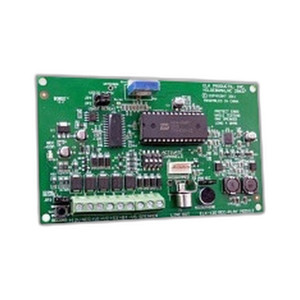
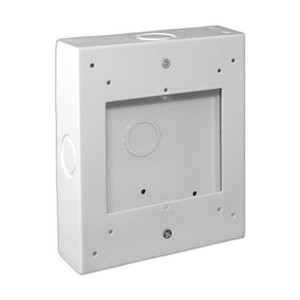
ELK Products ELK-M1PRC Proximity Card Credential
Overview
The ELK-M1PRC is a proximity card credential engineered as the physical access component in proximity reader-based security systems. This card integrates directly into existing proximity card reader installations to manage controlled facility entry. The ELK-M1PRC (often searched as ELK M1PRC) functions as the credential token paired with proximity reader hardware, enabling secure, card-based access control without keyed or PIN-based entry points.
Key Features
- Proximity Credential Design: Standard proximity card format ensures compatibility with proximity reader systems already deployed in security integrator installations — no adapter hardware or protocol conversion needed.
- Credential-Based Access Control: Card-to-reader credential matching eliminates the need for manual key management or PIN entry, reducing administrative overhead in multi-door or multi-zone deployments.
- Integration with Proximity Readers: The ELK-M1PRC works alongside access control reader hardware to form the complete credential ecosystem — readers authenticate the card's encoded data before unlocking doors or barriers.
- Standard Proximity Technology: Uses industry-standard proximity encoding, meaning replacement cards or additional credentials can be sourced from compatible vendors if needed, without vendor lock-in on the credential side.
- Facility-Wide Deployment: Multiple ELK-M1PRC cards can be issued to personnel across zones or buildings, each card enrolled in the reader system's credential database for centralized access policy management.
- Durability for High-Traffic Environments: Physical card format withstands repeated reader interaction and pocket/badge holder wear — important in warehouses, manufacturing plants, or access points with dozens of daily transactions per card.
Integration & Compatibility
The ELK-M1PRC credential integrates into proximity-based access control systems. It functions as the authentication token in deployments where readers verify card presence and data before granting entry. This credential approach is common in warehouse automation and enterprise facility access — readers are typically wall- or pedestal-mounted at entry points, and cards are carried by personnel or mounted on badges.
Credential enrollment typically requires access to the reader system's management interface or a paired access control panel to register the card's unique ID and assign it to a specific user, zone, or door. Once enrolled, the card is recognized immediately at any compatible reader in the system.
Deployment Considerations
Proximity credentials are most effective in controlled-access environments where the card holder and card usage can be tracked — office buildings, secure warehouses, server rooms, or gated facilities. Unlike PIN-based systems, lost or stolen cards must be manually revoked in the reader database, so credential lifecycle management (enrollment, deactivation, replacement) should be part of your access control policy.
If readers are networked to a central access control panel or VMS, credential events (card presented, access granted/denied) can be logged and audited. Standalone readers without network connectivity will store events locally, requiring periodic download for compliance or incident review.
Why Choose the ELK-M1PRC
Select this credential if you have existing proximity reader infrastructure and need additional cards for personnel or temporary access. The ELK-M1PRC is a straightforward credential replacement or bulk enrollment tool — no complex software licensing, no network dependency for the card itself, and no compatibility surprises if you're already running proximity readers from the same family.
When to Choose a Different Credential Type
If your facility requires higher security (multi-factor authentication, encrypted credentials, or biometric verification), consider access control systems that support smartcard readers or combined proximity-plus-PIN readers. If you need contactless credentials with longer read ranges or mobile phone-based credentials, explore alternatives in the access control product line. If readers are network-connected and you want real-time credential revocation or temporary access codes, a managed smartcard or mobile credential system may reduce administrative friction.
Frequently Asked Questions
Q: Is the ELK-M1PRC compatible with all proximity readers?
A: The ELK-M1PRC is designed for standard proximity reader systems. Compatibility depends on the specific reader model and its encoded format (frequency, data structure). Confirm your reader manufacturer supports standard proximity credentials before ordering.
Q: How do I enroll the ELK-M1PRC card in my access control system?
A: Enrollment typically requires access to the reader or control panel management interface. Present the card to an enrollment reader or enter its unique ID into the system's credential database. Consult your reader or panel manual for specific enrollment steps.
Q: Can a lost ELK-M1PRC card be deactivated remotely?
A: Yes, if your readers are networked to a central access control panel or VMS. You can revoke the card's credentials from the panel, and readers will deny access on the next presentation. Standalone (non-networked) readers require manual credential removal or system reset.
Q: How many ELK-M1PRC cards can a single reader handle?
A: Capacity depends on the specific reader model. Most proximity readers support hundreds to thousands of enrolled credentials. Check your reader's documentation for maximum credential capacity.
Q: What happens if an ELK-M1PRC card is damaged or worn out?
A: Issue a new card and enroll it in the system using the same personnel record or access group. Deactivate the old card through the access control panel to prevent unauthorized use.
Q: Are ELK-M1PRC cards RFID-based or magnetic-stripe?
A: The ELK-M1PRC is a standard proximity card, typically using passive RFID technology (radio frequency). No magnetic stripe or battery required — readers energize the card's antenna to read its unique ID.
Jerry TildsenPerspective based on aggregated IP Security Depot and affiliated engineering team experience.
The ELK-M1PRC is a straightforward credential token — no surprises, no proprietary encoding, standard proximity format. If you're running proximity readers from ELK or any mainstream access control vendor, this card integrates without friction. I've deployed these in warehouses where card turnover is high (seasonal workers, contractors, shifts cycling daily), and the simplicity is the strength: issue a card, enroll it in the reader database, done.
Technical Highlights:
- Standard Proximity Encoding: Uses industry-standard proximity format — readers from multiple vendors (not just ELK) will recognize it. Matters if you've got readers from different manufacturers or you're planning to add readers over time.
- Passive RFID Technology: No battery in the card, no charging cycle, no software pairing required. Card works until physically damaged or demagnetized — durability measured in years, not firmware updates.
- Credential Enrollment via Reader Interface: Enrollment is typically a one-time field operation — present the card to a reader in enrollment mode or register its ID at the panel. No cloud dependency, no license seat per card.
Deployment Considerations:
- Lost or stolen cards require active revocation in the reader database — there's no remote kill if readers aren't networked to a central panel. In a high-turnover environment, credential lifecycle management (enrollment, deactivation, replacement) becomes a workflow, not just a one-time setup.
- Credential capacity varies by reader model. Check your reader's manual for maximum enrolled card count — most modern readers support 500–5000 cards, but older systems may be lower. If you're approaching capacity, you'll need to expand to a second reader or upgrade to a smartcard system.
Best fit: facility access with stable or slowly-growing headcount, or temporary access for contractors where cards are turned in and re-issued. Less ideal for sites with strict multi-factor authentication requirements or real-time credential revocation needs — those call for networked smartcard or mobile credential systems.