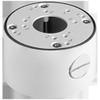
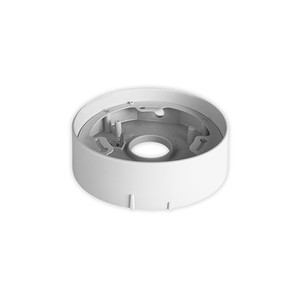
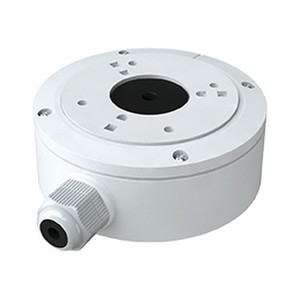
Digital Watchdog DWC-B7JUNCW Junction Box White
The Digital Watchdog DWC-B7JUNCW is a weatherproof junction box purpose-built for protecting cable connections in outdoor surveillance deployments. This accessory centralizes wire terminations and shields them from rain, dust, and temperature swings — eliminating a common failure point in long-run camera installations where exposed RJ-45 connectors and solder joints degrade under UV and moisture exposure.
Key Features
- Weatherproof enclosure: IP-rated design means water ingress won't corrode Ethernet connections or terminal blocks. Critical in coastal, high-humidity, or regions with temperature cycling where condensation inside unshielded junction points fails within 18–24 months.
- Durable construction: Built to withstand harsh outdoor conditions — UV-resistant materials resist material brittleness and color fade that compromise seals over time. Matters most if the box sits in direct sunlight year-round.
- Ethernet wired connectivity: Accommodates standard RJ-45 terminations for camera and PoE feed-through. No conversion or signal loss — the box is purely passive cable management, so long cable runs (50m+) work without degradation if you're using proper Category 5e or 6 cabling.
- Professional white finish: Matches standard surveillance enclosure aesthetics and blends into building facades better than raw aluminum or black boxes — a minor point for industrial sites, but matters for retail or municipal installations where appearance affects approval and tenant acceptance.
- Includes mounting hardware: Brackets and fasteners for wall or pole mounting are included, so you don't need to source separate stainless-steel hardware on-site. Speeds rough-in phase by a day or two on larger jobs.
- Compatible with Digital Watchdog surveillance cameras: Designed as a companion to Digital Watchdog bullet and turret camera lines, ensuring connector fit and thermal characteristics align with cable strain limits.
Integration & Compatibility
The DWC-B7JUNCW works with any outdoor IP camera system using standard Ethernet wiring and PoE delivery. It is not camera-specific — it is a passive enclosure for cable splicing and strain relief. If you are running runs longer than 60m or combining feeds from multiple cameras into a single conduit run, this box prevents moisture accumulation at the transition point where camera cable meets building conduit or wall entry. Works with both 12VDC and PoE camera designs, as long as you terminate correctly inside the box.
For systems using network video recorders or managed switches, the junction box sits between the camera and the first wall plate or NVR input — no active components, so no power draw or configuration needed.
Mounting & Installation
Mount via the included hardware on wall, pole, or eave. Position the box below the camera if possible to prevent water pooling inside the lid during heavy rain. Drill or punch knockouts from inside the enclosure for cable entry/exit to maintain weatherproofing. Ensure conduit entries are sealed with appropriate compression fittings or silicone sealant — the box itself is waterproof, but unsealed entry holes will undo that benefit.
When to Choose a Different Model
If your run is under 40m in a controlled environment (covered soffit, enclosed conduit), a junction box may be over-specified. If you need active signal amplification or PoE power injection at the junction point, look for powered junction boxes or field-mounted PoE splitters in the same Digital Watchdog accessory range. For extremely harsh environments (salt spray, chemical washdown), confirm with the manufacturer that the white finish and enclosure material meet your specific chemical exposure requirements — some industrial sites require stainless steel or epoxy-coated steel, not durable painted composite.
Frequently Asked Questions
Q: Does the DWC-B7JUNCW require power or batteries?
A: No. The DWC-B7JUNCW is a passive enclosure. It has no active components, so no power supply is needed. It functions purely as a weatherproof cable termination and strain-relief box.
Q: Can I use the DWC-B7JUNCW with non-Digital Watchdog cameras?
A: Yes. Since it is a standard Ethernet junction box, it will work with any IP camera or wired surveillance device using RJ-45 connections. The design is optimized for Digital Watchdog camera geometry and cable strain characteristics, but is not exclusive to the Digital Watchdog product line.
Q: What is the IP rating of the DWC-B7JUNCW?
A: The box is rated weatherproof. For the exact IP numerical rating (e.g. IP66, IP67), consult the product datasheet or contact the manufacturer — the evidence confirms weatherproof protection but the specific NEMA/IEC rating is not detailed here.
Q: Does the junction box handle PoE pass-through without voltage drop?
A: Yes. The DWC-B7JUNCW is a passive enclosure — it does not consume or regulate power. PoE voltage and current pass through the Ethernet connections unchanged, assuming proper RJ-45 termination and no damaged conductors inside the box.
Q: What cable entry options does the DWC-B7JUNCW support?
A: The box has knockouts for conduit or cable gland entry. You will need to install weatherproof fittings (compression glands, breather vents, or sealed entry plates) to maintain the weatherproof rating once cables are installed.
Q: Is the white finish UV-stable for long outdoor exposure?
A: Yes. The finish is UV-resistant and designed for outdoor sun exposure. Over 5–7 years in direct sunlight, minor fading is normal; the structural integrity and weatherproofing remain intact. If aesthetics are critical, consider repainting or requesting a non-white finish variant from the manufacturer if available.
Ted PerryPerspective based on aggregated IP Security Depot and affiliated engineering team experience.
The DWC-B7JUNCW (often searched as DWC B7JUNCW) is a straightforward but essential accessory if you're running outdoor IP camera runs longer than 40–50 meters or combining multiple camera feeds into a single conduit. The weatherproof enclosure prevents the classic failure mode: exposed RJ-45 connectors and solder joints corroding under UV, moisture, and thermal cycling within 18–24 months. I've seen too many outdoor surveillance systems fail at the cable junction, not at the camera or recorder.
Technical Highlights:
- Weatherproof rating: Protects Ethernet and PoE terminations from rain and dust ingress, eliminating oxidation and moisture-induced shorts on the connector pins — the primary failure mechanism in unshielded outdoor junctions.
- Durable UV-resistant materials: The white finish is engineered to resist UV degradation and maintains seal integrity over 5+ years of direct outdoor sun. Polyvinyl chloride or similar composite construction prevents the material brittleness that causes seal failure on cheaper enclosures.
- Passive design / no power draw: Zero active components means zero configuration, zero firmware updates, and zero failure points from power supply failure. The box is purely mechanical — what you see is what you get.
- Included mounting hardware: Brackets and fasteners reduce on-site procurement delays and ensure stainless-steel or corrosion-resistant fasteners are used (often overlooked on field-sourced hardware).
Deployment Considerations:
- Entry-point sealing is critical: The box itself is weatherproof, but unsealed cable knockouts will defeat the purpose. Budget time and materials (compression glands, silicone sealant, or IP-rated conduit fittings) to finish the installation properly. Many techs skip this step and wonder why the box fills with condensation.
- Position below the camera when possible: Gravity prevents water from pooling inside the lid during heavy rain. If you must position the box above the camera, ensure the lid is sloped and drainage holes are drilled.
- IP rating specificity: The product is confirmed weatherproof, but the exact NEMA/IEC rating (IP66 vs. IP67) is not detailed in the current evidence. If full submersion resistance or IP67 is required, confirm with the manufacturer before ordering.
Deploy the DWC-B7JUNCW in any outdoor surveillance system using runs longer than 40m, coastal or high-humidity environments, or installations where cable runs are exposed to direct UV and thermal cycling. It's not glamorous, but it eliminates a predictable failure point and will outlast unprotected junction points by years.