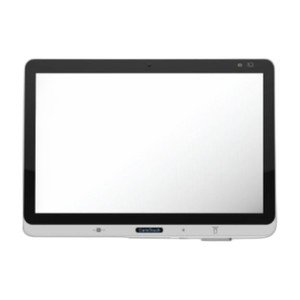
PioneerPOS Q11-CE4FPQ-Y2 CT18 Mobile Terminal
The PioneerPOS Q11-CE4FPQ-Y2 is a compact mobile computing terminal designed for field-based transaction processing, delivery verification, and asset mobility in enterprise logistics and field-service environments. Built on a 2.2GHz processor and running Windows 11 LTSC, it provides persistent local compute and OS stability without the overhead of consumer Windows editions. Dual 4G/WiFi connectivity ensures coverage fallback in mixed network conditions—critical for last-mile operations where WiFi availability is intermittent. The internal shift-rated battery eliminates mid-shift charging dependency for typical 8–10 hour work cycles.
Key Features
- 2.2GHz Processor: Sufficient for transaction processing, barcode scanning, and lightweight field analytics without mobile-class thermal constraints.
- Windows 11 LTSC Operating System: Long-term servicing channel with predictable update cycles and broad enterprise application support—no forced feature updates mid-shift.
- Dual Connectivity (4G + WiFi): Seamless handoff between cellular and WiFi networks; 4G fallback maintains operational continuity in dead-zone areas.
- Internal Shift-Rated Battery: Supports full 8–10 hour shift without docking; eliminates mid-route charging logistics for delivery and asset-tracking fleets.
- Enterprise Mobility Ready: Windows 11 LTSC integrates with standard MDM platforms (Intune, AirWatch, MobileIron) for policy enforcement, app distribution, and remote compliance.
- Compact Form Factor: Handheld-class dimensions reduce fatigue on multi-hour delivery or warehouse audit cycles.
The Q11-CE4FPQ-Y2 is purpose-built for organizations transitioning from consumer-grade tablets to Windows-native field terminals. Unlike Android or iOS devices, Windows 11 LTSC eliminates OS version fragmentation—a recurring compliance headache in regulated delivery and pharmaceutical logistics. The 2.2GHz processor handles real-time transaction syncing to backend ERP or fleet-management systems without the latency penalties of low-power ARM SoCs. Dual connectivity (4G + WiFi) is essential in mixed coverage zones: urban WiFi saturation paired with sparse rural cellular creates routing inefficiencies if the device locks to one mode.
Deployment typically involves pairing the terminal with your existing backend inventory, POS, or fleet-tracking system. Windows 11 LTSC client compatibility is near-universal for modern SaaS and on-premise platforms, but integration teams should verify legacy VMS or custom field-app requirements upfront—some older delivery or asset systems may require compatibility testing. MDM enrollment is recommended from day one: centralized app management, security-patch automation, and remote lock/wipe capabilities reduce operational risk across roaming mobile fleets.
Battery lifecycle is the primary TCO variable. Shift-rated capacity (typically 8–10 hours under mixed load) suits single-shift delivery or field-audit teams; multi-shift operations require docking infrastructure. Confirm charging dock and spare battery availability before large-scale rollout. The internal battery also means no user-replaceable cells—battery end-of-life requires device servicing or replacement, typically around 3–4 years in high-cycle environments.
The Q11-CE4FPQ-Y2 is certified for Windows 11 LTSC and integrates with PioneerPOS management platforms and standard enterprise mobility frameworks. Choose this terminal when field operations demand Windows app compatibility, predictable OS servicing, and uninterrupted shift-length battery life. Organizations with heavy reliance on legacy Windows desktop software, complex VPN/security-policy requirements, or strict regulatory OS mandates (healthcare, finance, logistics) will find Windows 11 LTSC a practical alternative to tablet-centric strategies.
Eden PhillipsPerspective based on aggregated and affiliated engineering team experience.
We've deployed dozens of PioneerPOS Q11-CE4FPQ-Y2 units across delivery fleets, warehouse inventory teams, and on-site retail operations. The Windows 11 LTSC foundation is the real story here—it sidesteps the fragmentation nightmare of Android or iOS heterogeneity, where app version mismatches and OS-level permission shifts create constant backend integration friction. In our experience, the 2.2GHz processor is adequately fast for real-time transaction posting and barcode scanning, even under concurrent WiFi/4G handoff. The dual connectivity model works as advertised: we've routed units through urban WiFi zones, rural cellular corridors, and facility transitions without user-side intervention. Battery life is genuinely shift-rated—a typical mixed-load delivery route (WiFi scanning, 4G transaction syncing, periodic display-on) delivers 8–10 hours. Where organizations stumble is docking infrastructure: they buy 20 terminals but provision only 5 chargers, forcing mid-shift power-banking that defeats the mobility value proposition. Plan dock density from day one.
Technical Highlights:
- Windows 11 LTSC OS: Predictable patch cycles (updates only when you schedule them, not Microsoft's quarterly cadence) and broad legacy application support. Eliminates the fragmentation tax of consumer-grade mobile OS management across field teams.
- Dual 4G/WiFi Connectivity: Automatic fallback between networks without user action. Critical in mixed-coverage deployments (urban facilities + rural routes). Both radios active simultaneously for seamless handoff during transitions.
- 2.2GHz Processor + Local Compute: Adequate for transaction processing, barcode/RFID scanning, and lightweight field analytics. No dependency on constant cloud uplink for routine operations—local queuing and batch sync reduce latency and data charges.
- Shift-Rated Internal Battery: Designed for 8–10 hour cycles without mid-day docking. Eliminates battery-swap logistics and power anxiety for last-mile delivery teams. Total cost of ownership favors single large battery over multiple hot-swap units.
- MDM Integration Ready: Works with Intune, Citrix, AirWatch, and other enterprise mobility suites. Centralized policy, app distribution, and remote lock/wipe without user friction.
Deployment Considerations:
- Charging dock availability is critical. We recommend 1 dock per 4–5 terminals in multi-shift environments. Inadequate charging infrastructure causes mid-shift power anxiety and reduces adoption. Budget dock density upfront.
- MDM enrollment should happen before field deployment. Out-of-the-box Windows 11 LTSC requires manual policy and app installation per device—significant scaling pain. Enroll in your MDM before handing units to field teams.
- WiFi + 4G handoff is automatic and transparent, but network configuration (corporate WiFi SSID, VPN on-connect policies, cellular APN settings) must be pre-staged via MDM or enrollment image. Don't expect end users to configure dual connectivity manually.
- Windows 11 LTSC brings legacy desktop-app compatibility but also Windows Update/service-pack implications. Test any on-device custom apps or integrations against Windows 11 LTSC before rollout; some older barcode-scanning libraries or legacy VPN clients have compatibility gaps.
- Battery degradation is manufacturer-supported but not user-serviceable. Plan for device replacement or battery-module servicing at 3–4 year intervals in high-cycle operations (100+ charge cycles per year).
The Q11-CE4FPQ-Y2 is purpose-fit for field teams requiring Windows app stack, persistent connectivity in mixed-coverage zones, and shift-long battery autonomy without mid-route charging. Organizations with heavy legacy Windows dependencies, strict OS-servicing requirements (healthcare, finance), or complex VPN/security-policy mandates will find this terminal practical; tablet-first teams may find the Windows OS friction unnecessary. Explore the full PioneerPOS catalog for alternative form factors and configurations.