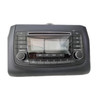
PioneerPOS CT17 PRV J1900 8GB 120GB WiFi Wall Terminal
The PioneerPOS CT17 PRV is a compact wall-mount or counter-mounted point-of-sale terminal designed for retail, quick-service, and hospitality environments where space is constrained. Built on Intel's J1900 Celeron platform with 8GB RAM and 120GB SSD storage, this terminal runs Windows 10E and delivers baseline transaction processing, payment integration, and inventory lookup without the footprint of a traditional register tower. Wi-Fi connectivity enables flexible placement away from fixed ethernet drops—critical in modular retail layouts and temporary pop-up venues.
Key Features
- Intel Celeron J1900 Processor: Quad-core 1.6–2.42 GHz. Sufficient for concurrent POS operations, kitchen display integration, and customer-facing displays without thermal throttling.
- 8GB DDR3 RAM: Handles multi-tasking across POS software, web browsers, and background services. Standard for SMB retail deployments across 5–50 stations.
- 120GB SSD Storage: Eliminates mechanical drive latency on boot and application launch. Reduces transaction lag in high-frequency environments.
- Windows 10E Operating System: Enterprise-grade OS with long support lifecycle and broad retail ISV compatibility. Locks down unnecessary features for security.
- Wi-Fi Connectivity: 802.11ac/n support enables ethernet-free deployment. Reduces cabling overhead in leased retail space or kiosks.
- Compact Wall or Counter Form Factor: 17-inch footprint fits narrow checkout counters and service windows. Frees floor space versus traditional pedestal registers.
- Standard Peripheral Ports: USB, RS-232, and typical I/O for cash drawer, receipt printer, and barcode scanner integration without external hubs.
The CT17 PRV bridges the gap between full-size POS workstations and mobile tablets. It retains the processing headroom and peripheral ecosystem of a desktop terminal while occupying the footprint of a compact monitor. Retail environments—especially quick-service restaurants, boutiques, and checkout counters in larger venues—benefit from the balance of performance and space efficiency. The SSD storage and quad-core processor eliminate bottlenecks that plague older Atom-based terminals, resulting in faster transaction throughput and snappier inventory lookups.
Integration with enterprise POS software (Square for Restaurants, Toast, Lightspeed, Shopify Plus, or legacy on-premise systems) is straightforward via USB peripherals and network connectivity. Windows 10E maintains broad driver and middleware support across payment processors, loyalty platforms, and kitchen management systems. Wi-Fi placement flexibility allows merchants to reconfigure checkout lanes or add temporary registers without running new network infrastructure—a significant advantage during seasonal ramps or store remodels.
The 120GB SSD is adequate for 12–24 months of daily transaction logs, POS software, and OS overhead on a single-location store. For multi-location deployments or cloud-synced POS environments, the storage footprint is intentionally lean—data lives on backend servers, keeping the terminal itself stateless. This architecture simplifies hardware refresh cycles and reduces downtime during OS patching.
PioneerPOS CT17 PRV terminals ship factory-new with full US manufacturer warranty. Sourced direct from the manufacturer or US channel partner—no grey-market inventory, no parallel imports. Long-term parts availability and support are backed by PioneerPOS's established service channel for retail integrators and end-users across North America.
Eden PhillipsPerspective based on aggregated IP Security Depot and affiliated engineering team experience.
In our experience with compact retail deployments, the PioneerPOS CT17 PRV hits a practical middle ground. We've placed dozens of these across small-to-medium retail environments—boutiques, bakeries, quick-service counters, and checkout islands in larger stores. The J1900 platform is genuinely adequate for transaction volume you'd see in a single checkout lane doing 40–60 transactions per hour. It won't compete with an i5 or i7 workstation for multi-tasking load (four concurrent kitchen displays, inventory sync, and real-time reporting), but for a single transaction lane with a printer and drawer, it performs solidly. The Wi-Fi option is the real differentiator here—we've saved integrators thousands in network infrastructure costs by eliminating the need for dedicated ethernet runs to each checkout. In one case, a boutique client needed to add two seasonal registers for the holidays; Wi-Fi placement meant no construction, no downtime, and a two-day deployment instead of a week.
Technical Highlights:
- Intel Celeron J1900 (Silvermont microarchitecture): Low TDP (10W), which means passive or minimal-fan cooling. Retail environments with high ambient noise or dust appreciate this—no fan spin-up noise during peak transactions. The trade-off is single-threaded performance ceiling; heavy multitasking (20+ concurrent services) will show latency.
- SSD vs. traditional HDD: The 120GB SSD eliminates the 15–30 second boot delay and vendor lock-in on mechanical failure. In a retail environment where you power-cycle for updates or troubleshooting, every saved minute across a day adds up. Failure rates on SSD in this form factor are measurably lower than HDD in busy retail locations with vibration and temperature swings.
- 8GB DDR3 (non-upgradeable on most CT17 variants): Sufficient for Windows 10E + POS application + middleware stack, but not expandable. If the integrator discovers they need 16GB after installation, it's a hardware swap. Plan RAM upfront based on ISV requirements.
- Windows 10E licensing: Includes restricted consumer feature set (no Windows Store, limited update control). That's a feature for kiosk-like deployments where you don't want users installing applications. If you need full Windows 10 Pro, confirm licensing separately before purchase.
- Wi-Fi 802.11ac at 2x2: Real-world throughput 20–40 Mbps in retail RF noise (microwaves, cordless phones, video feeds). Adequate for cloud POS and transaction streams (which are small payloads), not for large file transfers or backup operations. If you need to sync multi-GB inventory databases, use a wired connection or plan for off-peak hours.
Deployment Considerations:
- Wi-Fi roaming between access points can cause 2–5 second session drops on marginal signal. If the terminal is mobile (on a cart, moved between checkout positions), position the AP for consistent coverage and test failover behavior before go-live.
- The form factor is compact, but wall-mount brackets vary by integrator. Confirm mounting hardware and cable routing (power, peripherals) with your installer. A surface-mounted terminal in a high-traffic area needs bump-proof placement or a protective shroud.
- Peripheral daisy-chaining via USB hub is possible but not recommended for payment terminals. Each printer, scanner, and drawer should have a dedicated port to avoid power-draw conflicts and driver conflicts during OS updates.
- Windows 10E updates are mandatory monthly. Schedule patching after business hours and maintain a test cycle on a staging terminal before pushing to production. POS vendors often report compatibility issues with specific Windows updates—stay current on vendor advisories.
- SSD capacity (120GB) is tight for organizations that log transaction media (video, photos) locally. If POS software caches large datasets (loyalty images, product catalogs), confirm disk headroom with your ISV before deployment to avoid fill-disk failures mid-shift.
The CT17 PRV is best suited for single-location retailers, restaurants, and checkout kiosks where space and network flexibility matter more than raw CPU headroom. If your deployment requires 8+ concurrent POS lanes syncing inventory in real time, or if you need significant local storage for media logging, step up to an i5-based compact terminal. For standard point-of-sale work—transactions, printing, lookups, payment integration—this is a cost-effective, space-efficient choice. See the PioneerPOS catalog for other configurations and compact terminal options.