
Hanwha SMT-1031PV vs Speco Technologies PVM10: Specification Comparison
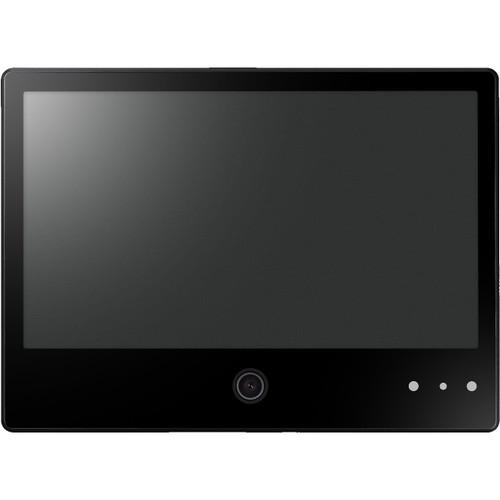
Both the Hanwha SMT-1031PV and Speco Technologies PVM10 are 10.1-inch IP public view monitors designed for retail, kiosk, and loss-prevention applications. Each integrates an onboard camera, dual-codec video compression, and PoE-based single-cable installation. This comparison evaluates the three axes most critical to a buyer in this category: power and installation flexibility, onboard analytics capability, and integration and compression support — drawing strictly from the provided specifications for each unit.
In This Guide
- Which unit offers more flexible power and installation options?
- What onboard analytics does each monitor provide, and how do they differ in application?
- How do the two units compare on compression, audio, and system integration capabilities?
- Which should you choose: the SMT-1031PV or the PVM10?
- Side-by-Side Specs
- FAQ
Which unit offers more flexible power and installation options?
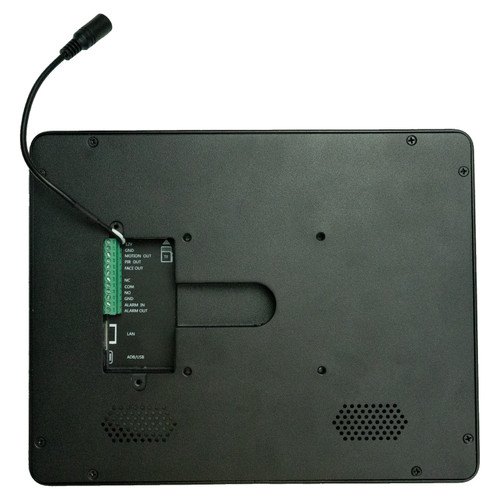
The SMT-1031PV is powered exclusively via PoE+ (802.3at) or DC 24V, meaning the installation path requires either an 802.3at-capable switch or a dedicated 24V DC supply. PoE+ delivers up to 30W, which is consistent with the demands of a display-plus-camera device. No Wi-Fi is listed in the specifications.
The PVM10 supports both PoE (802.3af/at — specified only as 'PoE') and DC 12V, and additionally lists Wi-Fi (Ethernet + Wi-Fi) as a connectivity option. The DC 12V input is a lower and more universally available voltage than the SMT-1031PV's DC 24V, broadening compatibility with standard 12V CCTV power infrastructure. Wi-Fi support, where the spec is taken at face value, eliminates the need for a wired data run entirely.
For installers working in environments where 802.3at switches are not in place or where cable runs are constrained, the PVM10's dual power inputs and Wi-Fi connectivity offer more deployment flexibility. The SMT-1031PV's power options are more narrow by the provided specs, though PoE+ is a well-supported standard in modern surveillance infrastructure.
What onboard analytics does each monitor provide, and how do they differ in application?
The SMT-1031PV specifies People Counting as its onboard analytic. This is a traffic-measurement function suited to retail footfall analysis, queue management, and occupancy monitoring. People Counting produces aggregate count data and is typically used for business intelligence and space utilization reporting.
The PVM10 specifies Face Detection as its onboard analytic. Face Detection identifies the presence of a human face in the camera's field of view and is more directly associated with deterrence verification and alerting use cases, as well as potential integration with access control or watchlist workflows depending on the VMS platform.
The two analytics serve meaningfully different operational purposes. A buyer whose primary goal is retail traffic metrics and conversion-rate analysis will find People Counting (SMT-1031PV) more directly applicable. A buyer focused on deterrence, incident verification, or identity-adjacent alerting will find Face Detection (PVM10) more relevant. Neither unit is specified as offering both analytics simultaneously.
How do the two units compare on compression, audio, and system integration capabilities?
Both monitors support H.265 and H.264 dual-codec compression, which is the current baseline for bandwidth-efficient IP video. The SMT-1031PV additionally lists MJPEG as a supported codec, providing a third option that can be useful for frame-accurate snapshot workflows or legacy VMS compatibility that does not support H.265/H.264 streams.
Audio support is specified only for the PVM10, which lists a built-in speaker with two-way capability. This enables live or pre-recorded deterrence messaging, staff announcements, and two-way communication with customers or subjects — functions commonly required in public view monitor deployments. The SMT-1031PV specifications do not mention any audio input or output capability.
On the integration side, the SMT-1031PV specifies ONVIF compliance (confirmed Yes) and lists a Programming Interface under Application, along with a documented security stack (secure boot, signed firmware, firmware encryption). The PVM10 specifications do not reference ONVIF compliance, a programming interface, or firmware security mechanisms. For deployments requiring open-standards VMS integration or hardened firmware, the SMT-1031PV's spec sheet is more explicit; the PVM10's ONVIF status is not determinable from the provided data.
Which should you choose: the SMT-1031PV or the PVM10?
Our take: The SMT-1031PV is the stronger choice when the deployment priority is ONVIF-based VMS integration, firmware security hardening, People Counting analytics, or a retail environment already running 802.3at PoE infrastructure. Concretely: the SMT-1031PV adds MJPEG as a third codec (the PVM10 is dual-codec only), explicitly confirms ONVIF compliance (PVM10's ONVIF status is unspecified), and documents a three-layer firmware security stack absent from the PVM10's spec sheet. The PVM10 is the stronger choice when installation flexibility is paramount — it supports Wi-Fi connectivity and DC 12V power (vs. the SMT-1031PV's DC 24V-only DC option), includes a built-in two-way speaker (not listed on the SMT-1031PV), and offers Face Detection analytics for deterrence-oriented deployments. The PVM10 also carries a stated 3-year warranty; no warranty term is provided for the SMT-1031PV. Platform qualifier: specify ONVIF requirements and confirm Wi-Fi network suitability before finalizing either unit.
Side-by-Side Comparison
Spec-for-spec, from manufacturer data.
| Specification | Hanwha SMT-1031PV | Speco Technologies PVM10 |
|---|---|---|
| Screen Size | 10.1" | 10.1" |
| Display Color Depth | 16.7M colors | — |
| Resolution | 1280x800 | — |
| Camera | 2MP, F1.6 | 2MP |
| Video Compression | H.265, H.264, MJPEG | H.265, H.264 |
| Power Input | PoE+ (802.3at), DC 24V | PoE, DC 12V |
| Connectivity | Ethernet | Ethernet, Wi-Fi |
| Onboard Analytics | People Counting | Face Detection |
| Audio | — | Built-in speaker, two-way |
| ONVIF | Yes | — |
| Operating Temp | 0°C ~ +40°C | — |
| Firmware Security | Secure boot, signed firmware, encryption | — |
| Housing Color | — | White |
| Weight | 1.98 lbs | 3.52 lbs |
| Warranty | — | 3 years |
| Programming Interface | Yes | — |
Frequently Asked Questions
Which should you choose: the SMT-1031PV or the PVM10?
The SMT-1031PV is the stronger choice when the deployment priority is ONVIF-based VMS integration, firmware security hardening, People Counting analytics, or a retail environment already running 802.3at PoE infrastructure. Concretely: the SMT-1031PV adds MJPEG as a third codec (the PVM10 is dual-codec only), explicitly confirms ONVIF compliance (PVM10's ONVIF status is unspecified), and documents a three-layer firmware security stack absent from the PVM10's spec sheet. The PVM10 is the stronger choice when installation flexibility is paramount — it supports Wi-Fi connectivity and DC 12V power (vs. the SMT-1031PV's DC 24V-only DC option), includes a built-in two-way speaker (not listed on the SMT-1031PV), and offers Face Detection analytics for deterrence-oriented deployments. The PVM10 also carries a stated 3-year warranty; no warranty term is provided for the SMT-1031PV. Platform qualifier: specify ONVIF requirements and confirm Wi-Fi network suitability before finalizing either unit.
Does either monitor work without running a new cable to the location?
The PVM10 lists Wi-Fi as a connectivity option in addition to PoE and DC 12V power, which means it can potentially operate over an existing wireless network without a new Ethernet run. The SMT-1031PV specifications list only PoE+ (802.3at) and DC 24V power; no Wi-Fi is mentioned, so a wired connection is required.
Which unit is better for a retail store that wants to measure how many customers walk by a display?
The SMT-1031PV specifies People Counting as its onboard analytic, which is the function directly suited to measuring pedestrian traffic past a kiosk or display. The PVM10 specifies Face Detection, which identifies faces but does not surface a People Counting function in the provided specifications. For footfall and traffic-measurement use cases, the SMT-1031PV is the spec-matched choice.
Can either monitor broadcast a live or recorded voice message to deter shoplifting?
The PVM10 specifies a built-in speaker with two-way audio capability, which supports live staff announcements or automated deterrence audio. The SMT-1031PV specifications do not list any speaker, microphone, or audio input/output, so audio deterrence capability cannot be confirmed for that unit based on the provided data.
Get a Second Opinion on Your Camera Choice
Share your site layout, coverage goals, and budget. Our team will validate the camera selection, flag anything we would change, and recommend products that match the use case.