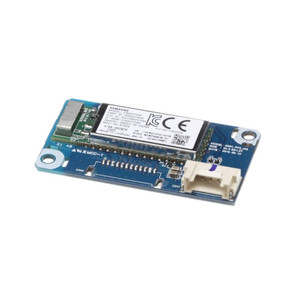
Code Blue SLNF0312 4G LTE Cellular Backup Module
Overview
The Code Blue SLNF0312 is a 4G LTE cellular module designed to provide redundant connectivity for surveillance systems and networked security installations where primary IP links fail or are unavailable. This unit bridges the gap between hardwired Ethernet and mobile network access, enabling remote monitoring and system access in environments where traditional broadband is unreliable or absent. The SLNF0312 combines PoE support with cellular failover capability, making it suitable for distributed camera networks, temporary deployments, and perimeter security at remote sites.
Key Features
- 4G LTE Connectivity: Mobile network backup ensures your surveillance system stays online even during primary internet outages. Particularly valuable for parking lots, rural properties, and temporary event coverage where wired connectivity is impractical.
- IP68 Environmental Rating: Sealed against dust and water immersion to 1.5m for 30 minutes. Deploy this unit outdoors or in damp environments (equipment rooms, cable trays, near hose-down areas) without weather enclosure overhead.
- PoE (802.3af) Power Input: Draws under 13W via standard PoE, eliminating the need for a separate 120V power outlet at the installation point. One CAT5/6 run handles both data and power to the module.
- Dual Power Support—120V AC and 12–24V DC: The unit evolved during production to accept 12–24V DC input alongside its 120V AC capability, giving you flexibility in power sourcing. DC input is especially useful in remote sites with solar or battery backup systems.
- Industrial Paging Amplifier Integration: Built-in support for paging amplifier functionality during operation allows the module to interface with site-wide audio systems. Useful in warehouse and facility-wide alert scenarios where cellular backup also means backup communication.
- Seamless Failover Logic: When primary Ethernet drops, the SLNF0312 automatically routes traffic over the cellular connection. Surveillance streams continue, enabling operators to maintain visibility even when site connectivity fails.
Integration and Compatibility
The SLNF0312 integrates with standard IP surveillance infrastructure. Its PoE input connects directly to PoE switches or injectors already in place at your NVR or central monitoring location. Configure the module through its management interface to designate which cameras or systems receive cellular backup priority—critical when bandwidth is limited.
Cellular carrier provisioning is a prerequisite; you'll need an active SIM card and a service plan from a mobile carrier supporting 4G LTE in your deployment region. Confirm carrier coverage at your site before final purchase.
What's in the Box
Package contents for the Code Blue SLNF0312 were not detailed in available documentation. Contact the manufacturer or your distributor for a definitive parts list and any included cables, connectors, or mounting hardware.
Frequently Asked Questions
Q: Does the SLNF0312 require a separate power supply, or will PoE be enough?
A: The module draws under 13W and operates on PoE (802.3af), so a standard PoE-enabled switch or injector is sufficient. No separate 120V outlet is required at the installation point, though 120V AC and 12–24V DC inputs are also supported for flexible power arrangements.
Q: What is the maximum data throughput on the 4G LTE connection?
A: Throughput varies by carrier, signal strength, and network congestion. LTE typically delivers 5–20 Mbps download in real-world conditions. For video streaming, plan on single-camera HD (1–2 Mbps) per device to avoid saturation.
Q: Can the SLNF0312 be mounted outdoors in weather?
A: Yes. The IP68 rating means it withstands dust and immersion up to 1.5m for 30 minutes. Outdoor mounting is safe, though direct sun exposure and extreme temperature swings may shorten component life—consider shade or a radiant barrier.
Q: Do I need to configure failover manually, or is it automatic?
A: The SLNF0312 includes automatic failover logic. When primary Ethernet drops, the unit routes traffic over cellular. Configuration through the management interface allows you to prioritize specific cameras or devices if bandwidth is limited.
Q: What SIM card types and carriers does the SLNF0312 support?
A: The module supports standard 4G LTE SIM cards from any major carrier offering coverage in your region. Confirm LTE availability at your site and activate a service plan before deployment.
Q: Is the paging amplifier a separate purchase, or built-in?
A: The SLNF0312 integrates paging amplifier functionality during operation. Specific audio configuration and external speaker requirements depend on your site's audio infrastructure. Consult the manufacturer for wiring diagrams and impedance specifications.
The SLNF0312 solves a real pain point: your surveillance system goes dark the moment your primary internet fails. I've walked sites where a single fiber cut or ISP outage leaves management and operators flying blind for hours. The Code Blue SLNF0312 builds in cellular redundancy—4G LTE failover means your critical camera feeds keep streaming even when your primary link is down. The IP68 rating and PoE power delivery make it installable almost anywhere on your network without extra infrastructure.
Technical Highlights:
- PoE (802.3af) at under 13W: No dedicated power run required—one CAT5/6 cable handles both data and power. Cuts installation labor and eliminates the need to find 120V at every remote location.
- IP68 Environmental Sealing: Rated for dust ingress and immersion to 1.5m for 30 minutes. Deploy in cable trays, roof equipment rooms, or outdoor enclosures without weather-resistant housing overhead.
- Dual DC/AC Input (12–24V DC + 120V AC): The SLNF0312 evolved during production to accept both power types. Rural or off-grid sites can run it from battery or solar DC systems; urban installs use existing 120V. That flexibility is rare and genuinely useful.
- Automatic Failover with Configuration Control: When primary Ethernet drops, the module routes over LTE without operator intervention. You can prioritize specific cameras or devices if cellular bandwidth is tight—no blind spots, just a conscious triage.
Deployment Considerations:
- Cellular coverage is a hard prerequisite. Confirm 4G LTE signal strength at your site before committing—dead zones will render the module useless as a backup link.
- Carrier SIM provisioning and service plan activation happen outside of hardware setup. Budget time for carrier provisioning and test failover before you need it in anger.
- LTE throughput is variable (5–20 Mbps real-world); don't expect to push multiple HD streams simultaneously over cellular. Single-camera monitoring or low-bandwidth alert feeds are the realistic use case.
The SLNF0312 is the right fit for distributed perimeter networks, rural storage yards, temporary event setups, and any site where a primary link failure triggers an unacceptable monitoring gap. If your business runs 24/7 operations and can't tolerate dark hours, this module earns its place in the architecture.