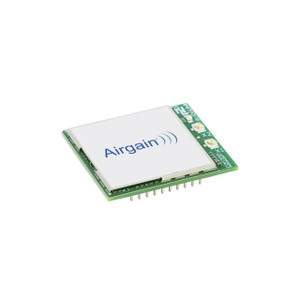
Code Blue SLNF0173 4G LTE Cellular Expansion Module
Overview
The Code Blue SLNF0173 is a 4G LTE cellular expansion module designed to add redundant connectivity to surveillance deployments where ethernet backhaul is unavailable or unreliable. Built with an IP68 rating, it tolerates harsh outdoor environments—dust, water spray, and prolonged moisture exposure—without degrading signal or requiring weatherproof enclosure upgrades. The module draws power via 24V DC, compatible with PoE 802.3af systems common in modern camera networks, eliminating the need for dedicated power circuits at remote sites.
Key Features
- 4G LTE Connectivity: Provides cellular backup when hardwired ethernet fails or is impractical—critical for sites where a single fiber cut or switch failure would otherwise black out video feed.
- IP68 Environmental Rating: Rated for complete submersion and direct water jets. Deploy in parking lot cabinets, rooftop equipment boxes, or coastal installations without worrying about moisture ingress damaging the modem.
- 24V DC / PoE 802.3af Power: Draws power from standard PoE infrastructure on your switch, eliminating the cost and installation labor of separate 110V outlets or external power supplies at the expansion point.
- Cellular Failover Architecture: Sits between your primary ethernet circuit and your VMS or recorder, automatically routing video traffic over 4G LTE if the wired connection drops—zero manual intervention required.
- Compact Module Form Factor: Integrates into existing camera or recorder cabinets without requiring dedicated floor space or additional mounting hardware beyond standard DIN rail or wall anchor points.
- Paging Amplifier Support: Handles audio paging output during production cycles, allowing dual-use in deployments that combine video surveillance with speaker-driven announcements or alerts.
Integration & Compatibility
The SLNF0173 integrates into IP-based surveillance backhaul architectures where ethernet alone cannot guarantee uptime. Pair it with NVRs, edge recorders, or central VMS instances to ensure continuous video availability even when primary network links fail. The 24V DC input accepts standard PoE injectors or PoE switch ports rated for 802.3af (minimum 13W), making retrofits straightforward on existing camera networks. Consult your carrier for LTE coverage maps and data plan requirements before deployment.
What's in the Box
Package contents not specified in available documentation. Contact the manufacturer or your systems integrator for a detailed packing list and any included connectors, cables, or mounting brackets specific to your installation site.
Frequently Asked Questions
Q: Does the SLNF0173 require a separate data plan?
A: Yes. The module is a modem only—you must provision a 4G LTE data plan through your carrier. Consult your mobile provider for plan costs and coverage in your deployment region.
Q: Can I use the SLNF0173 in coastal or marine environments?
A: The IP68 rating supports direct water exposure, but extended saltwater corrosion requires additional protective measures such as conformal coating or marine-grade enclosures. Verify with the manufacturer for marine-specific guidance.
Q: What is the typical LTE latency for video streaming?
A: Latency depends on carrier network congestion and signal strength; typically 50–150ms. This is acceptable for playback and archival but may introduce noticeable delay in live PTZ control or real-time analytics workflows.
Q: Is the SLNF0173 compatible with my existing PoE switch?
A: If your switch supports 802.3af with minimum 13W per port, yes. Verify your switch specifications and available power budget before installation.
Q: Does the SLNF0173 support failover to wired ethernet if both connections are available?
A: Yes—the module automatically routes over the primary ethernet connection and falls back to 4G LTE only when the wired link fails, preserving your data plan usage.
Q: What happens if both the ethernet and LTE links fail?
A: The SLNF0173 is a modem only and does not include local storage or buffering. Video is lost until one connection restores. If continuous local recording is required, pair the module with an edge recorder that has onboard storage.
The SLNF0173 solves a real problem in remote surveillance: when fiber cuts or switch failures take down your primary link, your recorder goes dark. I've seen this happen at rural quarries and highway service stations where there's only one carrier or one fiber path. The module's 4G LTE fallback keeps video flowing to your VMS during those outages, and the IP68 rating means you're not babying it in some climate-controlled cabinet—it lives outdoors in the weather.
Technical Highlights:
- IP68 Submersion Rating: Rated for complete immersion and high-pressure water jets, not just splash resistance. Your parking lot cabinet or rooftop box survives monsoon-level rain without corrosion or signal loss.
- 24V DC / 802.3af PoE Power Draw: Draws under 13W, so you don't overload an existing PoE switch. On a typical 96W per-port budget, you've still got room for a camera on the same uplink, reducing cable runs to remote sites.
- Automatic Failover Switching: When ethernet goes down, the module routes traffic to LTE in seconds—no manual intervention, no configuration change, no rebooting the recorder waiting for tech support to flip a switch at the main site.
Deployment Considerations:
- You must negotiate a 4G LTE data plan with your carrier before deployment. Data costs can accumulate quickly if you're archiving full bitrate video over cellular—plan for remote sites to record locally and sync archive footage only during off-peak hours.
- LTE latency (50–150ms typical) is fine for playback and evidence gathering, but live pan-tilt-zoom control or real-time motion alerts will feel sluggish. For sites that need interactive PTZ, keep PTZ commands on ethernet when possible.
The SLNF0173 is the right choice for sites where a single link failure would otherwise result in zero visibility—rural access gates, water treatment plants, pipeline monitoring stations. Pair it with an edge recorder that has local SSD or microSD storage, and you've built genuine uptime redundancy without adding a second fiber circuit.