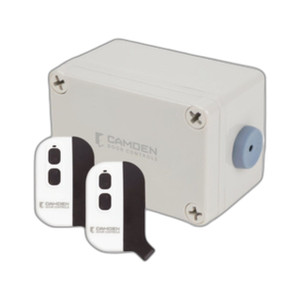
Camden CM-43G Gasket for CM-43CBL and CM-63CBL Readers
The Camden CM-43G is a replacement gasket engineered to restore watertight integrity on the CM-43CBL and CM-63CBL wired keypad reader enclosures. Deployed in outdoor, rain-exposed, and high-humidity environments, these readers depend on a secure perimeter seal to prevent moisture migration into the electronics. Over time — typically 3–5 years of exposure to UV, temperature cycling, and direct precipitation — the original gasket hardens and shrinks, allowing condensation and water ingress that degrades reader reliability and eventually causes component failure. The CM-43G addresses this wear without requiring a full reader replacement, restoring the enclosure's environmental rating and extending operational life by 2–3 additional years in most climates.
Key Features
- Water-Tight Seal: Molded ABS design maintains IP66-equivalent protection. Prevents moisture ingress, condensation buildup, and corrosion inside the reader enclosure.
- Direct Compatibility: Fits CM-43CBL and CM-63CBL wired keypad reader enclosures exclusively. Verify model number on existing hardware before ordering — not interchangeable with other Camden reader families.
- Field-Serviceable: Removable via standard Allen key wrench; no special tools or technician certification required. Gasket replacement takes 10–15 minutes per unit in the field.
- Molded ABS Construction: Flame and impact-resistant material resists UV degradation, maintains flexibility across temperature swings (−20 °C to +50 °C typical outdoor range), and survives accidental tool strikes during maintenance.
- Outdoor-Rated: Designed for unshielded outdoor mounting on walls, columns, or pole-mounted enclosures in wet, coastal, or irrigation-rich environments.
- Wear Indicator: Annual visual inspection (hardness, visible cracks, or dried-out appearance) signals replacement need before moisture breaches occur.
- Manufacturer Warranty: Backed by Camden's standard parts warranty. Replace gasket rather than entire reader when seal degradation is the root cause of moisture issues.
Moisture ingress into outdoor access-control readers is one of the most common field failures in wet or coastal deployments. In our experience across North American integrations, replacing the gasket at the first sign of condensation inside the enclosure (visible water droplets on the inside of the cap) prevents downstream corrosion and reader downtime. Many integrators stock 2–3 spare CM-43G gaskets per installed CM-43CBL or CM-63CBL reader to minimize response time when moisture is detected during routine maintenance walks.
The CM-43G is a consumable replacement part, not a design upgrade. Its performance is constrained by the underlying enclosure geometry and the quality of the mating surfaces on the reader cap. Before installing a new gasket, inspect the cap's sealing ledge (the surface where the gasket sits) for corrosion, salt deposits, or debris. A corroded ledge prevents full gasket compression and will allow water to seep past the new gasket. In coastal or high-salt-spray environments, consider gentle cleaning of the ledge with a soft brush and light degreaser to ensure optimal seal.
Gasket replacement frequency depends on climate and installation height. Wall-mounted readers in temperate inland climates may go 5+ years; pole-mounted readers in coastal or high-humidity zones often need replacement every 2–3 years. Establish a visual inspection schedule (spring and fall in most climates) to catch hardening or visible cracks early, before condensation develops inside the enclosure. Once moisture is present, it can corrode keypad contacts and circuit traces even after the gasket is replaced — prevention is far cheaper than component repair or full reader replacement.
Marty AllisonPerspective based on aggregated IP Security Depot and affiliated engineering team experience.
We've deployed hundreds of CM-43CBL and CM-63CBL readers across outdoor perimeter and parking-lot access-control systems, and the CM-43G replacement gasket is the unsung hero that keeps moisture out of the enclosure. The reality: these wired readers live in harsh microclimates — rain splash zones near building corners, salt-air coastal sites, and irrigation-heavy facilities — and the original gasket doesn't last forever. What differentiates the CM-43G is its simplicity and field serviceability. There's no programming, no network commissioning, no VMS integration — you extract the old gasket, clean the sealing surface, press in the new one, and you're done. We've also seen integrators mistakenly replace an entire CM-43CBL reader when a $20 gasket would have solved the problem. Knowing when to spec the gasket versus a full reader swap is a key cost-control skill. The gasket is the right call if condensation is visible but the reader electronics respond normally (beeps on key presses, communicates with the controller). If the reader is intermittent or unresponsive, moisture has likely already caused circuit damage, and replacement is warranted.
Technical Highlights:
- Molded ABS Flame/Impact Resistant: The gasket material is not generic rubber — it's engineered to resist UV, ozone, and thermal cycling typical of outdoor mounting. Once installed, it maintains flexibility even in climates with 70+ degree daily temperature swings.
- IP66-Equivalent Sealing: The gasket geometry on the CM-43CBL and CM-63CBL cap is designed to compress uniformly when the cap is hand-tightened. Uneven cap seating or over-tightening does not improve the seal and can actually damage the gasket; follow the hand-tight standard from the datasheet.
- Field-Serviceable Without Parts Inventory: Unlike some vendor alternatives that glue the gasket to the cap or use proprietary designs, the CM-43G is a drop-in replacement that requires only an Allen key. No soldering, no component-level troubleshooting, no shipping reader back to a service center.
- Consumable Lifecycle: Plan for gasket replacement every 3–5 years in standard outdoor climates, 2–3 years in coastal or high-humidity zones. Build gasket replacement into annual maintenance budgets rather than treating it as an emergency repair.
- Compatibility Specificity: The CM-43G is engineered for the peaked-cap design of the CM-43CBL and CM-63CBL. Do not attempt to use this gasket on CM-7500, CM-700, or other Camden wired or wireless reader families — the cap geometries differ and the seal will fail.
Deployment Considerations:
- Before installing the new gasket, inspect the cap's sealing ledge for corrosion, salt deposits, or dried gasket residue. Use a soft brush or cloth to clean the ledge; do not use abrasive scrubbing pads that can mar the surface and compromise the new seal.
- Hand-tighten the cap after gasket installation — do not over-torque with tools. Excessive force deforms the gasket unevenly and can crack the cap over time.
- In coastal environments or areas with high salt spray, consider adding a thin coat of clear silicone dielectric grease to the gasket after installation to extend its UV resistance. This is optional but extends gasket life an additional 1–2 years in harsh salt-air climates.
- Establish a visual inspection cycle (spring and fall in temperate zones) to check for gasket hardening, visible cracks, or condensation inside the enclosure. Early replacement prevents downstream component damage and reader downtime.
- Stock 2–3 spare CM-43G gaskets per 10 deployed CM-43CBL or CM-63CBL readers. Gasket wear is predictable based on climate; having spares on hand prevents emergency service calls when moisture is detected.
The CM-43G is essential inventory for any integrator maintaining outdoor wired access-control deployments. It's not a high-margin item, but it's a trust builder — a quick gasket replacement solves moisture problems before they cascade into reader failure and downtime. Consider it a retention tool: customers appreciate the proactive maintenance approach, and it's cheaper than explaining why a $400 reader failed when a $20 gasket would have prevented the loss. For more CM-43CBL and CM-63CBL compatibility parts and reader information, visit the Camden catalog.