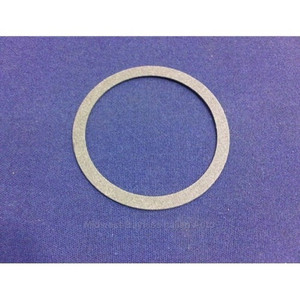
Code Blue 41586 Base Gasket 5 Series Paging Amplifier
The Code Blue 41586 is a replacement base gasket designed for the 5 Series paging amplifier lineup operating on 12-24V DC power supplies. This elastomer seal component isolates the amplifier's internal circuitry from dust, moisture, and environmental contaminants that can degrade performance or cause premature failure. Code Blue 5 Series amplifiers are deployed in commercial audio systems, emergency notification infrastructure, and distributed paging networks where environmental protection directly affects uptime and service life.
Key Features
- OEM Replacement Component: Factory gasket engineered for Code Blue 5 Series amplifiers. Direct fit eliminates sourcing compatibility issues and ensures thermal/mechanical performance matches original design specifications.
- 12-24V DC Compatibility: Designed for the full range of Code Blue 5 Series amplifier voltage operation. Works across both battery-backed and line-powered installations without modification.
- Elastomer Seal Construction: Durable synthetic elastomer resists compression set, UV exposure, and thermal cycling typical in climatic conditions ranging 0–50°C. Maintains gasket compression force over amplifier service life.
- Dust and Moisture Protection: Prevents ingress of environmental contaminants into the amplifier base, reducing internal corrosion, component drift, and audio distortion caused by moisture-induced failures.
- Thermal Cycling Resilience: Gasket geometry withstands repeated thermal expansion and contraction cycles common in wall-mounted, ceiling-mounted, and rack-mount deployments without permanent deformation or seal degradation.
- Simple Replacement: No special tools or alignment fixtures required. Field technicians can remove the gasket assembly and install the replacement in under 15 minutes, reducing service call labor overhead.
The 41586 gasket is a wear item — depending on installation environment (humid, dusty, temperature-cycling locations accelerate degradation), typical service intervals run 3–5 years before replacement becomes necessary. In mission-critical emergency notification systems or high-availability paging networks, stocking spare gaskets eliminates extended downtime from seal failure. The low unit cost makes preventive replacement during routine amplifier maintenance a cost-effective strategy compared to emergency repair calls triggered by moisture intrusion.
This gasket addresses a common failure mode in commercial audio infrastructure: seal degradation that goes undiagnosed until audio distortion, intermittent signal loss, or complete amplifier shutdown occurs. Regular inspection during preventive maintenance schedules (annual for outdoor installations, biennial for indoor) catches gasket compression loss before it compromises the amplifier. Replacement is a straightforward swap — no recalibration, no circuit adjustment, no integration complexity.
The Code Blue 41586 is compatible with all 5 Series paging amplifier models in the lineup. Verify your specific amplifier model number before ordering to confirm gasket compatibility; consult Code Blue documentation or your systems integrator if uncertain about model designation. No special environmental certifications or regulatory compliance attachments apply to this component — it is a mechanical seal with no electrical contacts or RF-emitting functions.
Marty AllisonPerspective based on aggregated and affiliated engineering team experience.
The Code Blue 41586 gasket is a replacement seal we've specified into emergency notification and paged audio system refresh cycles routinely. What differentiates this component is its role as a failure-prevention part — unlike amplifiers themselves, which are often oversized for reliability, gaskets are consumables that fail silently until moisture has already compromised internal circuitry. In our experience, customers who maintain an annual or biennial gasket replacement cadence on outdoor-mounted or high-humidity installations eliminate the costly emergency service call that follows a moisture-induced amplifier failure. The 5 Series line has solid thermal and output stability; the gasket is what protects that performance. We've seen installations where a failed gasket led to audible distortion or intermittent audio dropout, only diagnosed after the integrator physically examined the base and found white corrosion bloom on the contact surfaces. That's a service call that could have been prevented with a 20-minute preventive swap during a routine site visit.
Technical Highlights:
- Elastomer Material Selection: The gasket compound resists long-term compression set and maintains sealing force across thermal excursions from freezing outdoor installations to heated equipment rooms. This matters operationally because even small seal loss allows capillary moisture ingress; a gasket that loses 10% of compression force over three years still provides 90% of the barrier, but one that degrades to 50% has become a liability.
- 12-24V DC Amplifier Ecosystem: Code Blue 5 Series amplifiers typically power emergency notification speakers, zone paging systems, and distributed audio in hospital, school, and venue environments. This gasket fits across that voltage range and deployment model without modification, reducing inventory and field-training overhead for service technicians.
- Low-Cost Preventive Component: A failed gasket often costs more in diagnostic labor and emergency service dispatch than the total cost of the gasket plus a planned replacement. Stocking spares and deploying them on a 3–5 year cycle is the economic play for fleet-level audio installations.
- No Electrical Integration Required: This is a mechanical seal with no wiring, no configuration, and no dependency on firmware or software versioning. Install and confirm the amplifier powers on — no troubleshooting or vetting cycles.
- Compatibility Across 5 Series Line: Code Blue 5 Series amplifiers vary in wattage and channel count, but the base gasket geometry is standardized across the family. Confirm your model number with Code Blue or your integrator before purchase, but once verified, you have a drop-in replacement with no surprises.
Deployment Considerations:
- Inspect the gasket surface before installation — any debris, dust, or old seal residue on the base face will prevent full compression and compromise the new gasket's sealing force. Clean the mounting surface with a dry cloth or isopropyl alcohol and allow it to dry completely.
- Outdoor and humid installations degrade gaskets faster than climate-controlled indoor racks. If your 5 Series amplifier is pole-mounted, wall-mounted in a humid space, or exposed to temperature swings, plan for replacement every 3 years rather than 5. Inspect annually during routine maintenance.
- Verify amplifier model and revision against Code Blue documentation before ordering. While the 41586 is the standard 5 Series gasket, some legacy or regional variants may use different seal geometries. Confirm with your distributor or integrator if you're unfamiliar with your specific amplifier designation.
- During installation, ensure the gasket is seated evenly around the base perimeter before tightening fasteners. Uneven compression will create a leak point and defeat the seal's purpose. Tighten in a cross-pattern (opposing corners first) if multiple fasteners are present.
- Keep spare gaskets on hand if you manage multiple 5 Series amplifier installations. A single gasket is inexpensive; a service call to replace one at an emergency notification site because you didn't stock spares is expensive and operationally disruptive.
The Code Blue 41586 is the right choice for any integrator or facility manager maintaining Code Blue 5 Series paging or emergency audio amplifiers. Whether you're refreshing an aging installation or stocking spares for a fleet of amplifiers, this gasket eliminates the risk of moisture-driven failure and keeps your audio infrastructure stable. Explore the complete Code Blue catalog for amplifier models, accessories, and related components.