Axis 03037-001 D3110 Mk II Connectivity Hub
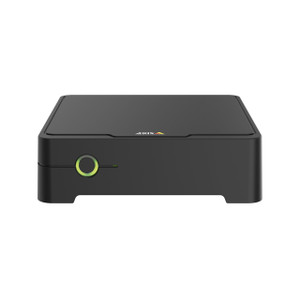
The Axis 03037-001 is a rack-mountable connectivity hub designed to bridge analog sensors, audio devices, and third-party equipment into networked surveillance infrastructure. Rather than replacing existing cameras or NVRs, this device extends system capability by ingesting discrete signals from door sensors, motion detectors, environmental monitors, and relay-controlled equipment—then correlating those inputs with video events and triggering alerts or actions across your surveillance workflow.
Key Features
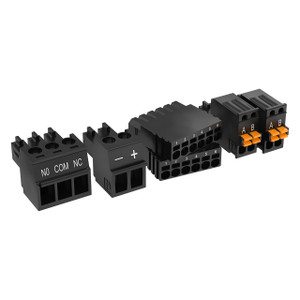
- Eight Supervised Configurable I/O Channels: Each input or output can be assigned logic rules—ground contact closure on a door sensor triggers an alarm relay, for example. Supervision means the hub monitors each channel for faults (open-circuit, short, tampering) and reports them to your VMS or alert system, reducing blind spots when wiring fails or devices disconnect.
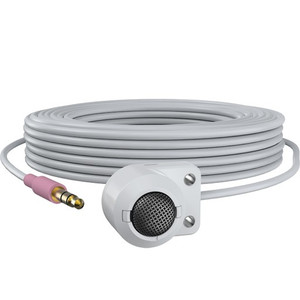
- Dual Audio Input, Single Audio Output: Connect external microphones for ambient sound monitoring or two-way communication endpoints. No separate audio interface card required; audio I/O is native to the hub.
- AXIS Audio Analytics Preinstalled: Detects critical sound events—glass breaking, shouting, alarms—without offloading processing to a separate appliance. Reduces server load and latency when alerting on acoustic triggers in retail, access control, or emergency response scenarios.
- Axis Edge Vault Cybersecurity Framework: Provides cryptographic device authentication, secure firmware updates, and tamper detection. Protects the hub itself from unauthorized configuration changes or firmware injection, critical when the device sits on your network perimeter or in untrusted locations.
- VAPIX®, MQTT, and SIP Protocol Support: Native VAPIX® compatibility means seamless integration with Axis IP cameras and NVRs. MQTT enables integration with third-party building automation or SIEM systems; SIP allows direct voice calls to the hub for two-way speaker announcements.
- Compact Rack-Mountable Form Factor: Mounts in a standard 19-inch rack (1U height). Centralizes audio and I/O processing in your server room or network closet, reducing field installation complexity and cable runs to remote sensors.
Integration and Deployment Context
The 03037-001 is most valuable in facilities with mixed analog and digital infrastructure. A warehouse automation site with legacy motion sensors on dock doors, for instance, can wire those sensors to the hub's I/O channels, then have the hub trigger NVR alarms or send MQTT messages to a warehouse management system when motion occurs. A retail chain can deploy one hub per location to centralize audio monitoring for loss prevention without upgrading to audio-capable cameras at every location.
Supervised I/O is particularly important in safety-critical applications: if a panic button wire is cut, the hub detects the open circuit and raises an alert rather than silently failing. AXIS Audio Analytics reduces false positives by filtering ambient noise and confirming actual threat events before alerting security staff, lowering alert fatigue in high-traffic environments.
Configuration occurs via web interface or programmatically through VAPIX®; once deployed, the hub requires minimal maintenance. Firmware updates ship through Axis' secure channel, ensuring patches deploy without manual intervention.
When to Choose a Different Approach
If your facility is newly deployed with all-IP architecture, dedicated IP audio cameras and edge-based analytics may eliminate the need for a separate hub. If you require only a single door sensor and relay output, a smaller, single-purpose contact closure relay may be more cost-effective. The D3110 Mk II justifies itself when you have 3 or more sensors, audio requirements, or a need for centralized event correlation across multiple sites.
Frequently Asked Questions
Q: Can the 03037-001 integrate with non-Axis cameras or NVRs?
A: Yes. MQTT and SIP support enable connectivity with third-party VMS systems, building automation platforms, and SIP-compatible endpoints. ONVIF compatibility is not explicitly listed in the evidence, so confirm with the manufacturer if ONVIF Profile T event publication is required for your VMS.
Q: What is the maximum cable run distance for the supervised I/O?
A: The evidence does not specify maximum loop resistance or cable distance limits. Consult the datasheet or contact the manufacturer for wiring guidelines in installations where sensor wiring exceeds 500 feet.
Q: Does AXIS Audio Analytics require an active internet connection?
A: No. Audio Analytics runs locally on the hub; no cloud connectivity is required. Events are logged to the device's local storage or sent to your NVR via your internal network.
Q: Is the 03037-001 compatible with legacy parallel relay output systems?
A: The hub's output channels are supervised; check the datasheet for relay load ratings and relay type (potential / changeover). Most legacy alarm systems work with standard dry-contact relays, but confirm your load current and voltage with the Axis specifications.
Q: Can I mount the 03037-001 outside the rack?
A: The hub is designed for 19-inch rack mounting. Wall or shelf mounting is not supported by the manufacturer's design; installation outside a rack frame may compromise cooling and accessibility.
Q: What power input does the hub require?
A: The evidence does not specify the power input voltage or wattage. Check the datasheet or contact the manufacturer for power supply requirements before ordering.
Ted PerryPerspective based on aggregated IP Security Depot and affiliated engineering team experience.
The Axis 03037-001 solves a genuine pain point in distributed surveillance: how to ingest event signals from legacy sensors, audio, and third-party equipment without rebuilding the entire system. The supervised I/O architecture is the differentiator here—each of the eight channels actively monitors for faults, so you know when a door sensor wire has been cut or a device has failed, rather than discovering the problem during an incident review.
Technical Highlights:
- Supervised I/O: Eight channels report not just state (open/closed) but line integrity. In access control or intrusion applications, this means you catch tampering or wiring failures in real time, not hours later.
- Dual Audio Input + AXIS Audio Analytics: Two microphone channels plus on-device sound event detection eliminate the need for separate audio processing appliances. Glass-break or shouting detection runs locally with minimal latency—relevant for retail loss prevention or facility emergency response where sub-second alerting matters.
- Axis Edge Vault: Cryptographic device identity and secure firmware updates reduce the attack surface if the hub is deployed on an untrusted network or in a remote location. This is table stakes for IoT-connected infrastructure in regulated environments (healthcare, finance, defense contractor facilities).
Deployment Considerations:
- The hub is centralized infrastructure—it lives in your server room or network closet. Sensor wiring runs from the field to the hub's I/O terminals. This simplifies wiring discipline (all signals in one place) but requires careful cable management if you have 20+ sensors feeding a single unit.
- VAPIX® native support is powerful if you're standardized on Axis cameras and recorders, but don't assume this hub will auto-discover or work out-of-the-box with competing brands. MQTT and SIP are the interoperability bridges; test integration with your target VMS or automation platform before full deployment.
Position the 03037-001 for warehouse automation sites with distributed motion or door sensors, retail chains consolidating audio monitoring per location, and facilities management teams needing centralized event correlation. Avoid this unit if you need remote (non-rack-mounted) deployment or if your sensor base is fewer than three discrete circuits.