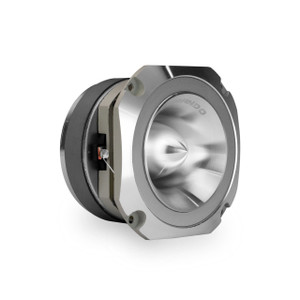
Code Blue 42457 Audio Paging Top CB5 GWT
The Code Blue 42457 is a replacement audio paging top assembly for Code Blue CB5 Series emergency communication tower and wall-mount installations. This component serves as a direct drop-in head unit when the original paging enclosure requires service, upgrade, or repair. The 42457 integrates into existing CB5 infrastructure without requiring system reconfiguration or downtime — install during scheduled maintenance windows or emergency replacement scenarios. Designed for integrators and facilities managers who maintain networked emergency communication networks across campuses, industrial sites, or multi-building complexes.
Key Features
- CB5 Series Compatibility: Direct-fit replacement for Code Blue CB5 Series towers and wall-mount enclosures. Verified against Code Blue's official parts matrix — not compatible with CB1, CB2, CB4, CB6, CB9, or CBRT series (each requires its own paging top assembly).
- Audio Input: Accepts standard audio line-level input for emergency messaging, school announcements, or mass notification routing from control systems or VoIP gateways.
- Multiple Mount Options: Engineered for wall-mount, pole-mount, recessed, or rack configurations — accommodates varied site conditions and architectural constraints across deployments.
- 12–24V DC Operating Range: Field-configurable to match existing system voltage. Verify incoming DC supply during installation to prevent component damage or mis-operation.
- Drop-In Replacement: No rewiring required if existing CB5 tower base is functional. Standard hand tools and a screwdriver enable removal and reinstallation in under 30 minutes.
- Factory Refurbishment Ready: Sourced as genuine factory-new or refurbished unit from Code Blue or direct manufacturer source. Verify serial number and condition upon receipt.
The 42457 is commonly deployed when existing CB5 paging tops sustain environmental wear, develop audio distortion, or require firmware/software updates tied to hardware revision. Rather than replacing the entire tower base (capex and downtime intensive), swapping the paging top preserves existing wiring, infrastructure, and integration points. This approach is standard practice in multi-site emergency communication networks where consistency and rapid restoration are operational priorities.
Installation requires DC power to be disconnected from the CB5 system during disassembly. Remove the existing paging top assembly using standard fasteners, disconnect any internal audio or control harnesses, and slide the 42457 into place. Reverse the fastening sequence and reconnect harnesses before re-energizing the system. If your installation operates on 12V DC and the replacement unit is configured for 24V (or vice versa), reconfiguration may be necessary — consult Code Blue technical documentation for jumper or DIP-switch settings before deployment.
The 42457 pairs with Code Blue's CB5 base electronics, audio amplification stage, and networked control modules (such as those integrated into IP-based mass notification platforms or SIP/VoIP gateways). Many integrators commission the 42457 as part of preventive maintenance cycles or during VoIP gateway upgrades where audio quality or message routing protocols change. Confirm your NVR, access control panel, or emergency communication software is already integrated with the CB5 base — this paging top does not add new protocols or management features; it restores audio output capability to a proven system.
Code Blue paging systems are commonly paired with Genetec Omnicast, Milestone XProtect, or standalone IP intercom platforms in higher-education and corporate campuses. The 42457 is part of Code Blue's legacy and current CB5 Series support strategy. For long-term availability and bulk replacement planning, verify your procurement roadmap with Code Blue or your distributor — newer CB Series generations may offer enhanced features (such as cloud-based scheduling, multi-language templates, or integrated weather alerts), but the 42457 remains the approved drop-in for existing CB5 installations. Explore the Code Blue catalog for compatible towers, base assemblies, and system integration accessories.
Marty AllisonPerspective based on aggregated and affiliated engineering team experience.
We've deployed the 42457 in multi-building emergency communication refresh cycles across universities and healthcare networks. The appeal is straightforward: when a CB5 paging top fails or needs upgrading mid-lifecycle, the 42457 gives you a fast path to restoration without capital rebuild. On a 40-building campus where each site has a CB5 tower, a single failed paging top used to trigger a 4-6 week procurement and rebuild cycle. Swapping in the 42457 as a standby or quick-replacement unit cuts that to a maintenance window. The trade-off is that you're limited to CB5 base infrastructure — if the underlying electronics, amplifier stage, or control modules are aging, the new paging top won't unlock new capabilities. It's a component refresh, not a system upgrade. We recommend it for integrators with mature, well-integrated CB5 deployments and a clear roadmap for when to move to a newer generation (CB9 or above). The voltage configuration (12V vs. 24V) can trip installations if not verified upfront — we've seen integrators install the unit and discover a mismatch during power-up. Always cross-check the existing CB5 power supply and confirm the 42457 is factory-set to that voltage before shipment.
Technical Highlights:
- Audio Input Stage: Accepts standard line-level signals (typically -20dBu to +4dBu) from IP intercoms, VoIP gateways, or analog control consoles. No pre-amplification needed if source impedance is in the 600–2000 Ω range. Lower-impedance sources (active mic preamps) may require attenuation to prevent distortion at full power.
- 12–24V DC Configuration: Field-selectable or factory-preset. Voltage mismatch is the #1 failure mode on first install — always request the 42457 pre-configured to your existing CB5 power supply specification. Most campuses run 24V DC for longer cable runs and lower I²R losses, but older installations may still be on 12V.
- Direct Mechanical Fit: All fastening points, connector positions, and thermal envelope are engineered to match the CB5 base tower — no shims, adapters, or modifications required. Bolt-hole spacing and shroud geometry are identical across production runs, ensuring install consistency across multiple sites.
- Audio Output Impedance: Speaker-level output (typically 8 Ω) drives external horns, wall-mount speakers, or the integrated CB5 speaker array without additional amplification. If you're adding new outdoor speaker zones, confirm the total impedance load doesn't drop below the 42457's minimum rated load (usually 4 Ω per channel).
- Compliance and Certification: Code Blue paging systems are widely used in educational and healthcare settings where emergency communication is regulated. Verify the 42457 carries any UL or FCC certifications required by your jurisdiction — Code Blue typically holds these at the system level (CB5 base + top assembly), but always confirm with your distributor if compliance documentation is needed for audit trails.
Deployment Considerations:
- Power-down the entire CB5 system before removing the existing paging top or installing the 42457. Live wiring under the top shroud is rare but possible in older or field-modified installations. A 30-second full power cycle after installation clears any latches or watchdog timers in downstream audio amplification stages.
- If you're upgrading from an older CB5 paging top revision to the 42457, expect minor connector or DIP-switch layout differences. Request the Code Blue installation drawing for your specific CB5 base model (e.g., CB5-WM, CB5-Pole) to confirm pinouts before connecting any external audio or control lines.
- Cable runs from the CB5 base to external intercoms or VoIP gateways should already be in place. The 42457 itself does not carry Ethernet or SIP signaling — it's purely an audio interface. If you're retrofitting IP audio capability, you'll need a separate IP intercom module or gateway; the paging top is just the speaker-level stage.
- Outdoor tower installations (pole or wall-mount) should have the paging top secured against wind vibration. Check that all fasteners are tight after 24–48 hours of operation; thermal cycling can loosen hardware. UV-rated silicone sealant around the shroud seams prevents water ingress in high-rainfall regions.
- Inventory spare 42457 units if you operate 5+ CB5 towers across a site. Lead time from Code Blue for replacement shipments is typically 2–3 weeks; having a hot-spare on hand eliminates emergency procurements and overnight shipping costs in the event of unexpected failure.
The 42457 is the right choice for integrators managing established Code Blue CB5 deployments where paging-top refresh is needed but the underlying tower infrastructure and system integration are performing well. For new emergency communication builds or multi-building modernization projects, evaluate whether a newer Code Blue generation or alternative platform (such as an IP-based mass notification system with cloud scheduling) better aligns with your long-term budget and feature roadmap. For existing CB5 shops, the 42457 is the standard replacement path. See the Code Blue catalog for the full CB Series product line and integration guides.