Ted PerryPerspective based on aggregated IP Security Depot and affiliated engineering team experience.
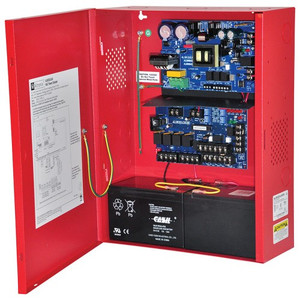
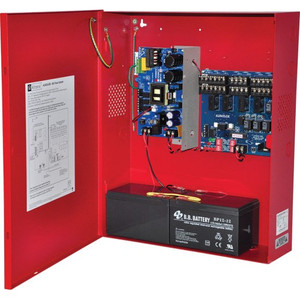
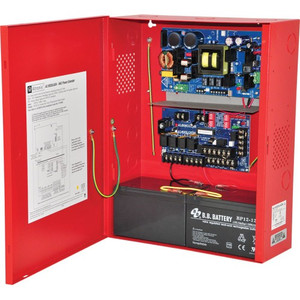
I've specified the Altronix AL802ADA220 on several NAC expansion projects, and it delivers reliable performance for distributed notification circuits in mid-to-large fire alarm systems. The 8A output capacity and support for ADA sync protocols make it a straightforward choice when you need to extend beyond the panel's on-board NAC capacity without overcomplicating the architecture.
Technical Highlights:
- Regulated 24VDC Output: The AL802ADA220 maintains voltage stability across all four supervised output circuits, preventing under-voltage issues that degrade strobe intensity or horn loudness in extended runs.
- 2-Wire Sync Flexibility: Support for Potter/Amseco, Gentex, System Sensor, and CooperWheelock protocols means you can expand with diverse appliance manufacturers without firmware headaches or additional interface modules.
- Troubleshooting Efficiency: Signal circuit trouble memory and selectable output loop supervision (to Input 1 or Input 2) cut diagnostic time when intermittent faults occur on remote NAC circuits.
Deployment Considerations:
- Verify your FACP supports direct connection to Class A or Class B inputs before installation—most modern panels do, but older legacy systems may require verification.
- Plan battery backup upfront: the unit's battery charging circuit accommodates up to 24AH total (two 12AH modules), so factor that into your UPS strategy and physical space planning.
- When selecting output configuration, map your appliance count to the 2.5A-per-circuit limit to avoid nuisance resets; four strobes plus one horn per circuit is a safe baseline.
If you're expanding NAC capacity on an existing fire alarm system, the AL802ADA220 is a cost-effective, diagnostics-rich choice. The multi-protocol sync support saves integration time, and the regulated output means you won't see performance degradation on extended notification circuits. Recommended for integrators who value troubleshooting transparency and backward compatibility.