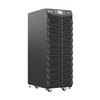
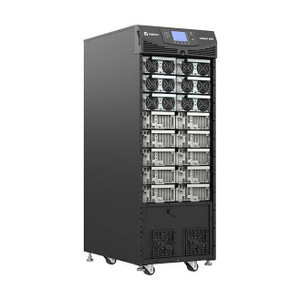
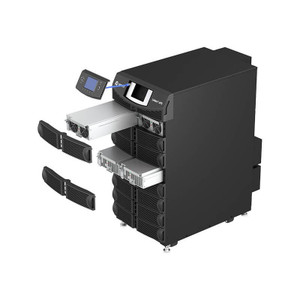
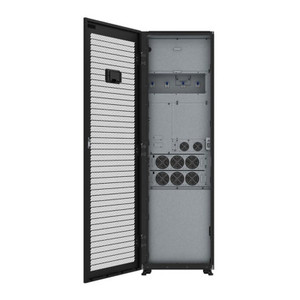
Vertiv AL3C0NHWGNNXLKB 15KVA/13.5KW Lithium-Ion UPS, 208VAC Input/208-120VAC Output
Overview
The Vertiv AL3C0NHWGNNXLKB is a 15KVA/13.5KW three-phase uninterruptible power supply designed for data centers, network closets, and critical infrastructure environments where conventional VRLA battery banks have become a maintenance liability. It accepts 208VAC line-to-line-to-ground (LLG) three-phase input and delivers conditioned 208/120VAC output with approximately 8 minutes of runtime — enough to execute a controlled shutdown or bridge a brief utility event. The defining feature here is the LiFePO₄ lithium-iron-phosphate battery chemistry, which separates this unit from lead-acid alternatives on both service life and thermal behavior.
If you are evaluating Vertiv power protection products for a facility refresh or a new build, this model sits in the high-density, reduced-footprint tier of the UPS and power protection line — appropriate for server rooms, edge deployments, and anywhere floor space and long battery replacement cycles are operational priorities.
Key Features
- LiFePO₄ Chemistry: Lithium-iron-phosphate is the safest lithium chemistry for enclosed spaces — it does not thermally run away the way NMC or NCA cells can. For a 15KVA unit installed in a locked server room with limited ventilation, that is a meaningful risk reduction compared to conventional lithium or even VRLA alternatives.
- Up to 10-Year Service Life: VRLA batteries typically need replacement every 3–5 years. A service life of up to 10 years on the AL3C0NHWGNNXLKB battery string means you can expect to avoid one or two full battery change-outs over the system's lifecycle — a real labor and procurement cost reduction, particularly in facilities with multiple UPS units.
- Advanced BMS with Cell-Level Monitoring: The battery management system monitors at the individual cell level, not just at the string or module level. This means degradation and imbalance get caught early, before a single weak cell pulls down runtime across the entire string — a common silent failure mode in UPS systems with coarser monitoring.
- Under 4.5-Hour Recharge: After a full discharge event, the system returns to full charge in under 4.5 hours. For facilities that experience multiple utility events in a single shift, fast recharge means you are not going into the next event with a partially depleted battery — a real operational difference from VRLA systems that can take 12–24 hours to recover.
- Better Performance at Higher Temperatures: VRLA batteries lose capacity and service life rapidly above 25°C. The lithium chemistry in this unit performs better at elevated temperatures, which matters in warmer server rooms, industrial environments, or any installation where HVAC is not perfectly maintained. You are not derated by a warm room the way a lead-acid system would be.
- ~46 lbs Per Battery String: A single battery string weighs approximately 46 lbs — significantly lighter than an equivalent VRLA string. This affects floor load calculations, installation labor, and the feasibility of elevated rack mounting. For retrofits into existing raised-floor environments with weight limits, this is a spec worth running through your structural calculation before ordering VRLA.
- Minimal Maintenance Profile: Lithium-iron-phosphate chemistry requires significantly less maintenance than VRLA — no electrolyte checks, no equalization cycles, and no capacity-test discharge intervals required at the same frequency. In managed service environments billing per truck roll, that reduction in scheduled maintenance touches the margin directly.
- Lower Total Cost of Ownership: The combination of extended service life, reduced maintenance, and faster recharge compounds over a 10-year horizon. The upfront unit cost is higher than a comparable VRLA system; the TCO calculation typically favors lithium once you account for two battery replacement cycles, disposal fees, and labor avoided.
- 5-Year Warranty (UPS + Batteries): The 5-year manufacturer warranty covers both the UPS electronics and the battery system — an important distinction, since many UPS warranties cover the electronics at full term but limit battery coverage to 1–2 years. Having both on the same 5-year term simplifies vendor management for facilities teams.
Integration and Compatibility
The AL3C0NHWGNNXLKB is configured for 208VAC three-phase LLG input, which aligns with standard North American commercial building power distribution at the 15KVA class. Output is 208/120VAC, serving both three-phase equipment and single-phase 120VAC branch circuits simultaneously. For facilities planning a full UPS accessories and management stack, confirm your upstream PDU or panelboard is provisioned for the input current draw at 15KVA. Pair with a compatible intelligent PDU downstream to get per-outlet metering and remote load management — particularly useful in colocation and edge data center deployments where remote hands access is limited.
Runtime of approximately 8 minutes at full 13.5KW load is calculated for the standard single-battery-string configuration. If your load profile is lighter — a partially populated server rack running 6–8KW rather than the rated 13.5KW — actual runtime will extend proportionally. Size your load against the rated capacity before specifying runtime expectations to end users or SLA documents.
Frequently Asked Questions
Q: What is the battery chemistry in the AL3C0NHWGNNXLKB, and why does it matter for a server room installation?
A: This unit uses LiFePO₄ (lithium-iron-phosphate) chemistry. Unlike NMC lithium cells, LiFePO₄ does not thermally run away under abuse conditions, making it significantly safer for enclosed, staffed, or climate-sensitive spaces. It also performs better at elevated temperatures — a direct operational advantage over VRLA batteries, which lose capacity and service life in warm rooms.
Q: How long does the AL3C0NHWGNNXLKB take to recharge after a full discharge?
A: Recharge time is under 4.5 hours from a full discharge to full capacity. This is substantially faster than VRLA alternatives, which can require 12–24 hours. In environments with intermittent utility events, the fast recharge cycle reduces your exposure window between events.
Q: What is the warranty coverage on the AL3C0NHWGNNXLKB?
A: The manufacturer warranty is 5 years, covering both the UPS electronics and the battery system. Confirm current warranty terms with your purchase documentation, as coverage details can vary by region or sales channel.
Q: How does the expected battery service life compare to traditional VRLA UPS batteries?
A: The AL3C0NHWGNNXLKB is rated for up to 10 years of battery service life. VRLA (lead-acid) batteries in comparable UPS systems typically require replacement every 3–5 years, meaning you would expect one to two full battery change-out cycles over the same period. The extended lithium service life reduces both procurement and labor costs over the system's lifetime.
Q: What does the advanced BMS with cell-level monitoring actually do in practice?
A: The battery management system monitors each individual cell rather than averaging across a string or module. This means a single degraded or imbalanced cell is detected early, before it silently reduces total runtime. It also supports proactive replacement decisions — you get a warning before a cell failure becomes a runtime surprise during an actual outage.
Q: How much does a single battery string weigh, and does that affect installation options?
A: Each battery string weighs approximately 46 lbs. For raised-floor environments with structural weight limits, or for installations requiring elevated rack placement, this is meaningfully lighter than equivalent VRLA strings. Verify floor load ratings before placement, but lithium chemistry generally expands your installation options compared to lead-acid.
The spec that stands out to me on the AL3C0NHWGNNXLKB is the combination of cell-level BMS monitoring with a rated service life up to 10 years — that pairing is the whole argument for lithium in a critical power application. You are not just buying longer battery life; you are buying visibility into the battery's health that VRLA cannot give you at the cell level.
Technical Highlights:
- LiFePO₄ Chemistry: Thermal stability is non-negotiable in enclosed machine rooms. LiFePO₄ chemistry eliminates the thermal runaway risk present in other lithium variants — meaningful when the UPS is in a locked comms room with no continuous monitoring.
- Sub-4.5-Hour Recharge: Full recharge in under 4.5 hours versus 12–24 hours for comparable VRLA systems. In colocation or healthcare environments where back-to-back utility events are possible during storm season, this matters operationally.
- ~46 lbs Per Battery String: At roughly 46 lbs per string, this is a lift two technicians can handle safely without mechanical assistance — relevant when you are replacing or installing in an elevated rack or above a raised floor cavity with limited clearance.
Deployment Considerations:
- The 8-minute runtime is specified at full 13.5KW load. Most real deployments run at 40–70% of rated capacity — verify your actual draw before committing this runtime figure to any SLA or shutdown script timing. A 7KW actual load will roughly double the bridge time.
- The 5-year warranty covers both the UPS and battery system, which simplifies contract management — but confirm warranty transfer terms if the unit is deployed in a leased facility that may change operators before the warranty expires.
This unit is a direct fit for edge data center nodes, healthcare imaging suites, and financial services branch infrastructure where battery replacement labor is expensive and downtime windows are narrow — situations where the TCO case for lithium closes quickly against the VRLA alternative.