Hikvision SRS Anticorrosive Wall Mounting Bracket
Overview
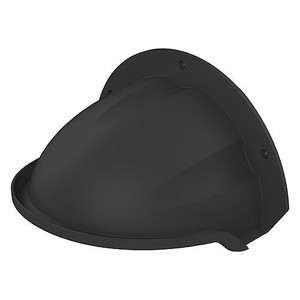
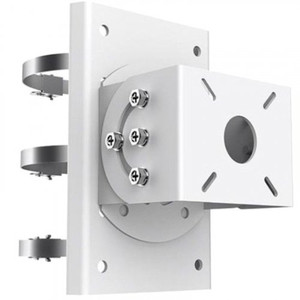
The Hikvision SRS is a purpose-built wall mounting bracket engineered specifically for outdoor surveillance camera deployments. Built from anticorrosive composite fiber rather than steel or aluminum, it resists rust and material degradation in high-moisture, salt-spray, and extreme-temperature environments where traditional metal mounts fail or require constant maintenance. The integrated sunshade manages direct sunlight exposure, reducing glare and optical artifacts in daytime video—a concrete factor if your deployment includes south- or west-facing building perimeters or highly reflective surfaces nearby.
This is an accessory bracket, not a universal quick-release mount. It is designed for compatibility with Hikvision IP cameras and similar form-factor surveillance devices. Verify your camera's mounting interface before purchase—compatibility depends on your specific camera model's bracket footprint and connection points.
Key Features
- Anticorrosive Composite Fiber Construction: Unlike steel mounts that rust or aluminum that oxidizes in salt spray or coastal environments, composite fiber resists corrosion indefinitely. Eliminates repainting, bracket replacement, or fastener seizing—realistic cost savings over a 5–10 year camera lifecycle in harsh outdoor settings.
- Integrated Sunshade: Built-in shade blocks direct sunlight from hitting the camera lens, which reduces lens flare, bloom, and glare artifacts in bright daylight. Improves image quality consistency across day/night cycles without requiring separate lens filters or external baffles.
- Weather-Resistant Design: Shields the camera from rain, wind, snow, and airborne debris. The enclosure reduces water pooling around the camera housing and minimizes wind-driven rain contact with connectors and seams—both factors that extend camera uptime and reduce moisture-related failures.
- Stable Load Support: The mounting surface must support a minimum load of 3x the combined weight of the camera and any attached accessories (lens extenders, PIR sensor, secondary IR illuminator, cable adapters). This safety margin ensures the bracket will not deflect, sag, or loosen under thermal expansion, vibration from wind, or accidental impact. Verify your wall surface and fastening method can handle this load before installation.
- Flat Wall Surface Requirement: Installation demands a solid, flat mounting surface—concrete, brick, or wood backing with appropriate anchor fasteners. Curved walls, corrugated metal siding, or heavily textured surfaces will reduce contact area and compromise stability. Use expanding anchors or lag bolts rated for the wall material.
- Field-Ready Deployment: The mount is designed for straightforward installation without special tools or extensive assembly. Quick field deployment reduces labor time—meaningful when you're installing across dozens of locations.
When to Choose This Model
Select the SRS if your deployment includes coastal environments, chemical processing facilities, or regions with high humidity and seasonal salt fog. Outdoor retail storefronts, building perimeters, and industrial perimeter fencing in corrosive climates are ideal use cases. The sunshade makes it especially useful for south-facing or high-glare installations where image clarity is critical.
If your installation is indoor, sheltered, or on a covered soffit with minimal moisture exposure, a standard steel or aluminum bracket will cost less and perform adequately. If you need articulating (pan/tilt) capability or quick-release functionality, consult a broader mounting bracket selection to evaluate alternative designs.
Installation Considerations
Confirm the wall surface can sustain the 3x safety load margin before anchoring. Use fasteners rated for the wall material (concrete anchors for masonry, lag bolts for wood, self-drilling screws for metal). Allow clearance behind the bracket for cable routing and connector access. The integrated sunshade will slightly extend the overall bracket footprint—measure available wall space to confirm fit, especially near rooflines or eaves where mounting height is constrained.
Compatibility Notes
This bracket is designed for Hikvision camera models within specific form-factor families. Mounting compatibility is not universal—verify the camera's bracket interface against the SRS connection points. Consult the camera's installation guide or contact technical support with your camera model number to confirm compatibility before purchase. The bracket does not include camera-specific adapter plates, so ensure your camera mounting pattern matches the SRS footprint directly.
Ted PerryPerspective based on aggregated IP Security Depot and affiliated engineering team experience.
I've specified the Hikvision SRS in salt-spray and coastal high-moisture environments where standard steel mounts corrode within 18–24 months and require replacement or heavy maintenance. The composite fiber construction on the SRS eliminates that cycle. The integrated sunshade is a practical detail—it reduces glare artifacts in high-reflectivity areas (retail storefronts, light-colored building facades, water-adjacent sites) without adding a separate external baffle or filter.
Technical Highlights:
- Anticorrosive Composite Fiber: Resists rust and oxidation indefinitely in salt spray, high humidity, and extreme temperature swings. No repainting or fastener seizing after year two or three—eliminates maintenance labor and bracket replacement cycles common with steel or bare aluminum.
- Integrated Sunshade: Reduces direct lens exposure to sunlight, cutting glare and bloom artifacts in daytime video. Particularly effective on south- and west-facing camera positions or near reflective surfaces (water, light-colored walls, metal siding).
- 3x Safety Load Margin: Bracket surface rated for 3x the combined weight of camera plus accessories. Ensures stability under thermal expansion, wind vibration, and ice/snow accumulation in cold climates—important in industrial and perimeter deployments exposed to weather stress.
Deployment Considerations:
- Verify wall surface can sustain the 3x safety load; weak anchoring negates the bracket's corrosion benefit. Use concrete anchors on masonry or lag bolts on wood—fastener quality is critical.
- Compatibility is camera-model-specific. Do not assume universal fit—confirm the SRS mounting interface matches your camera's bracket footprint before ordering. Hikvision does not supply adapter plates for cross-family compatibility.
- The sunshade extends the overall footprint slightly; confirm adequate wall clearance near rooflines, eaves, or overhead obstructions before installation.
Position the SRS for coastal retail, industrial perimeter, or high-glare outdoor surveillance where corrosion prevention and image clarity justify the material cost. Skip it for sheltered indoor, covered soffit, or low-moisture deployments—a standard steel bracket will serve those adequately at lower cost.
Frequently Asked Questions
Q: Is the Hikvision SRS compatible with all Hikvision outdoor cameras?
A: No. The SRS is designed for specific Hikvision camera models with compatible mounting interfaces. Verify your camera model against the bracket documentation or contact support with the camera model number before purchase. Hikvision does not provide adapter plates for cross-family mounting.
Q: Can the SRS be used indoors?
A: Yes, though it is engineered for outdoor environments. If your indoor installation has minimal moisture exposure, a standard steel or aluminum bracket will perform adequately at lower cost. Reserve the SRS for outdoor, high-humidity, or corrosive-atmosphere locations.
Q: What fasteners should I use to mount the SRS?
A: Use fasteners rated for your wall material: concrete/masonry anchors for concrete or brick, lag bolts for wood, self-drilling anchors for metal siding. The mounting surface must support a minimum 3x safety load relative to the camera and accessory weight. Consult a structural or installation engineer if the wall surface is uncertain.
Q: Does the sunshade reduce the camera's field of view?
A: The integrated sunshade is positioned to shade the lens from direct sunlight without blocking the camera's horizontal or vertical viewing angle. Mounting height and angle will determine the sunshade's effectiveness—position the bracket so the shade covers the lens during peak sun hours (south and west exposure).
Q: How does the composite fiber handle extreme temperatures?
A: Composite fiber resists thermal expansion and contraction better than metals, reducing stress on fasteners and mounting points across wide temperature swings (-40°C to +60°C or beyond, depending on material grade). Confirm the bracket's rated operating temperature against your climate before deployment.