Hanwha HT-SD-WM Wall Mount for Explosion-Proof Cameras
Overview
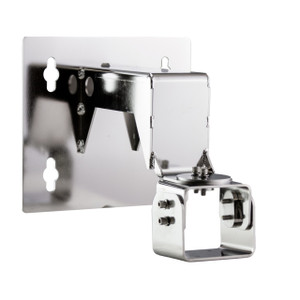
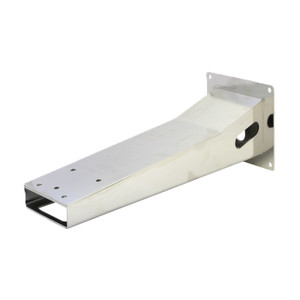
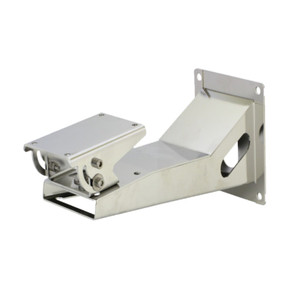
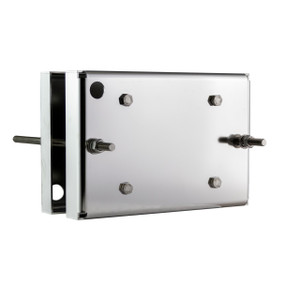
The Hanwha HT-SD-WM is a precision wall mount bracket engineered for explosion-proof camera installations in classified hazardous environments. Built from 316L stainless steel, this mount delivers the corrosion resistance and structural integrity needed for long-term deployment in petrochemical facilities, refineries, pharmaceutical plants, and other regulated industrial settings. The HT-SD-WM (often searched as HT SD WM) integrates directly with Hanwha's TNP-series explosion-proof cameras, ensuring certified, compliant mounting without compromise.
Key Features
- 316L Stainless Steel Construction: Resists corrosion in salt spray, chemical vapor, and humid environments far better than mild steel or powder-coated alternatives. This matters in coastal refineries or chemical plants where standard brackets rust within months. Expect 10+ years of reliable service without significant degradation.
- Dual Mounting Orientation: Supports both upright and inverted installation, so you can angle the camera down from a ceiling or up from a lower wall position without needing a second bracket type. Reduces inventory SKUs on multi-building deployments.
- Explosion-Proof Compatible: Purpose-designed for TNP-X6322EPT3-Z and TNP-Q6232EPT3-Z cameras. Mounting geometry and stress load calculations are certified for classified locations — critical for ATEX, UL, and IECEx compliance. Do not use non-certified mounts on explosion-proof cameras; you'll void certification and create liability.
- All-Weather Durability: Rated for indoor and outdoor deployment without additional protective enclosures. No special covers or weatherproofing hardware needed beyond what's standard for the mounted camera.
- Compact Footprint: Wall-mount design does not require conduit runs or post installation; minimal structural reinforcement needed on standard concrete or steel surfaces.
- Field Serviceability: Stainless steel fasteners and straightforward mechanical design allow bracket removal and camera reorientation without specialized tools in the field.
Integration & Compatibility
The HT-SD-WM mounts exclusively to Hanwha TNP-series explosion-proof cameras. Before specifying, confirm your camera model matches the compatible list. If you are deploying a mix of IP cameras across hazardous and non-hazardous zones, pair explosion-proof models with this bracket only in classified areas; standard brackets suffice elsewhere and reduce per-unit cost.
Installation should follow Hanwha's certified mounting procedure and your site's classified-location electrical safety requirements. Consult your system integrator or local AHJ if you are unfamiliar with hazardous area installation standards.
Deployment Scenarios
Ideal for fixed-position surveillance in hazardous industrial environments where cameras must be securely mounted on building exteriors, equipment housings, or interior walls exposed to corrosive atmospheres. Common applications include gas metering stations, pump rooms, flammable storage areas, and processing tanks where camera repositioning is infrequent and regulatory compliance is non-negotiable.
When to Choose a Different Accessory
If you are deploying explosion-proof cameras in indoor, non-classified labs or offices, a standard aluminum or plastic mount will work and cost less. If your cameras require panning or tilting (PTZ), a heavier-duty pedestal or geared mount may be necessary—consult the camera's load rating documentation. The HT-SD-WM is a fixed wall bracket; it does not support motorized pan-tilt heads.
Frequently Asked Questions
Q: Is the HT-SD-WM certified for ATEX Zone 1 or Zone 2 installations?
A: The mount itself is designed for use with certified explosion-proof cameras in classified locations. Consult your camera's certification documentation and local authority having jurisdiction (AHJ) to confirm zone compliance for your specific installation.
Q: Can I use the HT-SD-WM with non-Hanwha explosion-proof cameras?
A: No. The HT-SD-WM is engineered specifically for TNP-X6322EPT3-Z and TNP-Q6232EPT3-Z cameras. Using it with other brands or models may void the certification and create a safety hazard. Always verify model compatibility before purchase.
Q: What fasteners are included with the bracket?
A: Consult the product datasheet for a detailed list of fasteners and hardware. Stainless steel bolts and anchors are standard; however, always verify your site's structural requirements and local electrical code before installation.
Q: Can I mount the HT-SD-WM outdoors in a coastal environment?
A: Yes. The 316L stainless steel composition is specifically chosen for salt-spray and corrosive-atmosphere resistance. It is well-suited for coastal installations. Rinse the bracket periodically with fresh water if exposed to direct salt spray for extended periods.
Q: How do I orient the bracket for an inverted (upside-down) installation?
A: The HT-SD-WM supports both upright and inverted mounting. Refer to the installation guide in the product datasheet for orientation diagrams and fastening requirements. Ensure the camera's cable entry points are accessible after mounting.
Q: Does the HT-SD-WM require any additional support structure or bracing?
A: Load-bearing capacity depends on the mounted camera's weight and the wall surface material (concrete, steel, etc.). Consult the datasheet for weight specifications and recommended anchoring methods. Reinforce with appropriate wall anchors or structural fasteners if your wall surface cannot safely support the load.
James EverettPerspective based on aggregated IP Security Depot and affiliated engineering team experience.
The Hanwha HT-SD-WM is a straightforward, well-engineered accessory for a specific job: mounting explosion-proof cameras on walls in hazardous industrial environments where corrosion and regulatory compliance are the real constraints. The 316L stainless steel specification is not marketing hype—it's a materials choice that has direct impact on maintenance and replacement costs over a 5-10 year lifecycle in aggressive environments.
Technical Highlights:
- 316L Stainless Steel: Delivers superior corrosion resistance compared to Type 304 stainless or painted carbon steel. In salt-spray or chemical vapor environments, this translates to zero visible rust and structural integrity maintained over a decade. On shorter deployments (2-3 years) in mild indoor settings, the material premium is wasted; standard brackets suffice.
- Dual Mounting Orientation: Flexibility to mount upright or inverted simplifies site planning and reduces bracket inventory. On larger multi-building refinery or pharmaceutical deployments with dozens of explosion-proof cameras, this cuts SKU count and logistical overhead.
- Certified for TNP-Series Only: The specificity matters. Explosion-proof cameras operate under ATEX, UL, or IECEx certification; the bracket geometry and load calculations are part of that certification package. Mixing certified cameras with uncertified or incompatible brackets voids the entire safety approval and opens liability. Always cross-check model numbers before ordering.
Deployment Considerations:
- Confirm your wall or structural surface can anchor the bracket securely. Concrete, steel, and reinforced masonry are typical; soft drywall or thin sheet metal require additional bracing or post installation.
- The HT-SD-WM is a passive mechanical mount—it does not contain electronics, firmware, or firmware vulnerabilities. Zero cybersecurity surface. This is an advantage in high-security classified installations where every component must be auditable.
- Installation in a classified hazardous location must follow local electrical codes and approved procedures. If your team has no experience with ATEX or UL classified-location wiring, engage a certified industrial integrator for the mount and camera installation.
The HT-SD-WM is the right choice for fixed-wall surveillance in certified explosion-proof deployments where corrosion resistance and regulatory compliance are mandatory. Skip it if you need pan-tilt functionality, motorized repositioning, or if your environment is non-classified indoor space. In coastal petrochemical facilities, gas metering stations, and flammable-storage areas, it earns its material cost through longevity and zero maintenance headaches.