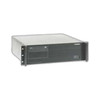
Geovision 94-NR31T-083 8-Channel 1TB IP NVR
Overview
The Geovision 94-NR31T-083 is an 8-channel IP network video recorder with 1TB of built-in HDD storage, packaged in a 3U rackmount chassis. It's purpose-built for small-to-midsize commercial surveillance deployments where you need a compact, self-contained recording appliance without external storage arrays. The integrated 1TB drive handles continuous recording from up to eight IP cameras at standard resolution and frame rates — sufficient for typical office, retail, or light industrial environments running 24/7 or near-24/7 schedules.
Zero-bay design means no expansion slots for additional drives; the 1TB capacity is fixed. This simplifies procurement and installation but eliminates on-site scalability. If your retention window or camera count will grow, this model locks you into replacement rather than upgrade.
Compatibility
The 94-NR31T-083 accepts standard IP cameras across ONVIF-compliant vendors — Geovision branded cameras integrate natively, but third-party cameras using RTSP or ONVIF protocols will function as well. Verify codec support (H.264, H.265, MJPEG) and bandwidth consumption with your camera models before deployment; undersized storage or network throughput will degrade recording reliability.
Fits standard 19-inch rackmounts with 3U vertical depth. Confirm your rack has sufficient power delivery (typical requirements 120–240V AC input) and network connectivity (standard RJ-45 Gigabit Ethernet). No PoE injection built-in; IP cameras must be powered separately or through external PoE switches.
Installation Notes
Mount in a secure, climate-controlled rack environment — avoid direct sunlight, dust, and temperature extremes that degrade HDD lifespan. Ensure adequate airflow around the chassis for passive or active cooling. Connect all camera feeds to the network backbone upstream of the NVR to avoid bottleneck; gigabit switching is strongly recommended for eight concurrent camera streams.
Configure remote access, user authentication, and alarm notifications immediately after deployment. Default credentials must be changed to prevent unauthorized access.