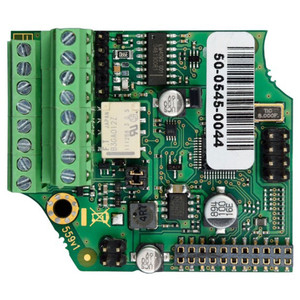
2N IP Force 2.0 Dual RFID Reader 03356-001
The 2N 03356-001 2N IP Force 2.0 is a dual-frequency RFID reader engineered for modern IP-based access control and identity verification in security-critical environments. This network-attached intercom integrates advanced Seos-compatible credential technology with industry-standard Wiegand protocol support, enabling seamless deployment in both legacy and contemporary access control architectures. The dual RFID read capability ensures broad credential compatibility while maintaining enterprise-grade security and centralized management.
Key Features
- Dual-Frequency RFID Technology – Supports multiple RFID frequencies for broad credential compatibility across different card types and standards
- Seos-Compatible Design – Native support for Seos credential ecosystem with advanced encryption and secure credential issuance
- Wiegand Protocol Output – Direct integration with traditional access control panels and legacy reader systems
- Multi-Format Card Support – Compatible with 03364-001 and 03367-001 reader modules for flexible deployment configurations
- IP-Native Architecture – Network-attached design for centralized credential verification and remote management
- Dual Read Capability – Simultaneous dual-frequency operation for enhanced credential recognition
Technical Highlights
The 03356-001 operates as both an RFID reader and IP intercom, combining two critical access control functions in a single device. Its dual-frequency architecture eliminates the need for separate readers, reducing infrastructure costs while maintaining full compatibility with existing Wiegand-based systems. The Seos-compatible design provides modern encryption standards essential for organizations migrating from legacy card formats to secure credential ecosystems.
Network integration enables real-time credential verification, audit logging, and remote configuration changes without physical site visits. The reader's multi-format support allows organizations to standardize on mixed credential environments during transition periods, supporting both older and newer card technologies simultaneously.
Applications
Ideal for corporate campuses, government facilities, healthcare institutions, and high-security environments requiring standardized credential handling. The 2N IP Force 2.0 suits organizations upgrading access control infrastructure while maintaining backward compatibility with existing Wiegand investments. Particularly valuable for facilities managing multiple credential types or planning phased migrations to modern Seos-based systems.
Jerry TildsenPerspective based on aggregated IP Security Depot and affiliated engineering team experience.
The dual RFID read architecture addresses a critical enterprise need: credential format flexibility without hardware redundancy. Organizations often struggle with mixed credential environments during system upgrades. This reader eliminates that pain point by supporting multiple frequencies simultaneously.
The Wiegand interface ensures this modern device works within existing infrastructure, reducing deployment friction and total cost of ownership. For security teams evaluating IP-native access solutions, the 03356-001 represents a practical bridge between legacy and next-generation systems.